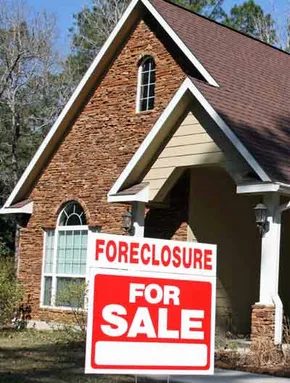
Owning a house was supposed to be the ultimate win. Instead, for hundreds of thousands of families, it is turning into a financial trap. Foreclosure isn’t just a buzzword; it is the legal mechanism lenders use to seize your property when you stop paying. They sell it off to get their money back. It starts with one missed payment. Then another. Then the clock starts ticking on your equity.
The scale of this mess is staggering. In 2008, the Mortgage Bankers Association (MBA) flagged a record-breaking crisis. More than 900,000 households were staring down the barrel of foreclosure. That is a 71 percent jump from the previous year. Roughly 2 percent of all mortgages in the US were in default. This is the highest delinquency rate the MBA has seen in 36 years.
Does this keep you awake at night? It should. Or maybe you are just paralyzed. You might think you are immune. You probably believe the crisis was caused by reckless borrowers who bought homes they couldn’t afford. But whether you are terrified or arrogant, the question remains the same: why are these people losing their homes?
For a long time, the easy answer was subprime mortgages. These loans often lure buyers with low introductory rates. Then, a few years later, the rate resets to a sky-high number. The people getting these loans usually have low credit scores. They often lack the cash reserves to handle that sudden payment shock.
But is it just subprime loans? In late 2007, subprime mortgages triggered 42 percent of new foreclosures. That is a huge chunk. But look at the broader picture. Foreclosure rates are climbing across the board.
In 2007, foreclosures for both subprime and prime mortgages doubled. Subprime rates jumped from 2.7 percent to 5.29 percent. Prime mortgages, traditionally considered safe, saw their foreclosure rate leap from 0.41 percent to 1.06 percent.
If prime borrowers are getting squeezed too, something else is going on. Is it falling home values wiping out equity? A general economic depression? Personal tragedies like divorce or death?
The number one reason for loss of home due to foreclosure varies by state and region. We are only scratching the surface here. We need to dig into the economic theories driving this distressed market. Next, we will look closely at how subprime mortgages fit into the bigger puzzle.
Foreclosure Factors: Subprime Mortgages or Home Values?

Homeowners who relied on subprime mortgages in Massachusetts faced foreclosure nearly 20 percent of the time. That figure is six times higher than for those with prime loans. The math suggests a simple fix: ban subprime lending. Stop the bad loans, stop the foreclosures.
The federal government agreed. In March 2008, Treasury Secretary Henry Paulson rolled out a financial reform plan. The goal? Stricter bank regulations and tighter limits on risky mortgages. The plan proposed a federal oversight committee to monitor mortgage origination. The intent was clear. Prevent people from getting stuck in loans they couldn’t afford in the first place.
It sounded logical. It wasn’t the whole story.
A 2007 study by the Federal Reserve Bank of Boston pointed to a different culprit: home values. The data showed that many borrowers who defaulted on subprime loans had actually started with prime mortgages. They weren’t bad borrowers from day one. They were victims of equity loss.
The study found a stark correlation. Homeowners who saw their property value drop by 20 percent or more were 14 times more likely to enter foreclosure than those whose homes appreciated by 20 percent. The Boston Fed attributed the spike in Massachusetts foreclosures in 2006 and 2007 to a decline in prices that began in 2005.
The Equity Trap
Subprime lending played a role. But the driving force wasn’t an outrageous payment reset. It was the loss of equity. When the value of a home falls below the loan balance, the homeowner is underwater.
A person in a subprime mortgage is usually cash-poor. The house is often their only significant asset. With low house value, they have nothing to bargain with. They can’t refinance. They can’t sell. They’re trapped.
Subprime loans didn’t necessarily create bad mortgages. They created homeowners who couldn’t afford for the value of their home to drop.
But which came first? Foreclosures or dropping values? The Office of Federal Housing Enterprise Oversight (OFHEO) says it’s a feedback loop. Their 2007 study confirmed a high correlation between falling prices and rising defaults.
Lower prices drive foreclosures because homeowners walk away when their equity vanishes. But foreclosures also drive lower prices. An oversupply of houses hits the market. More supply. Less demand. Prices drop further.
The California Connection
California has the highest rate of subprime mortgages in the country. It’s also suffering from an oversupply of homes due to a popped housing bubble.
During the boom, investors moved in. They built houses while values were at historic highs. Now, values are crashing. Those optimistic investors can’t sell. They can’t make the reset payment on their adjustable-rate mortgages. They walk away.
Will federal plans help? It’s hard to say.
Tightening subprime lending standards might trigger a vicious cycle. If fewer people get approved, fewer homes sell. Values drop. Applicants trying to refinance a subprime loan may not qualify under new rules. They’re left with an unaffordable loan and possible foreclosure. Prices continue to fall as more foreclosed homes hit the market.
Some high-foreclosure areas don’t even have many subprime mortgages. Economic factors play a bigger role than loan type.
Economic and Personal Factors in Foreclosure

Looking at the Midwest, specifically Ohio and Michigan, paints a confusing picture if you only focus on bad loans. These states were crushed by the foreclosure crisis, but they didn’t actually have a disproportionately high number of subprime mortgages compared to other regions. The real culprit there was job loss.
Since 2001, Michigan has seen over 340,000 jobs vanish. Ohio lost about 200,000. That’s a massive hit to local economic performance. It proves that weak local economies are just as dangerous as risky mortgages. When people stop earning, homes stop being paid for.
The Real Data Behind Foreclosure Causes
Countrywide Financial, which was the biggest mortgage lender in the US at the time, looked into this. Their 2007 report covered about 80% of all foreclosures. They found that curtailment of income was the main reason in 58% of cases. That number dwarfs everything else.
Compare that to other reasons people lost their homes:
- Illness or medical issues accounted for just 13%.
- Divorce was responsible for 8%.
- Inability to sell the house was only 6%.
It is surprising that payment adjustments on mortgages were cited as the reason in just 1.4% of cases. You would think adjustable-rate mortgages would be higher on this list. If subprime loans with resetting rates were the top cause, we’d see higher numbers here. But remember, Countrywide’s data stopped in July 2007. The worst of the rate resets hadn’t happened yet.
We should also take this data with a grain of salt. Countrywide was under federal investigation for inaccuracies in its loan documents at the time. So the numbers might not be perfect.
Traditional Personal Triggers
Even with bad data, personal issues remain a constant driver of foreclosure. These happen regardless of subprime rates or housing values. Here is what actually breaks the chain of payments.
Job Loss and Income Drops
Losing your job is the most obvious way to stop paying. Countrywide’s stats confirm this. If your income stops, you can’t pay the bills.
You can actually use economic metrics to predict where foreclosures are likely. Look at job growth rates and unemployment figures. Markets with low job growth see more foreclosures. It’s a direct link.
Relocation and Job Transfers
Sometimes you don’t lose your job. You just get moved. A company might ask you to transfer to another state immediately.
This creates a mess. You might not have time to sell your house. Or you might leave your family behind so the kids can finish the school year. Now you are paying for two homes. The second payment drains your cash. The first one starts slipping.
Divorce and Split Finances
Divorce is expensive. It is also messy. When couples split, figuring out who pays the mortgage gets difficult.
If the primary breadwinner moves out, they have to pay their own new rent or mortgage. They might stop paying on the first house. Sometimes, the payments stop entirely because the ex-spouse is being retaliatory. Or maybe the payments just get “forgotten” in the chaos. Either way, the bank doesn’t care about the drama. They want the money.
Death and Medical Debt
Major injuries and illnesses come with huge bills. Hospital costs can eat up savings fast. When that happens, mortgage payments slip.
If the primary earner dies, the family loses their main income source. They might not have enough to cover debts. If the deceased person lived elsewhere, the family might be stuck with two mortgage payments. One for the main home and one for the vacant property.
No Simple Prediction Model
There is no magic bullet here. You cannot predict a foreclosure with a single factor. These reasons are tangled.
You might end up with a subprime mortgage and sudden medical bills. Then your home value drops. Now you have nowhere to turn. It starts with one problem. Then another. Then another.
The result is the same. The house goes.
To understand the mechanics better, look into How Foreclosures Work. There are more links on the next page if you need to dig deeper into avoiding that outcome.
The dust settles, but the mess isn’t cleared. Foreclosure isn’t just a legal procedure. It’s a financial event with long-term repercussions. Most guides stop at the auction block. They miss the part where you try to rebuild your credit from scratch. You need to understand the mechanics of debt and the shadow of the housing bubble.
Understanding the Mechanics of Default
Why do loans fail? Often, it’s not just bad luck. It’s a combination of subprime lending practices and variable interest rates that reset unexpectedly. When homeowners can’t refinance, they default. The government watches this closely. The Federal Reserve changes interest rates to try and stabilize the market. But sometimes the recession hits harder than the policy tools.
For the homeowner, the immediate impact is a damaged credit score. This affects future borrowing power. It raises the cost of insurance. It limits job opportunities in some sectors. You are no longer a “prime” borrower. You are high risk.
The Role of Government and Regulation
Did the government see this coming? Many argue they did. Reform plans were proposed to tighten regulations. Secretary Paulson outlined a blueprint for regulatory reform. The goal was to prevent another crash. But results were mixed. Agencies like OFHEO monitor house prices. When prices weaken, the entire ecosystem shakes.
Democrats pushed for quick strikes against foreclosure. They wanted urgent action. The rationale was simple. A stalled housing market drags down the wider economy. Stock market crashes can be controlled to an extent. Housing is harder. It’s local. It’s personal.
Investing in Distressed Assets
Not everyone sees foreclosure as a loss. Some see an opportunity. Investing in foreclosures can be profitable. But it’s risky. You need capital. You need legal knowledge. You need to understand property values in declining markets. Steve Berges wrote the complete guide on this. The key is due diligence. Inspect the property. Check for liens. Don’t assume the house is worth the bid price.
Where to Find Reliable Data
You need accurate information. Not hype. Not fear-mongering. Check the Federal Reserve’s economic data. Look at Bankrate’s breakdown of mortgage types. Read reports from the Boston Fed on subprime outcomes. These sources provide concrete data on risky mortgages and homeownership experiences.
Avoid speculation. Stick to primary sources. The Office of Federal Housing Enterprise Oversight publishes quarterly reports. RealtyTrac offers overviews of the foreclosure market. These are your tools for decision-making.
Moving Forward
The housing cycle turns. Prices fluctuate. Interest rates adjust. If you’ve lost your home, you start over. If you’re buying, you’re cautious. The lesson is clear. Debt works in complex ways. Mortgages are long-term commitments. Understand how they work before you sign.
The market corrects itself eventually. But the scars remain. For investors, the opportunities are real. For homeowners, the lesson is about leverage and risk. Don’t ignore the signs. Watch the interest rates. Monitor the recession indicators.
It’s not over. The data keeps coming in. New probes focus on loan data integrity. The industry is changing. Slowly. Painfully. But it is changing. Stay informed.