Turning your home into a solar-powered sanctuary sounds like a dream. It’s clean energy. It’s independence. It’s the ultimate DIY home renovation project.
But before you start tearing up the yard for panels, pause.
There’s a massive difference between buying a few solar shingles for aesthetic appeal and actually cutting the cord with your utility provider. One is a cosmetic upgrade. The other is a structural overhaul of your life’s infrastructure.
Solar energy is technically free once the upfront costs are paid. There’s no monthly bill for the power itself. Just maintenance. And for many homeowners, that financial freedom is worth the headache. Plus, it’s zero-emission. No smog. No carbon footprint from your daily power consumption.
Efficiency is where things get tricky. Experts argue about how much sun your panels actually capture versus how much they waste. But let’s be real: even if you aren’t capturing 100% of the available energy, you are still capturing more than zero.
The initial investment is the first wall you’ll hit. We aren’t talking about a weekend trip to Home Depot. We’re talking serious capital. You’re buying batteries. Inverters. Mounting hardware. Wiring. Professional installation can double that number if you don’t want to risk electrocution or voiding warranties.
Then there’s the weather.
You can’t control the clouds. You can’t control the winter solstice. When the sun doesn’t shine, your system needs a backup. This is where the mental investment kicks in. You have to get comfortable with variability. You have to accept that some days, your lights might be dimmer. Or your electric heater won’t kick on.
Most people don’t go fully off-grid on day one. They keep a tie-in to the local utility. This acts as a safety net. When your battery bank is empty, the grid steps in. It’s a hybrid approach. But if your goal is to live entirely on sun-powered life, you have to eliminate that crutch.
That means your calculations must be precise.
A miscalculation in your energy load can leave you in the dark. Literally. If you underestimate how much power your refrigerator draws or how many watts your WiFi router consumes, you’ll be scrambling when the sun goes down. The margin for error is razor-thin.
Is it worth it? For some, absolutely. The sense of autonomy is intoxicating. For others, the stress of monitoring battery levels daily is a nightmare.
Running a house completely on solar power is doable. It’s just complicated. It requires you to think like an engineer. To plan like a survivalist. And to invest like a proponent.
Concentrating the Sun’s Rays
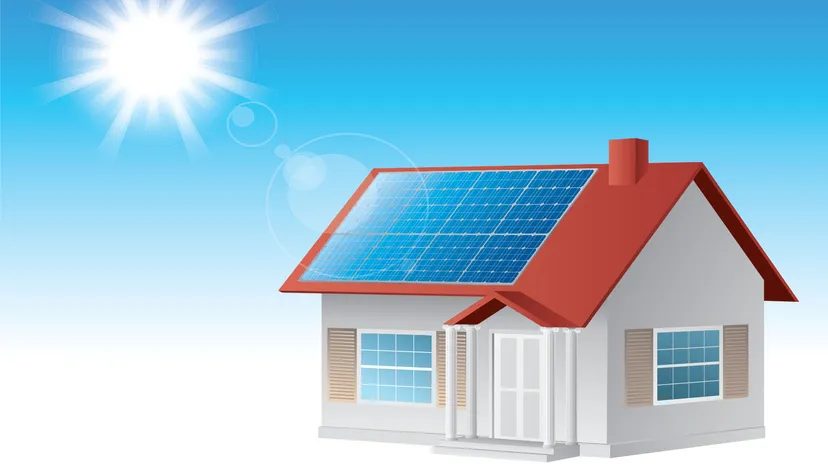
How Residential Solar Evolved from Sunrooms to Grid Parity
The first time someone probably tried to harness sunlight was by holding a piece of glass at just the right angle to burn an ant. It worked. That primitive experiment led directly to the silicon photovoltaic cell created in the US in 1954. Today’s panels are the descendants of that tech. They are just more efficient.
By the 1950s, builders were already experimenting. Some offices focused on solar water heating. Homes went from simple sunrooms to hybrid grid systems. The first standalone solar house launched in 1983 in New York’s Hudson River Valley. By 2000, a family in Colorado had built an installation that nearly powered their entire eight-person home.
Radiant Heating and Passive Cooling Solutions
Roof panels are the obvious choice. But there are other ways to use the sun’s energy inside your walls. A modified radiant heating system routes plumbing so water gets heated by the sun. As that warm water pumps through the house, it dissipates heat to control temperature. The best part? It does not add to your electric bill.
In 2007, Santa Clara University students won a national design competition. They figured out how to use solar radiant heat to cool the house, too. The concept is simple. The execution is often hard.
Newer innovations over the last decade have made efficient solar power more affordable and accessible.
Breaking Down Solar Installation Costs
Price makes or breaks any solar project. Early technology costs were steady until they dropped by 80% in the 1970s. In February 2009, First Solar announced their manufacturing cost hit one dollar per watt. That was a huge milestone.
Now, a standard home solar outfit runs about $16,000 on average. High-end setups can hit $35,000. That figure usually excludes installation. Labor can cost up to $25,000. You also have to account for financing and permitting fees. These add up quickly.
Calculating Potential Savings and Grid Parity
How much you save depends on local energy rates. Solar costs vary wildly by region. Use online tools like EnergySage or PVWatts to get a realistic estimate. They help you compare installation costs against long-term grid savings.
Experts talk about “grid parity.” This is the point where solar costs the same as conventional power. It happens without government grants or rebates. Parts of China, Europe, and California have already reached this milestone.
When more regions hit grid parity, demand will skyrocket. Supply might not keep up. Raw materials for panels are hard to source in large quantities. That bottleneck is coming.
Understanding the hardware shift
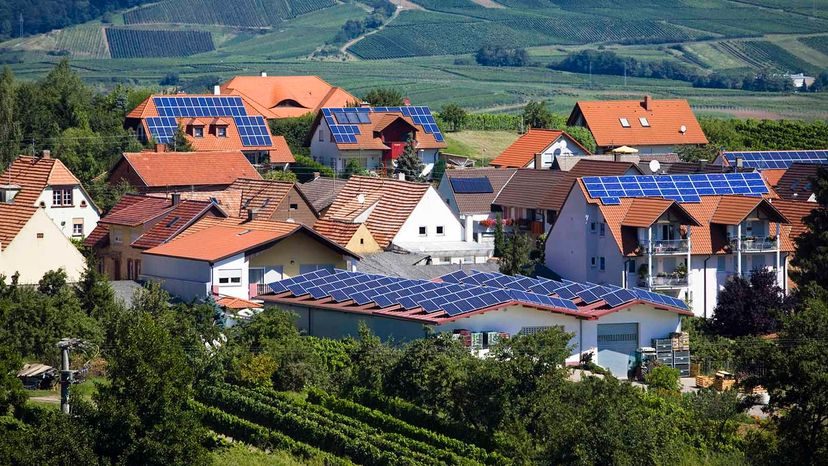
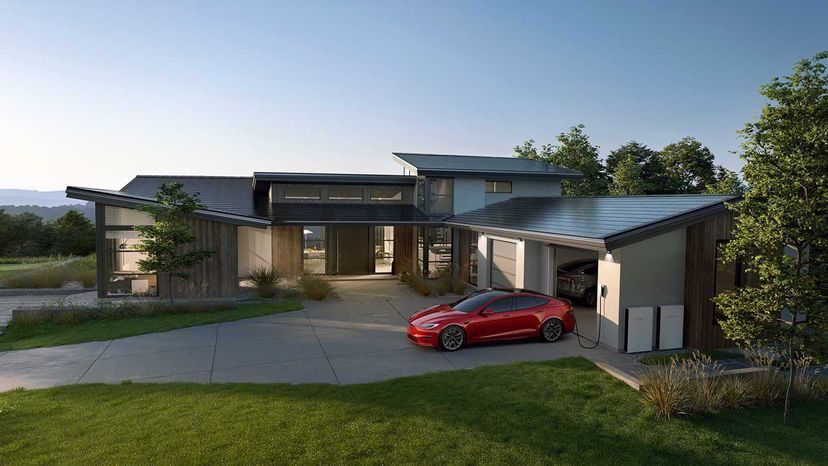
We have to start with the basics. You know the drill. Flat, shiny rectangles on a roof. They take in sunlight and spit out DC power. An inverter then turns that into AC power. That’s the stuff that runs your devices. If you want total independence, you need batteries. They store the excess. This keeps the lights on at night or when the sky is gray. A bad design won’t save you, but a good one will.
Then there are solar shingles. They look like a normal roof. Maybe a bit glossier. They work in weak light too. The tech is mature. You don’t need direct, blazing sun to get juice.
The energy drain reality check
So why do people hesitate? Usually, it’s the other side of the meter. Gas heat. Electricity from the grid. To go fully off-grid, the solar system has to do everything. Heating. Cooling. Lighting.
Air conditioning is the killer. It’s the biggest power drain in most homes. Then you add the fridge. The stove. The washer and dryer. The TV. The computer. Don’t forget the phones. And the tablets. Everyone is charging something.
If your house is big, you need a bigger system. If you leave the electronics running all day, you need a robust setup. You might think you’re efficient. Maybe you use insulated shades. Maybe you skip the dishwasher. That helps. But the early adopters who care about the planet aren’t the only ones going solar now. Most people just want lower bills or reliability. They aren’t thinking about conservation first. They need a system that covers their habits, not their ideals.
Calculating the load
The smart move is to calculate your usage first. Then build the system to match. If the cost is too high, cut back. Turn off the extra lights. Unplug the idle devices.
Designing a home from scratch helps. You have choices. Retrofitting an existing house is messier. The design matters. Roof size. Direction. Pitch. Obstructions that cast shade. A south-facing roof with no trees is ideal. A north-facing one with overhangs is a struggle.
Location is a hard constraint. Scandinavia gets short days. Equator locations get long ones. Sunny days matter more than just the angle of the sun. If it rains all day, it doesn’t matter what time the sun sets. When you build your own house, you can pick the site. You can orient the roof. You can’t do that as easily with a existing structure.
The math of sufficiency
To figure out production, look at local meteorological data. Past averages tell you what to expect each month. Keep your old utility bills handy. They show your actual consumption. Compare the two. Does the system cover the peaks?
Guidelines suggest 1 kilowatt per 1,000 square feet. Don’t let optimism win here. You need to survive the worst month. Not the best. Prepare for the proverbial rainy day. Because it will come.
Paying for What’s Free
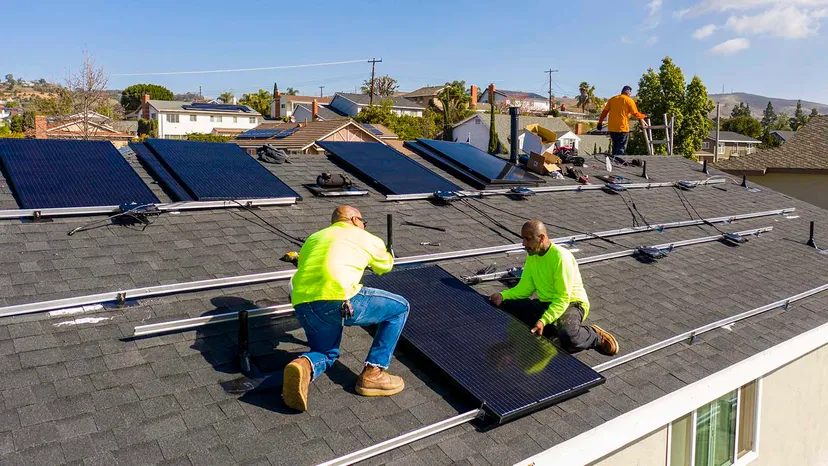
The sun is free. Your tools don’t have to be. But turning light into usable electricity still requires hardware that costs more than you’d like to admit. That’s changing. Solar panels are now among the cheapest renewable energy sources available. Large-scale projects undercut coal plants. Homeowners? You might still face a steeper climb. Don’t walk away. There are ways to make the math work.
Navigating Financial Incentives and Tax Credits
Energy incentives are messy. They shift. They vanish. They change state by state. If you’re serious about a home solar panel conversion, stop guessing. Look at your specific state’s benefits. The right mix of grants, tax credits, and per-watt rebates can slash the initial cost.
In 2020, Congress extended the Solar Investment Tax Credit (ITC). Also called the “solar tax credit,” it lets you deduct a percentage of your photovoltaic (PV) system’s cost from federal income taxes. There’s no cap. But it’s temporary. The ITC expires in 2024 unless Congress acts again. Miss that window? The savings drop.
Look closer than Washington. States and localities offer their own credits. Your utility company might throw in financial incentives for installing a system. Think ahead. If you sell your solar-powered home later, that investment pays off. As grid prices rise, your neighbors pay more. You might be entitled to a refund from the utility. That’s attractive to buyers.
Net Metering and Grid Integration
If your panels generate more power than you use, sell the excess back to the grid. Installers tout this as an easy ROI. It’s attractive for resale. But the results vary wildly. So do the laws. What your utility can do depends on where you live. Check the local regulations before you drill the first hole.
Some places tried to democratize solar. Berkeley, California. Boulder, Colorado. Municipal solar programs there let cities invest in infrastructure. The cost is recouped through taxes. Other locales offer special loans tied to property tax bills. One company launched a leasing program, similar to renting a cable box. They target states with high energy costs to cast a wider net.
The path to cheap solar hasn’t been smooth. Germany spent over $130 billion on subsidies. Then, in 2012, officials pulled the plug. The infrastructure was deemed too expensive and inefficient for mass scale. Even though sunlight is free, the hardware wasn’t scaling fast enough.
But the story isn’t over. In 2020, German rooftop installations jumped 25 percent. The government now wants to double capacity by the decade’s end. Even in places that struggled, the momentum is shifting. Go outside. Look up. The technology is here.
Home Solar Panel FAQ
Can a house run on solar power alone?
Yes. But going off-grid takes serious cash and time. Higher energy needs mean more panels. If you want true independence, budget accordingly.
What are the cons of solar power?
Weather is a factor. Cloudy, overcast, rainy days block energy collection. That dependency is the biggest drawback. The high initial cost is another. Solar is the cheapest renewable energy, but it’s still roughly four times more expensive than traditional fossil fuel sources upfront.
How much do solar panels cost for a 1000 square foot house?
Size isn’t the only metric. Two 1,000-square-foot homes will need different setups. Look at your monthly electric bill and location. As a baseline, a 1,000-square-foot home with a $50–$60 monthly bill needs at least a 5-kilowatt system. The average US cost is about $3 per watt. So, a 5,000-watt system runs around $15,000. That’s before location specifics, roof orientation, house type, or local incentives.
Why is solar power important?
It cuts or eliminates the need for fossil fuels. We stop burning things to power our homes. The grid gets cleaner. You get independence.