Most people keep a standard pair of slip-joint pliers in their junk drawer. They work fine for turning nuts or holding a nail. But when you need to reach somewhere impossible, those chunky tools fail. That is where needle-nose pliers enter the fray.
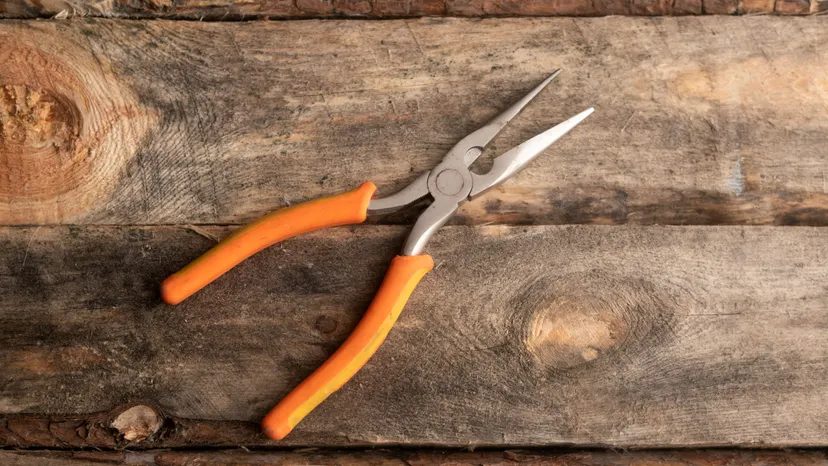
They are distinct from their bulkier cousins. The shafts are long and narrow. The tips pointy and often curved or angled. This geometry allows them to slip into spaces fingers cannot enter. Regular pliers are simply too wide. They get stuck. Needle-nose pliers fit into the tightest, most cramped corners of a project.
Why You Need Insulated Handles
Safety matters here. These tools are made of steel. If you work with electricity, the handle matters. Look for insulated plastic or rubber-coated grips. They provide a secure hold. More importantly, they offer protection from electric shock. Only use them if the model is specifically rated for this.
Without insulation, you are just holding a metal rod near a live circuit. Don’t do that. Even with insulation, avoid live wires entirely. The tools are not designed for high-voltage work. They are for low-voltage tasks or when the power is cut.
Cutting and Gripping Mechanics
The tips often include sharp, thin blades. You will see these in models designed for wire cutting. They are excellent for electrical work. They slice through small wires cleanly.
But they do more than cut. They grip. The jaws are strong. You can clamp down on multiple wires at once. They can pick up small screws with a firm, secure hold. When fingers are too clumsy for the job, these pliers take over.
“Needle-nose pliers should be gripped tightly yet apply gentle force.”
This balance is critical. You need a firm hold to prevent slipping. But you cannot crush the object. The tool is not a hammer. It is a precision instrument.
Where They Fail
Do not test their limits with large hardware. They are not sturdy enough to cut large, hardened wires. Try it and you will damage the blades or break the mechanism. The steel is thin. It lacks the leverage for heavy-duty tasks.
They are also not universal. For turning large bolts, reach for a wrench. For gripping thick stock, use locking pliers. Needle-nose pliers shine in the middle ground. Small objects. Tight spaces. Delicate materials.
Beyond the Toolkit
Hobbyists know this truth well. Jewelry makers use them daily. You need to pick up beads. String them. Set small stones. Attach tiny clasps. Fingers are too fat for these tasks. Needle-nose pliers provide the fine motor control needed.
They are not just for construction. They are for detail work. Whether you are repairing a circuit board or crafting a necklace, the long, slender shaft gets you there.
Choosing the Right Pair
Sizes vary. Pick up a few different lengths. You will find uses for each. Some tips are straight. Others are angled. Angled tips help when you need to work around obstacles. Curved tips assist in holding round objects.
Check the grip. Rubber handles offer comfort during long sessions. Plastic might be harder but more durable. Ensure the jaws close fully. Test the cutting blades. They should