The hardware on an old piece of furniture takes a beating. Drawer pulls loosen. Hinges bend. Protective corners crack. Sometimes, pieces are just missing entirely. If the metal is bent beyond repair or the parts are gone, you replace them. But if the hardware is just loose, you can often fix it in minutes.
Many furniture pieces use standard hardware. Matching these is easy. You might even find exact duplicates at a local hardware store. But if the design is unique, or the piece is an antique, you need to be careful. Removing original hardware from a valuable antique can destroy its value. In those cases, keep the old pieces intact and source matching replacements. If you simply hate the look of the current knobs, replacement is the move. Make sure the new base is at least as large as the old one to cover the screw holes.
Let’s look at how to handle the most common complaint: loose drawer pulls and handles.
Tightening Loose Drawer Pulls
If a pull wiggles, the screw has lost its bite. The first step is to remove the pull. Look at the screw. If it’s short, try a longer one. This is the easiest fix.
But what if the hole in the wood is stripped? If you just keep putting in longer screws, you’ll eventually hit the end of the wood or the screw will spin uselessly. You need to fill that gap.
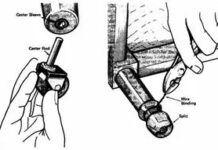
For a small gap, use a hollow fiber plug. Insert it, then drive the screw through it. For metal pulls, try fitting a piece of solid-core solder into the hole. It expands slightly as it cools, creating a tight fit.
If the hole is ragged or too big for those methods, go old school. Take some wood toothpicks. Dip them in wood glue. Jam them into the hole. Let it dry completely. Trim the excess toothpicks flush with the surface. Now you have solid wood again. Dip the screw in glue, reinsert the pull, and tighten firmly.
For a more permanent repair, especially on heavy drawers, enlarge the hole slightly. Glue a wooden dowel into it. Once dry, drill a new pilot hole through the dowel. This gives you fresh wood for the screw to grip.
Fixing Wobbly Hinges
Hinges fail in two ways. They bend, or they loosen.
If the hinge pin is bent, the door won’t swing smoothly. You can try to straighten it, but it’s often easier to just replace the hinge. They’re cheap and plentiful.
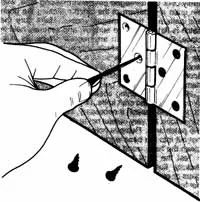
If the hinge is loose, try longer screws first. Same logic as the pulls. If the screw holes are stripped, use the toothpick-and-glue method. It works just as well for hinges as it does for drawer fronts.
If the metal leaves of the hinge are damaged and you can’t replace the hinge, you can glue it back in place. Use epoxy or a rubber- and silicone-based adhesive. It won’t look perfect, but it will hold.
Handling Damaged Locks
Old locks are often jammed. Keys are frequently missing. If the furniture is an antique, do not try to pick the lock or force it open. Have a professional restore it. You risk damaging the mechanism or the wood.
If it’s just a standard piece of furniture, remove the lock. Take it to a locksmith. They can often cut a new key or identify the model. Order a matching or similar lock to replace it. Do not guess. Wrong locks can ruin the aesthetic or functionality of a drawer.
Securing Loose Metal Bands and Escutcheons
Decorative metal bands and escutcheons add character. They develop a patina over decades. Don’t throw them away unless they’re broken. If they’re loose, you can secure them without drilling new holes.
Squeeze a bead of adhesive caulking compound under the metal. Press it down firmly. The adhesive bonds the metal to the wood.
If that fails, you’ll need screws. Here is the catch: you must match the metal. Brass to brass. Copper to copper. Steel to steel. If you put a steel screw into a brass plate, galvanic corrosion will set in. The brass will eat away at the screw and the plate will pit. It looks terrible and weakens the hold.
Use tiny screws. Match the metal. Drill pilot holes first. Place them in a pattern so they don’t detract from the design.
Covering Up Old Holes
Sometimes the holes are just too big. You’ve tried the toothpicks. You’ve tried the dowel. Nothing holds. Or maybe you just want a different look entirely.
You can cover the old holes with new escutcheon plates. These are decorative plates that sit over the existing hardware. They hide the damage and give you fresh mounting points.
Attach them with adhesive or screws. If you’re using escutcheon-style handles, the back plate is built-in. You just mount the handle. If you’re using a plate under a standard pull, drill new holes through the plate into the wood.
Keep the design simple. Match the style of the furniture. If it’s a Craftsman cabinet, go for clean lines and dark metal. If it’s Victorian, ornate brass might fit better. Don’t force a modern look on a piece that screams tradition.
You don’t need to replace everything. Sometimes, just tightening a screw or gluing a hinge back into place is enough. The goal is function. The bonus is that the piece might just look better than you remember.