



You caught them. You trapped them. Maybe you even watched one scurry into the night. The victory feels good. Until you look at the floor.
Mice leave a trail of biological hazards behind. It’s not just poop. It’s urine. It’s nesting material. It’s potential death. Hantavirus, leptospirosis, plague, salmonellosis—these aren’t movie monsters. They’re real pathogens carried by rodents in your walls. The germs linger long after the rodent is gone. Inhalation is the main risk. Dry droppings release microscopic particles into the air. Breathe them in, and you’ve got a problem.
Cleaning this up requires more than a broom and a prayer. You need protocol. Here is how to sanitize a mouse-infested area without making yourself sick.
Why wet cleanup prevents airborne disease
The biggest mistake people make? Sweeping.
Do not sweep. Do not vacuum dry droppings. When you disturb dry mouse waste, you aerosolize the bacteria and viruses. The CDC is clear on this: you must wet the area first.
Grab a spray bottle. Use a commercial disinfectant that explicitly says “disinfectant” on the label. Or make your own. Mix 1.5 cups of household bleach with one gallon of water. That’s a 1-to-9 ratio. Spray the droppings, the nests, and any surrounding surface until it’s soaked. Let it sit. Five to ten minutes is the minimum. The moisture traps the dust. The bleach kills the germs on contact.
While you wait, put on gloves. Latex, vinyl, or rubber. Bare hands are not an option. Mice urinate when scared. They track that urine everywhere. Even a surface that looks clean is likely contaminated. Spray your gloves with disinfectant periodically. Especially before you touch doorknobs or cabinet pulls. You don’t want to spread the mess to clean zones.
How to remove mouse waste safely
Once the area is saturated, it’s time to remove the debris.
Use paper towels or a disposable sponge. Scoop the wet waste up. Don’t use a brush. Place the waste into a plastic bag. Seal it. Put that bag inside a second plastic bag. Seal that one too. Double bagging prevents leaks and odor.
Be thorough. Mice are curious. They don’t just eat the crumbs on the counter. They explore cabinets. They hide behind appliances. Check under the fridge. Look behind the stove. If you found one nest, assume there are others nearby.
Take the double-bagged waste outside immediately. Put it in an outdoor trash bin. Don’t let it sit in your kitchen.
Disinfecting surfaces and floors
Now for the surfaces.
Wipe down everything the mice touched. Countertops. Cabinet shelves. Baseboards. Use your disinfectant solution again. Be generous. Wet is good. Dry is dangerous.
For floors, use a mop. But not your good mop. Use a disposable mop head or old rags you plan to throw away. Mop the affected areas thoroughly. If you have carpets or rugs in the zone, steam clean them or shampoo them. Heat and moisture help kill lingering pathogens.
Wash your hands. Immediately. Scrub them well. Even though you wore gloves, accidents happen.
Preventing future invasions
Cleaning is step one. Prevention is step two.
Mice can squeeze through gaps the size of a half-inch. That’s smaller than a dime. Inspect your home’s exterior. Look at the foundation. Check around windows and exterior doors. Seal any cracks. Use steel wool and caulk. Steel wool is key; mice can’t chew through it.
Check your attic and crawlspace. Look for holes around vents, drains, and fireplaces. If you leave those open, the mice will return. They have good memory. They’ll find their way back in.
Is it worth the effort? Sure. A clean house is a healthy house. But don’t rush the cleaning. Take your time. Wear the gloves. Wet the mess. Your lungs will thank you later.
What about the traps? Leave them out for a while. Just to be sure.

Handling the aftermath and cleaning up
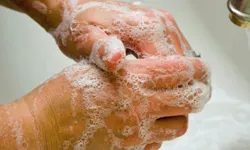
Disinfect your scrub gloves before taking them off. This stops pathogens from transferring to your skin during removal. Once the gloves are off, wash your hands thoroughly. Use warm water and soap. Scrub for at least 20 seconds. It sounds like a cliché but scrubbing is what actually loosens germs so the rinse water can carry them down the drain. Lather up. It’s the same germ-fighting precaution TV doctors use before surgery. Now it’s your turn.
After washing, change your clothes immediately. Don’t let the cleaning gear sit in a pile. Launder it promptly in hot water with detergent. The heat kills remaining contaminants that soap alone might miss.
Will bleach kill rats or mice?
There’s a lot of confusion here. Bleach isn’t a direct contact killer for rodents in the way you might think. Its smell acts as a powerful repellent. Rats hate it. But if you’re looking to poison them, bleach works differently. They can’t ingest it and live. To make it work as a toxin, you have to disguise the taste. Mix a little bleach with a tablespoon of peanut butter. You may need more peanut butter to mask the chemical odor. Place this bait at a mousehole or other entry point.
Does bleach keep rats away?
Just like humans, rodents dislike the strong, chemical scent of bleach. They will avoid areas where it’s present. Create a solution of water and bleach. Spray it around known rat hangouts. This drives them away. It doesn’t kill them on contact, but it makes the space uninhabitable for them.
Does bleach kill hantavirus?
Yes. Hantavirus is serious. It’s spread by rat droppings and urine and causes disease in humans. To neutralize it, create a disinfectant solution of 90% water and 10% chlorine bleach. Soak the rat carcass and the trap in this mixture. Let it sit. While other cleaning solutions exist, they can be ineffective against this specific virus. Stick with chlorine bleach for the best results.
Will bleach get rid of mouse urine smell?
It works, but you have to do it right. First, put on vinyl, latex, or rubber gloves. Never touch droppings or urine with bare skin. Clean up the visible waste. Then create your bleach and water mixture. Spray it generously around the affected area. Leave it on for at least 5 minutes. This dwell time is critical for breaking down the odor compounds and killing bacteria.
What smells do rats hate the most?
Bleach is a top contender. But it’s not alone. Rats hate naphthalene, which is found in mothballs. They also dislike the scent of their natural predators. Ferrets, raccoons, and cats all leave smells that trigger avoidance behaviors in rats. If you prefer natural options, try essential oils. Eucalyptus, peppermint, and citronella are effective deterrents. These scents overwhelm their sensitive noses.


