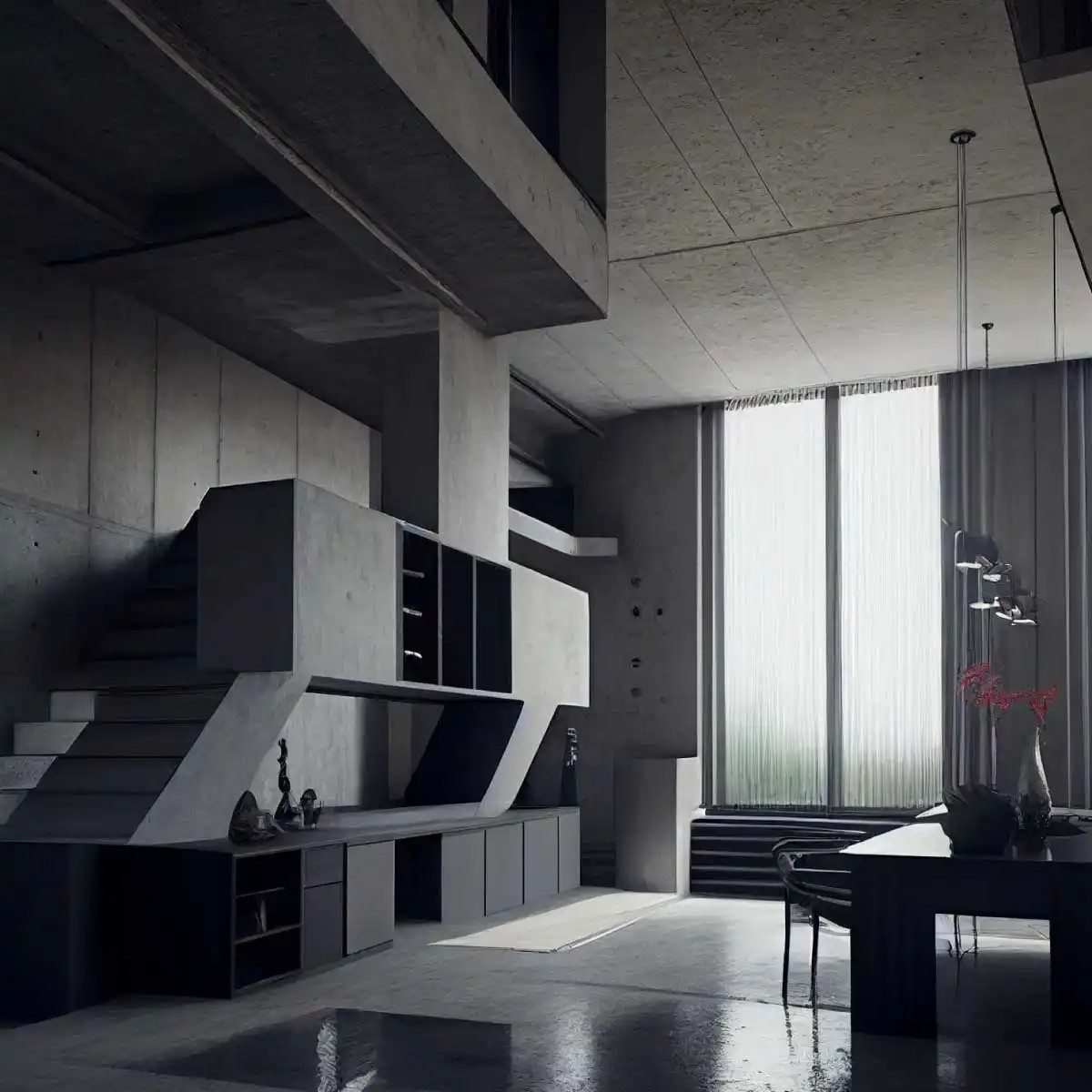
Brutalism is no longer just for concrete jungles.
It started in architecture, sure. Heavy, raw, unapologetic. But now? It’s on the runway. And it’s creeping into your closet. The trend we’re calling Brutalist Fashion Design is stripping away the noise. No frills. No fuss. Just bold, structural shapes that refuse to apologize for existing.
It’s not about looking soft. It’s about looking solid.
What Actually Defines Brutalist Style?
You know the look. Grey tones. Sharp lines. Geometric forms that feel like they were poured, not sewn.
Brutalism in fashion borrows heavily from its architectural roots. Think minimalist silhouettes. Think raw textures. It’s a rejection of delicate ornamentation in favor of something tougher. Something with weight.
Why is this popping up now?
Because people are tired of trying to be “pretty.” They want structure. They want clothes that feel like armor.
The core elements?
- Monochromatic palettes. Mostly greys, blacks, and whites.
- Rigid structures. Stiff fabrics that hold their shape.
- Minimal detailing. Less is definitely more here.
It’s stark. It’s modern. It’s a statement.
“Simplicity is the ultimate sophistication.” – Often attributed to Da Vinci, but Brutalism takes it further. It’s not just simple. It’s severe.
This isn’t for everyone. It demands confidence. It demands a certain kind of quiet power. But if you’re looking to break free from fast fashion’s endless cycle of trends, this is a solid place to start.
Where do you even begin?
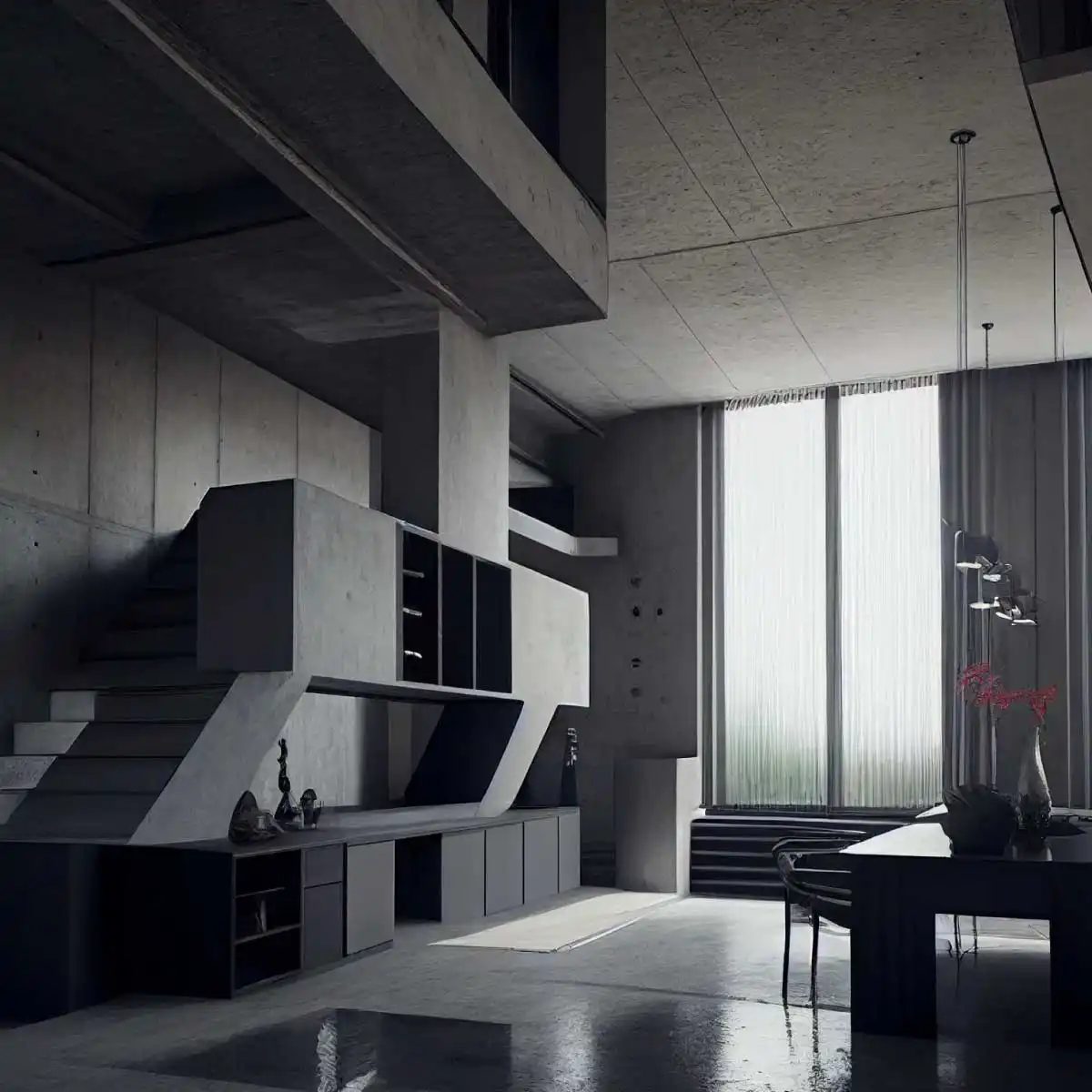

Why Fashion Is Stealing from Brutalist Architecture
The concrete doesn’t stop at the city limits. It’s bleeding into your closet.
Brutalism started as a mid-20th century architectural rebellion. It stripped buildings down to their raw bones. Exposed concrete. Rough textures. No paint. No hiding. The word comes from the French beton brut — raw concrete. Simple. Honest. Ugly to some. Stunning to others.
Now, designers are taking that same “don’t give a f***” attitude and applying it to fabric.
How Brutalism Translates to Wardrobe Choices
It’s not about wearing a t-shirt with a picture of a building. It’s about the feel. The structure.
Brutalist fashion mimics the architecture. Think sharp lines. Monochromatic palettes. Grey. Black. White. No florals. No frills. The textures are rough, heavy, or stiff. Leather that feels like a wall. Wool that holds its shape against the wind.
“The industrial and minimal image of concrete gives designers a chance to create bold, contemporary collections.”
That’s the core idea. The clothes shouldn’t look soft. They should look like they were poured, not sewn.
Which Elements Define the Brutalist Look?
If you’re trying to build this vibe, you’re looking for specific traits.
- Stern Lines : Geometry matters. Boxes, rectangles, hard angles. Nothing flowing or draping softly.
- Monochrome Colors : Stick to the spectrum of stone. Grey is king. Black supports it. White provides contrast.
- Raw Textures : Knits that look tangled. Fabrics that feel coarse. Hardware that looks industrial, not decorative.
- Minimal Ornamentation : Less is more. If it doesn’t serve a function, cut it off.
Where to Find Brutalist Inspiration Today
It’s everywhere now. Not just in clothes. Furniture. Accessories. Graphic design.
The aesthetic has survived because it’s durable. Metaphorically, at least. The style is harsh. It’s confident. It refuses to apologize for being stark.
You’ll see it in statement jackets that stand up on their own. In bags that look like toolboxes. In shoes that feel like you could kick through a drywall partition.
Why do we gravitate toward it? Maybe because the world feels too soft. Too polished. Too fake. Brutalism feels real. Even if it’s just a synthetic fabric mimicking the weight of a government building.
It’s cold. It’s hard. And that’s exactly the point.
What defines brutalist fashion design?
The style relies on raw honesty. No hiding behind lace or soft pastels. Brutalism in clothing mirrors the concrete structures it borrows from. Hard edges. Rough textures. A palette that feels like a construction site before the polish hits.
Gray is the anchor. Not a soft misty gray. A heavy, industrial slate. It gets balanced by stark white, deep black, and muted beiges. Metallic tones slip in for coldness. The look is monochrome, minimal, and unapologetically modern.
“Brutalist fashion creates a strong stance while maintaining a simple, harsh appearance.”
Silhouettes matter. Shoulders go wide. Collars stand high. Lines cut sharp. You aren’t looking for flow here. You’re looking for structure. The details stay functional. If it doesn’t serve a purpose, it doesn’t exist.
Accessories complete the industrial vibe. Think big geometric shapes. Heavy metal jewelry that looks more like hardware than adornment. Bags and boots carry rough textures. Belts buckle with authority. It’s all about carrying that architectural weight onto the body.
Designers pick materials that reflect this spirit. Stiff fabrics. Unyielding forms. The goal isn’t comfort in the traditional sense. It’s presence. It’s wearing the building.
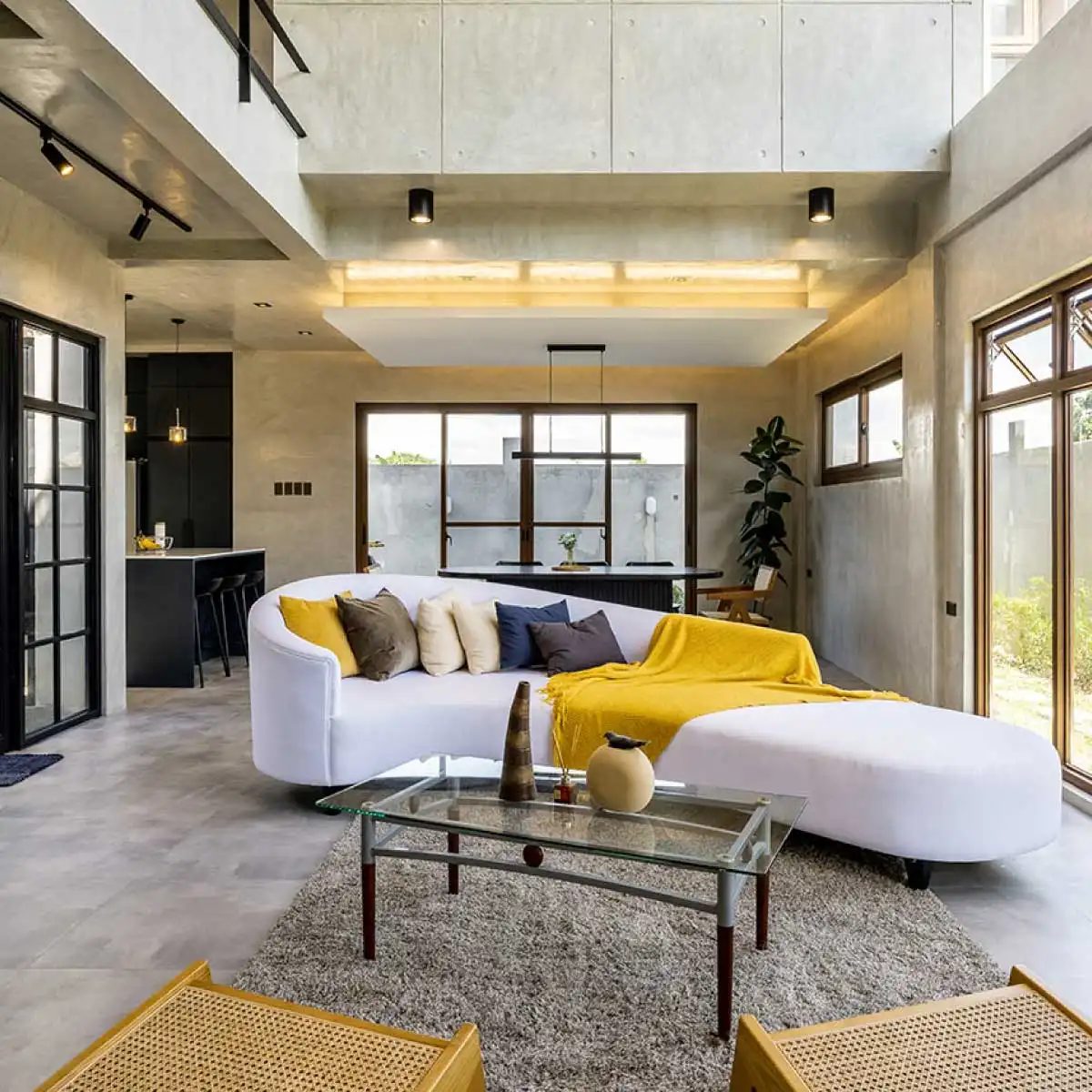
How to bring brutalist design into your home without looking like a bunker
Brutalism isn’t just for imposing government buildings or abandoned Soviet blocks. It’s bleeding into residential design. But you don’t need an architect to pull it off. You just need to understand what makes it tick. The core is raw honesty. No hiding the structure. No faking the materials.
The primary long-tail keyword: DIY brutalist interior design tips
If you want to try DIY brutalist interior design tips, start with the walls. This is where most people fail. They paint over the texture. Brutalism demands you leave it alone. Or create it.
“Béton brut.” That’s the name. Raw concrete.
If your walls are drywall, you’re fighting a losing battle unless you use specialized plasters. Look for micro-cement or decorative concrete overlays. These kits let you pour texture over smooth surfaces. It’s messy. It’s labor-intensive. It’s worth it.
Why concrete is the non-negotiable element in brutalist homes
You can’t fake the weight. Concrete provides the visual anchor. In architecture, it’s load-bearing. In your living room, it needs to look like it is.
- Exposed aggregate: If you have old concrete floors, grind them down. Reveal the stones.
- Formwork patterns: New concrete pours should keep the marks from the wooden forms. Those lines tell the story of how it was made.
- Color: It should be gray. Not white-washed gray. Not beige-washed gray. True, cold, industrial gray.
Don’t use vinyl peels that look like concrete. They reflect light differently. They look cheap. Real concrete absorbs light. It feels cold to the touch. That’s the point.
Minimalism vs. clutter: The brutalist approach to space
Brutalism hates decoration. If it doesn’t have a function, it goes. This isn’t just aesthetic. It’s ideological.
Strip the room. Remove the trim. Remove the crown molding. Those are lies. They hide the corners where walls meet ceilings. Brutalism exposes the joint.
Use geometric forms. A square coffee table. A rectangular sofa. No curves. Curves soften the blow. Brutalism wants to hit you in the face with geometry.
Which materials complement raw concrete in home renovation
You can’t just have concrete. It’s too harsh. You need contrast. But not soft, flowery contrast. Industrial contrast.
- Black steel: Thin, matte black metal frames for shelves or windows.
- Glass: Large, clear panes. No patterns. Just transparency.
- Wood: Only if it’s dark, charred, or heavily textured. Light pine looks out of place. Think teak or oak with a raw finish.
The goal is tension. The hard concrete against the sleek steel. The rough wall against the smooth glass. This creates the industrial aesthetic that defines the style.
How to achieve natural textures in a brutalist renovation
Most homeowners sand everything smooth. Stop.
Leave the plaster rough. If you’re tiling, use large format tiles with minimal grout lines. Or better yet, use terrazzo with large chips of marble
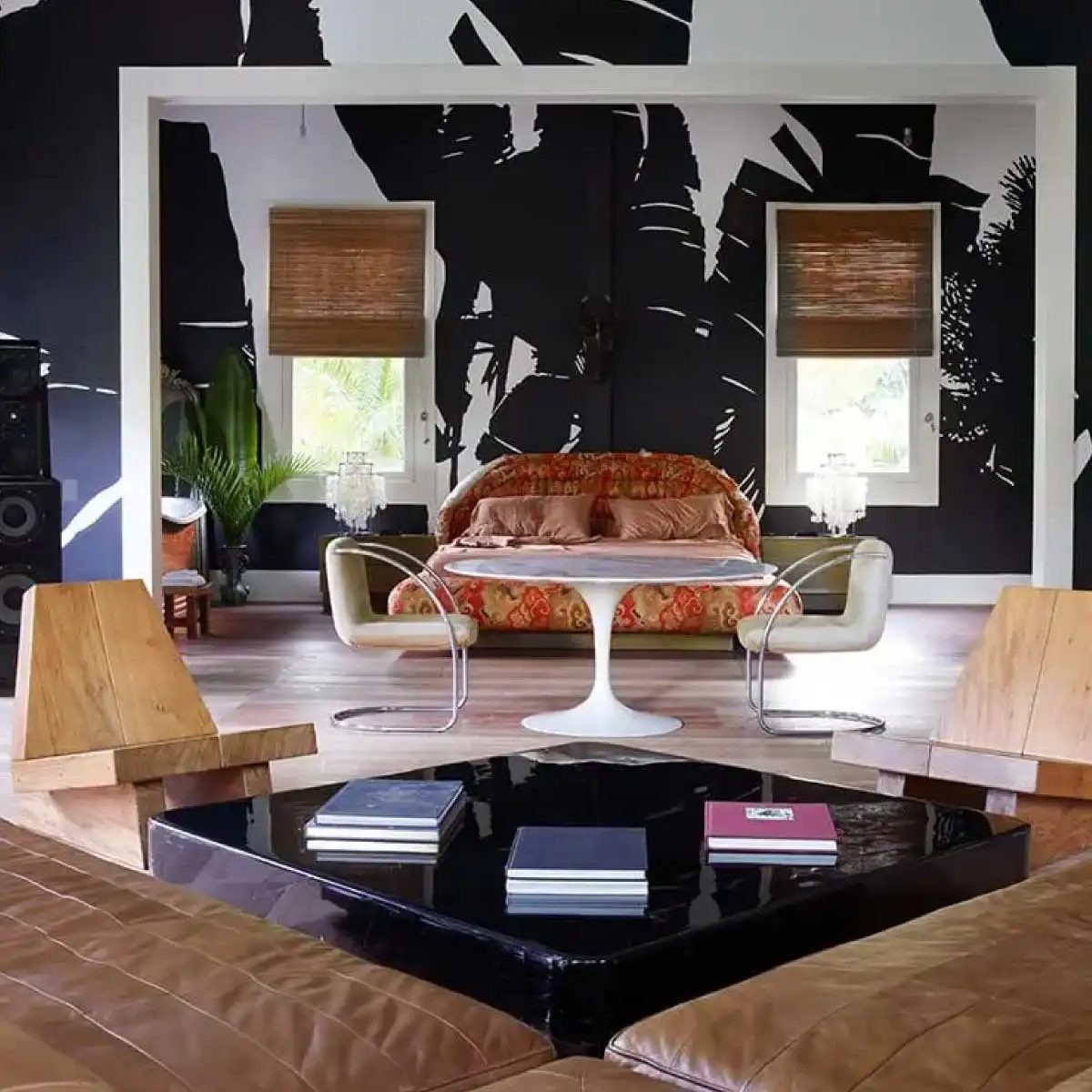
How to pull off a brutalist interior without it feeling cold
Brutalism isn’t just for museums or fashion runways anymore. It’s bleeding into home decor. The aesthetic is raw. Unapologetic. If you want that modern, minimalist, and bold look, you have to lean into the texture. You can’t shy away from the materials.
Why concrete surfaces are non-negotiable
In architecture, brutalism is synonymous with concrete. In your living room, it’s the same story. You want that industrial touch? You need to expose the raw structure. Concrete walls, floors, or countertops do the heavy lifting. They give the space character. A strong, heavy character.
Don’t try to hide the natural texture. The grey tones are the point. The imperfections are the point. Polished smooth looks like a countertop in a generic hotel. Keep it rough. Keep it real. That’s how you capture the style.
Choosing furniture that doesn’t apologize
Minimalism is key here. But not the soft, hygge kind. This is hard minimalism. Look for furniture with simple lines and rigid geometric forms. Sharp edges. Angles that cut the air.
A sofa with clean, boxy lines works. A table with a thick, slab-like top. Shelves that look like they could hold up a roof. These pieces reflect the brutalist ethos while keeping the visual noise down. You aren’t decorating. You’re arranging forms.
Metal accents and industrial hardware
Accessories in a brutalist home shouldn’t whisper. They should announce their presence. Metal and industrial elements are the supporting cast.
Think metal candle holders. Exposed filament bulbs in industrial lamps. Cast iron details. These items reinforce the rugged vibe. They bridge the gap between the cold concrete and the human need for warmth. Or at least, the illusion of it.
Sticking to a monochrome palette
Brutalism doesn’t do pastels. It does monochrome. Grey. White. Black. Maybe some nuanced beige if you want to soften the blow slightly.
This color scheme creates a simple, modern, and sophisticated atmosphere. It lets the textures speak. If you start adding bright colors, you lose the cohesion. The power of this style comes from its restraint.
Where does brutalism actually show up?
You see it in architecture first. That’s its home. The industrial aesthetic of concrete, the harsh lines, the minimalist approach—it’s all there. But lately? It’s everywhere.
Fashion has picked it up too. Designers are using the same principles. Bold. Modern. A search for strong expression. The fashion world loves the severity of concrete. The lack of ornamentation. The monochrome palette. It translates well from a building facade to a jacket.
How to apply brutalist design in your own home
So how do you actually do it? It’s not about buying one weird chair. It’s about a systemic approach.
- Concrete surfaces: Install concrete walls or floors. It’s the foundation.
- Minimalist furniture: Choose pieces with simplicity and sharp lines.
- Metal accessories: Use metal candle holders or industrial lamps to support the theme.
- Monochrome colors: Let grey, white, and black dominate the space.
It’s a commitment. You can’t half-ass brutalism. It either works as a whole statement, or it just looks like you forgot to finish the renovation. Which, honestly, might be part of the appeal.