You don’t need a commercial solvent machine to tackle stains that water won’t touch. You can mimic the dry cleaning process right in your laundry room using common household items. The goal is to lift oil-based stains from delicate fabrics without the agitation that ruins wool or silk.
Why Home Dry Cleaning Works
Commercial dry cleaners use a chemical called perchloroethylene. At home, you can substitute this with a combination of rubbing alcohol and a gentle fabric softener. The alcohol acts as the solvent, breaking down grease and oil, while the softener helps keep fibers supple during the wash. This method is safer for the environment than traditional commercial methods and avoids hanger fatigue on delicate garments.
Gather Your Materials
Before you start, make sure you have the right supplies. You need:
- 1 cup of rubbing alcohol (isopropyl alcohol)
- 1 cup of warm water
- 1/4 cup of mild fabric softener
- A clean, large basin or bucket
- A soft-bristled brush (like a toothbrush)
- Clean white towels
Do not use hot water. Warm water is enough to activate the solution without damaging the fabric’s structure.
Step-by-Step Process
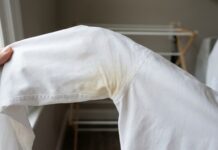
- Pre-treat the stain. Mix the alcohol, water, and fabric softener in a separate small bowl. Apply this solution directly to the stain using your soft brush. Gently dab, don’t rub. Rubbing spreads the stain and can weaken the weave. Let it sit for 10 minutes.
- Submerge the garment. Place the item in the large basin. Pour the remaining solution over the garment. Ensure the fabric is fully saturated.
- Agitate gently. Swirl the garment in the solution for about five minutes. This mimics the tumbling action of a commercial machine. Be gentle. Rough handling leads to snags and tears.
- Rinse thoroughly. Drain the soapy water. Fill the basin with cold, clean water. Rinse the garment until the water runs clear. You might need to repeat this step.
- Remove moisture. Do not wring the garment. Lay it flat on a clean white towel. Roll the towel and garment together gently to absorb excess water. Unroll and place the garment on a drying rack or another dry towel.
When to Skip This Method
This home dry cleaning technique works best for wool, silk, cashmere, and acetate. It is not recommended for synthetic fabrics like polyester or nylon, as they can react poorly to alcohol. If the stain is ink-based, this method will likely fail. For those, you need a specialized ink remover.
Safety and Care
Always work in a well-ventilated area when using rubbing alcohol. The fumes can be strong. Keep the solution away from children and pets. Test the alcohol mixture on a hidden seam of the garment first to ensure it doesn’t cause color bleeding.
Is it worth the effort? If you have a favorite silk blouse with a coffee stain, yes. It saves you a trip to the cleaner and preserves the garment’s lifespan. But if the item is severely damaged or has multiple deep-set stains, professional help is still the right call.
Decoding dry cleaning labels: P and F
Stop guessing. Look at the tag sewn into the inner seam. You are looking for a circle. Inside that circle is your instruction manual.
If you see a P, the garment tolerates a standard solvent.
If you see an F, it requires a petroleum-based solvent.
Getting this wrong ruins the fabric. The dry cleaning method is gentle precisely because it bypasses water. Water warps wool, shrinks silk, and bleaches color. These solvents clean without soaking the fibers.
Is home dry cleaning actually safe?
The short answer: yes, if you pick the right agent.
Ten years ago, dry cleaners ran on perchloroethylene. It was a potent chemical with serious environmental and health risks. That era is over. The industry shifted to less harmful organic agents, and machines got smarter.
You are not running a chemical plant in your living room. You are using household products. The risk profile is negligible compared to the old industrial standards.
Method 1: The ready-to-use dry cleaning kit
This is the lazy option. And honestly? It works.
You can buy these kits at any hypermarket or cleaning supply store. Here is the workflow:
- Spray the included cleaning solution directly onto the stain.
- Place the garment into the provided plastic bag.
- Add the included cleaning wipe to the bag.
- Toss the bag into your dryer.
- Run a low-temperature cycle.
When the timer stops, hang the item on a hanger. The heat and agitation do the work. No water touched the fabric.
Method 2: Ammonia for grease
Ammonia is a classic. It cuts through grease better than almost anything else.
You need a large bath towel and a soft cloth.
- Lay the garment flat on the towel.
- Mix ammonia and warm water in equal parts.
- Dip a cloth in the mixture. Wring it out.
- Dab the stain. Do not rub. Rubbing spreads oil.
- Dab again with a cloth soaked in plain water to remove the ammonia residue.
- Air dry.
Method 3: Essence F for tough stains
Essence F is a petroleum-based solvent. It is aggressive on dirt but gentle on fibers. It lifts grease without friction.
Tools: a clean cloth.
- Soak the cloth in Essence F.
- Press it onto the stain. Let it sit for a few seconds.
- Gently rub the area with a soft cloth.
- Hang the garment to dry.
This method is fast. It requires no rinsing.
Method 4: The dish soap and vinegar mix
Grandma’s secret. It is not magic, but it is effective for fragile fabrics.
You need a basin, warm water, white vinegar, and dish soap.
- Fill the basin with warm water.
- Add one cup of white vinegar and three tablespoons of dish soap.
- Mix until foamy.
- Take a clean washcloth. Dip it in the solution.
- Press it into the stained area.
- Gently friction the fabric.
- Rinse with clear water.
- Blot excess water with an absorbent towel.
- Hang outside to dry.
Method 5: Soda crystals for deep cleaning
Soda crystals (sodium carbonate) are an alkaline cleaner. They break down organic matter.
- Fill a basin with hot water.
- Add two tablespoons of soda crystals.
- Stir until dissolved.
- Dip a washcloth in the hot solution.
- Rub the stains.
- Hang the garment on a hanger to dry.
Hot water activates the soda. It is a strong cleaner for textiles that can handle heat. Check the label first. If the tag says cold wash only, skip this method.