Вам не потрібна шафа, завалена спреями з хімічними компонентами, для санації кухні. Одна пляшка стандартного 3% перекису водню подолає основну роботу. Це м’який відбілювач, який розпадається на воду – нічого більше. Жодних слідів. Жодних токсичних випарів. Лише чистота.
Більшість людей тримають їх у ванній для обробки порізів. Вони рідко усвідомлюють, що це ідеальний універсальний засіб для кухні. Вона вбиває бактерії на твердих поверхнях та видаляє плями завдяки окисленню. Вона ефективна, безпечна та дешева.
Але є нюанс: перекис з часом втрачає властивості. Якщо ваша пляшка стоїть на полиці рік, ви розпорошуєте звичайну воду із запахом озону. Використовуйте її швидко. Тримайте в темному місці.
Ось як дійсно помити кухню, використовуючи лише перекис. І трохи соди. Тому що іноді потрібна абразивність.
Чому важливий свіжий перекис
Перекис водню руйнується при контакті зі світлом та повітрям. Відкрита пляшка зберігається близько шести місяців. Невідкрита? Близько року. Після цього бульбашки перестають з’являтися.
Бажаєте перевірити свої запаси? Налийте трохи в миску. Слідкуйте за шипінням.
Якщо він бурхливий, засіб все ще активний. Чудово. Використовуйте його.
Якщо рідина сидить безтурботно та неживо? Викиньте. Купуйте свіжу. Не можна знезаражувати неактивною рідиною. Це марна трата часу та грошей.
Очищення стільниць та фурнітури
Тут трапляється магія. Стільниці, ручки шаф, дверцята холодильника. Все відбувається обробку.
Візьміть пляшку. Вам знадобиться розпилювач. Перекис боїться світла. Темні пляшки захищають її, але коли ви починаєте прибирання, вам потрібне покриття. Прикріпіть насадку. Це пришвидшить роботу. Менше патьоків. Найкращий контроль.
Розпорошіть на поверхню. Чи не замочуйте. Достатньо тонкого шару.
Зачекайте. Це той етап, який багато хто пропускає. Дайте засобу постояти 5-7 хвилин. Саме стільки часу потрібно, щоб зруйнувати бруд та вбити мікроби. Протерете занадто рано? Просто розмажете бруд.
Витріть мікрофіброю. Без смуг. Без залишків.
“Перекис водню вбиває мікроби на твердих поверхнях і діє як окислювач, видаляючи плями.”
Боротьба з раковинами та пригорілим брудом
Один перекис хороший. Перекис у поєднанні з содою ще краще. Ця суміш перетворюється на м’який абразивний паст. Ідеально для раковин. Ідеально для плити з сиром, що пригорів.
Спочатку збризкайте область. Змочіть поверхню.
Посипте зверху содою. Вона входить у слабку реакцію, але переважно додає текстуру.
Трить. Використовуйте губку або ганчірку. Сода піднімає бруд. Перекис знезаражує те, що пропустило чищення. Ретельно промийте. Висушіть.
Ваша раковина не має виглядати як чашка Петрі. Цей метод запобігає такому.
Підлоги та відра для сміття
З статями ситуація інша. Їх не збризкують. Їх миють.
Змішайте рівні частини води та перекису водню у відрі. Одна частина. Одна частина. Проста математика.
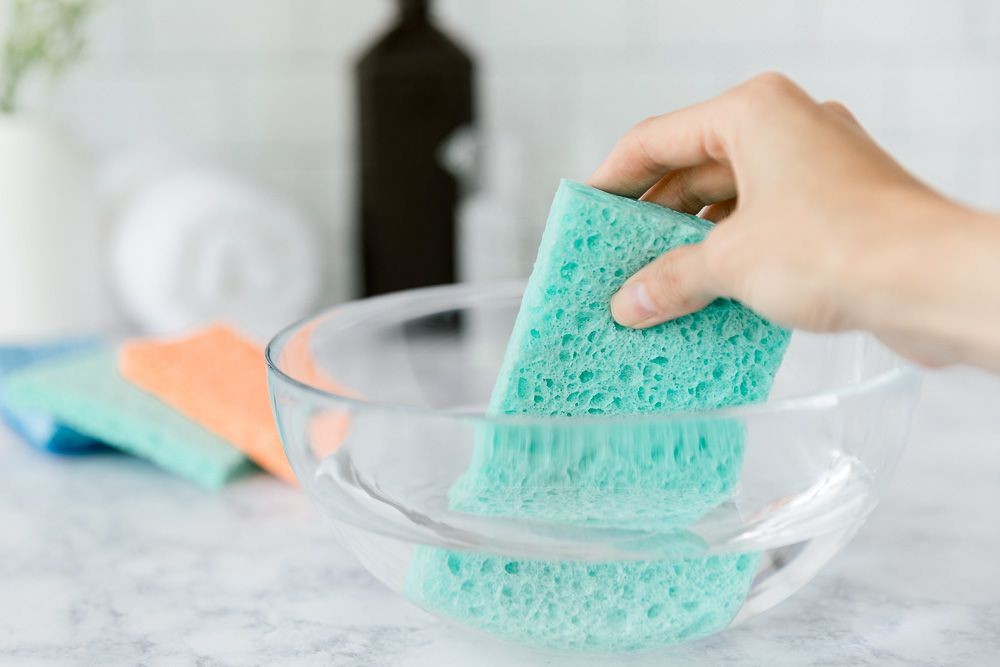
Мийте підлогу мікрофібровою шваброю. Ламінат та LVT-покриття не терплять стоячої води. Тому не залишайте її. Дайте висохнути на повітрі. Ви дезінфікуєте без хімічного похмілля.
Відра для сміття? Пахнуть смертю?
Прополоскайте їх тією ж сумішшю води та перекису. Вона нейтралізує запахи. Вбиває бактерії, що викликають запах. Струсіть воду. Висушіть. Готово.
Що ще можна чистити?
Не зупиняйтесь на стільницях. Список величезний.
- Побутова техніка: Ручки. Сенсорні екрани. Зовнішня поверхня посудомийної машини.
- Внутрішні поверхні: Внутрішні частини холодильника та морозильника. Чаша посудомийної машини.
- Зони підготовки: Обробні дошки (дерев’яні та пластикові). Посуд. Посуд для приготування їжі.
- Невидимі зони: Дверні ручки. Ручки ящиків. Баки для сміття.
Все це забереться. Бруд. Бактерії. Таємні плями.
Безпека та обмеження
Декілька попереджень перед тим, як розпорошувати все навколо.
Ніколи не змішуйте з оцтом. Це створює надоцтову кислоту. Вона дратує шкіру, очі та легені. Не робіть цього.
Тримайте подалі від очей. Вона сильно палить.
Перевірте на колір. Якщо у вас граніт або делікатне покриття, спочатку перевірте на невеликій ділянці. Перекис може вибілити деякі матеріали. Зазвичай не камінь, але іноді герметики вицвітають. Будьте обережні.
Безпека очей. Серйозно. Слідкуйте за очима.
Підсумок
Вам не потрібний складний режим догляду. Вам не потрібні дорогі еко-бренди. Вам потрібна бура пляшка 3% перекису водню та трохи терпіння.
Дайте їй попрацювати сім хвилин. Протріть. Рухайтеся далі.
Чи це ідеально для кожної плями? Ні. Для жиру на сковороді? Можливо, ні. Але для дезинфекції? Для видалення поверхневого бруду? Для того щоб ваша кухня не стала біологічною загрозою? Цього більш ніж достатньо.
Пляшки вистачає на шість місяців. Потім купіть нову. Тримайте ланцюжок безперервним.
Ваша кухня чиста. Повітря не має запаху. І ви нікому не зашкодили.