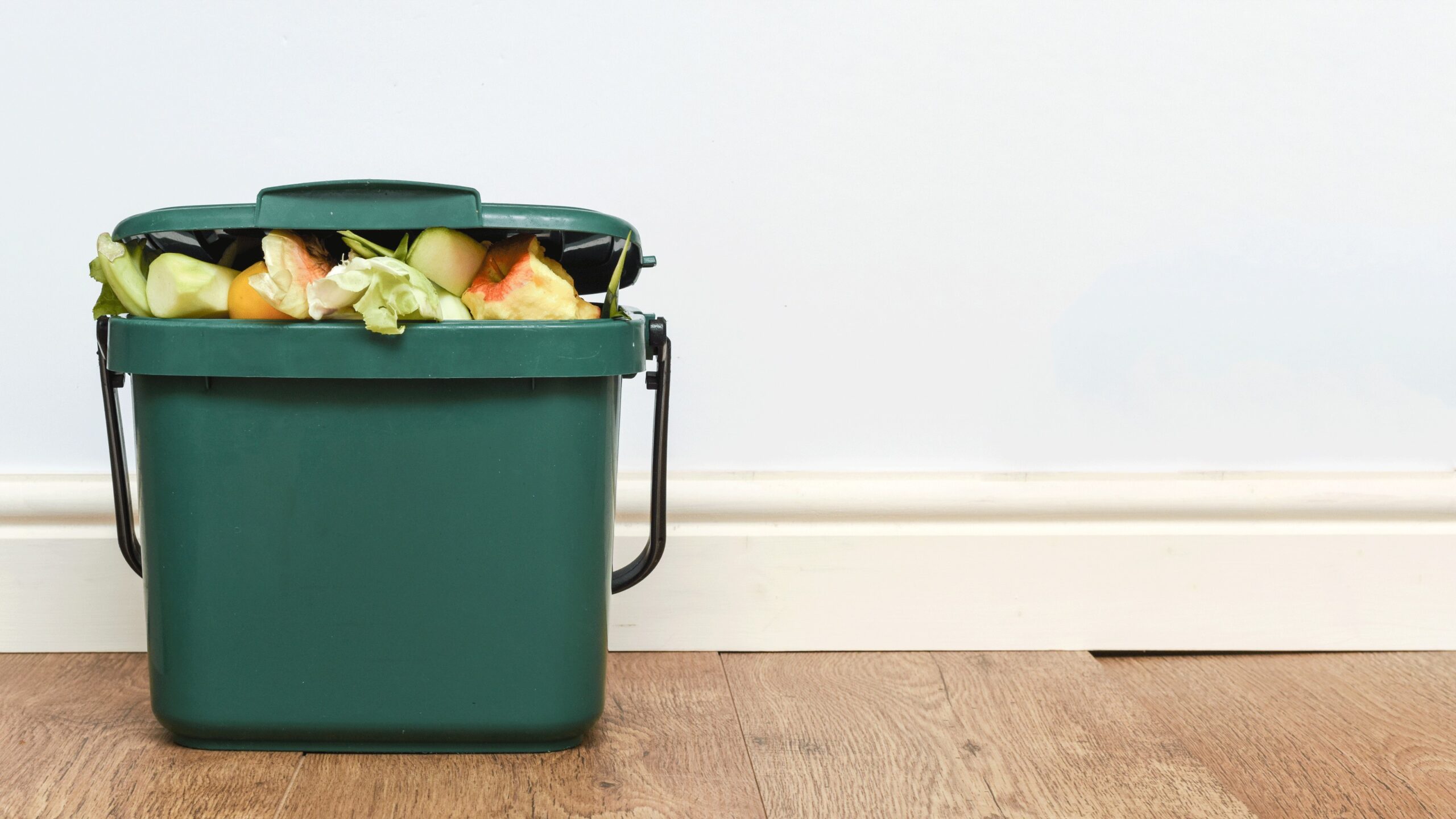
As temperatures rise, households across the country are facing a common seasonal nuisance: the increasingly pungent smell of food waste bins. With new recycling regulations making food caddies a standard fixture in many homes, managing organic waste effectively has become a necessary part of domestic hygiene.
Fortunately, preventing these odors doesn’t require expensive equipment. A simple, budget-friendly pantry staple—bicarbonate of soda —is often the most effective solution.
The Science Behind the Stink
To solve the problem, it is important to understand why food waste becomes particularly offensive during warmer months. According to cleaning experts, heat acts as a catalyst for decomposition.
- Accelerated Decay: Higher temperatures speed up the breakdown of organic matter, particularly meat, fish, and fruit peels.
- Moisture Buildup: As food decomposes, it releases liquids. When these liquids collect at the bottom of a bin, they create a damp environment that fosters bacteria and releases trapped gases.
- The “Odor Trap”: In a sealed container, these gases build up, leading to a sudden and intense release of smell when the lid is opened.
The Low-Cost Solution: Bicarbonate of Soda
While many retailers sell specialized odor-masking caddies or charcoal filters, experts suggest that a proactive approach using bicarbonate of soda is just as effective.
Rather than trying to mask a smell after it has already developed, the goal should be prevention. By using bicarbonate of soda, you target the root causes: moisture and acidity.
The Step-by-Step Prevention Method
To keep your caddy fresh, follow this simple routine:
1. Absorb Moisture: Line the bottom of your bin with kitchen roll or newspaper. This prevents liquid from pooling at the base.
2. Neutralize Odors: Sprinkle a generous layer of bicarbonate of soda over the liner. This helps neutralize acidic smells and absorbs moisture.
3. Seal Waste: Ensure that particularly “smelly” items are well-wrapped or sealed before being placed in the bin.
4. Regular Maintenance: Every time you empty the bin, give it a quick rinse with hot water and a mild disinfectant to prevent residue buildup.
Proactive Tips for Managing Waste
Beyond the bicarbonate of soda trick, several other strategies can help manage food waste hygiene:
- The Freezer Hack: For high-odor items like meat scraps or fish remains, consider keeping them in a small bag in the freezer until your scheduled collection day. This completely halts the decomposition process.
- Improve Airflow: If your outdoor bin is in a secure location, leaving the lid slightly ajar can improve airflow and prevent gas buildup.
- Frequency: The most effective way to avoid odors is to empty the bin “little and often” rather than waiting for it to reach capacity.
“The most effective way to prevent odours is to focus on keeping the bin as dry and clean as possible… By absorbing moisture and neutralising odours early on, you stop the smell developing in the first place.” — Emma Mannion, Cleaning Expert
Summary
Maintaining a fresh food waste bin relies on controlling moisture and slowing decomposition. By using simple household items like newspaper and bicarbonate of soda, you can prevent unpleasant smells and pests without the need for expensive specialized products.