Many homes feel colder than they are because of design choices, not the thermostat. The right colors, materials, and styling can dramatically impact how warm and inviting a space feels. Here are five simple adjustments to make your home cozier, according to professional interior designers.
Layer Materials for Depth
One of the most effective ways to warm up a room is by layering textures. Instead of flat, stark spaces, incorporate a variety of materials to create depth. Lindsey Jamison, Principal Designer at Rumor Designs, suggests combining brick tiles with creamy neutrals.
“This adds organic warmth through earthy tones. The combination is neutral but rich in character, with brick tiles offering a timeless appearance and cream neutrals highlighting the bricks’ focus while enhancing the overall ambiance.”
This approach avoids the coldness of minimalist spaces by introducing natural and tactile elements.
Embrace Moodier Colors
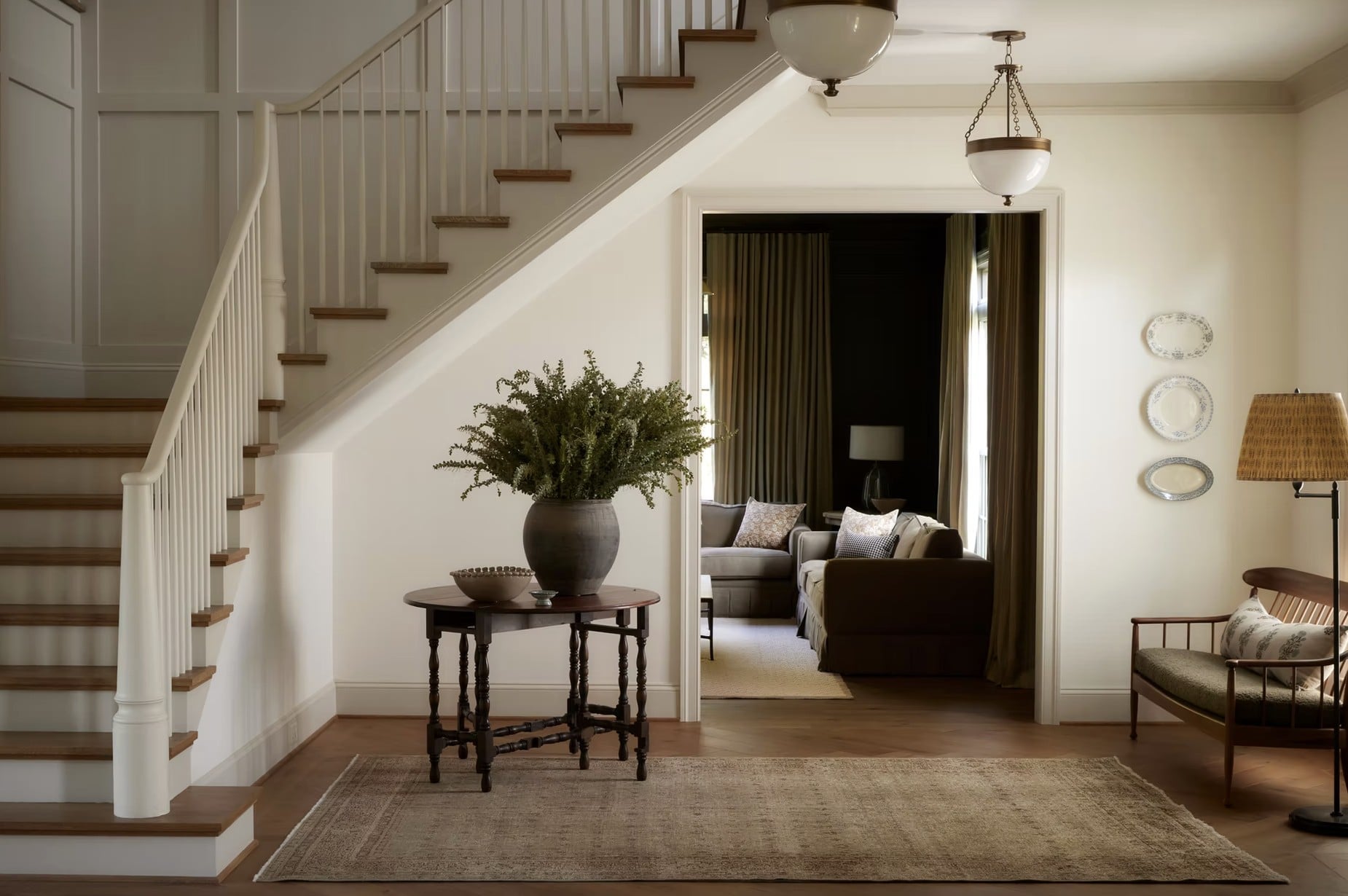
Darker, richer colors naturally create a cozier atmosphere. Alena Capra, Owner and Principal Designer at Alena Capra Designs, notes a trend toward deeper hues like forest green, navy, and merlot.
“Warm neutrals work beautifully, but I’m also seeing homeowners gravitate toward deeper, moodier hues like forest green, navy, and merlot.”
Pairing these colors with natural stone or dramatic veining further enhances the inviting feel. Upholstered seating or built-ins also contribute warmth through texture.
Personalize with Thoughtful Details
A truly warm home feels intentional and personal. Small touches make a big difference. Jamison recommends personalized details like handwritten place cards, tied napkins, or small treats for guests.
This prevents a sterile or unoriginal feel, making visitors (and yourself) feel more welcome. Even simple hardware swaps can keep a space feeling current and warm as your style evolves.
Work With Your Home’s Architecture
Rather than fighting a home’s existing features, designers recommend enhancing them. Whether it’s arched doorways, trim, or exposed beams, soften the natural architecture with complementary design choices. Capra suggests built-in seating, integrated shelving, or rich textures to achieve this.
“It’s not just about color, it’s about combining materials in a way that feels personal, inviting, and lived in.”
Focus on furniture that’s scaled to the room and embraces unique architectural details.
Avoid the All-White Trend
The all-white aesthetic, while clean, can feel sterile and unwelcoming. Designers advise against it if warmth is the goal. Instead, use accent colors and organic materials to evoke personality and connection.
Jamison recommends abandoning stark white in favor of bolder, darker shades that feel more natural and inviting. The key is to move away from cold minimalism and toward a more lived-in, tactile experience.
Conclusion: Creating a warm home doesn’t require expensive renovations or cranking up the heat. Simple design tweaks—layering materials, embracing darker colors, personalizing details, working with architecture, and avoiding sterile white spaces—can make all the difference. These changes create a space that feels inviting and cozy without altering the thermostat.