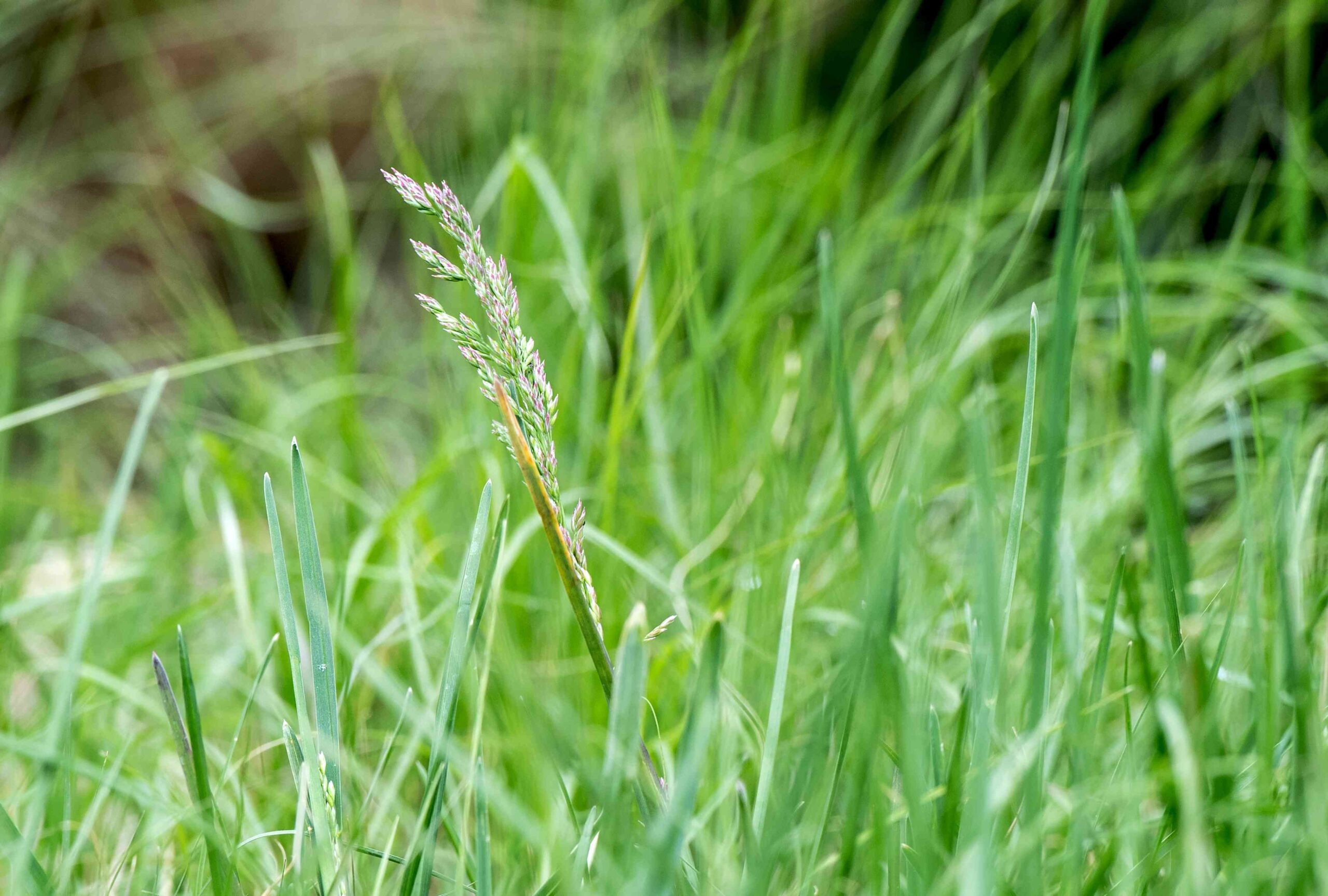
The traditional green lawn is a cultural icon, symbolizing order and prosperity. However, it is also a resource-intensive commitment, demanding significant water, fuel for mowing, and chemical inputs. For homeowners seeking to reduce maintenance, conserve water, or adapt to changing climate conditions, several viable alternatives exist.
These options range from living ground covers that mimic the look of grass to inorganic landscapes designed for durability. Below is an analysis of ten popular alternatives, detailing their benefits, drawbacks, and specific care requirements.
1. Clover (White or Microclover)
Clover offers the closest visual approximation to a traditional lawn without the associated high-maintenance demands. Microclover features smaller leaves and fewer flowers, providing a finer texture, while white clover has larger leaves and prominent white blooms.
Why it matters: Clover is a legume, meaning it fixes nitrogen in the soil, naturally fertilizing itself. It stays low (2–8 inches), reducing mowing frequency significantly.
- Pros:
- No fertilizer required; self-sustaining.
- Can be overseeded into existing lawns for a transitional effect.
- Easy to install via direct seeding.
- Cons:
- Poor shade tolerance.
- Leaves green stains on clothing and skin.
- Attracts bees and other pollinators (a pro for ecology, a con for barefoot families).
- Care:
- Water deeply but infrequently.
- Pull weeds by hand; avoid chemical herbicides which will kill the clover.
- Overseed thin spots to maintain density.
2. Moss
Moss creates a lush, emerald-green carpet that remains perpetually fresh-looking. It is particularly effective in shady areas where traditional grass struggles.
Why it matters: Moss is ideal for sustainable landscaping in low-light zones. It requires zero mowing and thrives in poor soil conditions, eliminating the need for fertilizers.
- Pros:
- Never requires mowing; maintains a uniform height naturally.
- Excellent for slopes and hillsides, preventing erosion.
- Thrives in shade and acidic or poor soils.
- Cons:
- Intolerant of direct sunlight and high-alkaline soil.
- Cannot withstand heavy foot traffic; it will mat down and die.
- Requires consistent moisture; may dry out in arid climates without misting.
- Care:
- Avoid weed killers; remove intruders manually.
- Use a mister or sprayer to refresh dry patches.
- Clear fallen leaves regularly to ensure sunlight reaches the moss layer.
3. Ground Cover Plants
This category includes a diverse range of perennials that spread horizontally to cover large areas. Examples include Creeping Wire Vine, Blue Rug Juniper, Iceplant, and Common Periwinkle.
Why it matters: Ground covers offer design flexibility, allowing homeowners to choose plants based on flower color, drought tolerance, or texture. Their dense growth habit naturally suppresses weeds.
- Pros:
- Dense foliage blocks weed growth.
- Perennial nature means roots survive winter dormancy.
- Low maintenance once established.
- Cons:
- Some varieties can become invasive or “scrappy” looking when dormant.
- Risk of root girdling if planted too closely to tree trunks, potentially strangling the tree.
- Care:
- Trim back growth around tree bases annually to prevent girdling.
- Apply mulch to control weeds in sparse areas.
- Thin out dense patches to improve air circulation and prevent disease.
4. Buffalo Grass
A native warm-season grass, Buffalo grass grows in dense, shallow clumps (4–6 inches high). It is renowned for its deep root system, which can extend up to six feet underground.
Why it matters: This is a top choice for erosion control and drought resilience. Its deep roots anchor soil effectively on slopes, making it superior to traditional turf in unstable terrain.
- Pros:
- Extremely drought-tolerant due to deep root structure.
- Minimal mowing required.
- Excellent for natural soil stabilization.
- Cons:
- Grows in distinct clumps rather than a uniform carpet, resulting in a more rustic, less manicured appearance.
- Requires sunlight; may struggle under heavy tree canopy.
- Care:
- Prune surrounding trees to allow sunlight penetration.
- Apply nitrogen fertilizer in late spring and July.
- Water deeply (1–2 inches) every 2–4 weeks during summer droughts.
5. Artificial Grass
Synthetic turf has evolved to closely mimic the look and feel of natural grass, with varied blade shapes and colors. It is widely used in sports fields and residential landscapes alike.
Why it matters: Artificial grass eliminates water usage entirely. For homeowners in water-restricted areas or those who desire a perfect green lawn year-round without maintenance, it is a compelling option.
- Pros:
- Zero mowing, watering, weeding, or fertilizing.
- Consistent green color regardless of season or weather.
- Durable and made partially from recycled materials (tires, carpeting).
- Cons:
- High initial installation cost; professional installation is recommended.
- Retains heat, becoming significantly hotter than natural grass in summer.
- Potential environmental concerns regarding crumb rubber infill leaching chemicals.
- Care:
- Rake out organic debris to prevent weed growth and odors.
- Hose down occasionally to remove dust and pollen.
- Clean stains with warm water and mild detergent.
6. Sedge (Carex)
Sedge is a perennial grass-like plant that spreads via rhizomes (underground stems). Popular varieties include Japanese Sedge and New Zealand Sedge.
Why it matters: With over 2,000 varieties, sedge offers adaptability to both wet and dry soils. Its rhizome network creates a tough, traffic-resistant mat below the surface.
- Pros:
- Highly versatile; thrives in varied soil moisture levels.
- Resilient to foot traffic due to strong root mat.
- Offers diverse color options, including copper and brown tones.
- Cons:
- Most varieties have a fluffy, unruly texture that does not resemble a manicured lawn.
- Some types can grow tall if not maintained.
- Care:
- Plant densely to encourage ground cover.
- Maintain in partial sun or shade.
- Cut back by up to 50% in early spring to rejuvenate growth.
7. Carpetgrass (Blanket Grass)
Carpetgrass is a creeping perennial that forms a tight, mat-like layer. It is slow-growing, taking several seasons to fully establish.
Why it matters: While it offers the look of traditional turf, it is hardy and tolerates difficult soil conditions better than many standard grasses. However, it does not eliminate the need for mowing.
- Pros:
- Forms a dense, weed-suppressing mat.
- Hardy and adaptable to challenging growing conditions.
- Cons:
- Requires frequent mowing (up to once a week in summer), negating one of the main benefits of lawn alternatives.
- Slow establishment period.
- Care:
- Plant in moist (not waterlogged) soil.
- Use minimal fertilizer; nitrogen can help initial establishment.
- Grows well in full sun to moderate shade.
8. Sedum (Stonecrop)
Sedums are succulent perennials known for their low profile and drought resistance. With nearly 500 varieties, including White Sedum and Japanese Stonecrop, they offer significant variety.
Why it matters: Sedums are ideal for xeriscaping (dry landscaping). They thrive in rocky, dry conditions where grass would die, and many varieties are deer-resistant.
- Pros:
- Extremely drought-tolerant; requires little to no watering.
- Low-growing habit reduces mowing needs.
- Many varieties resist deer browsing.
- Cons:
- Flowering varieties (e.g., Angelina Stonecrop) are fragile and cannot handle foot traffic.
- May look sparse if not planted densely.
- Care:
- Plant in full to partial sun.
- Water sparingly, only during extreme drought.
- Trim back after flowering to maintain shape.
9. Xeriscape
Xeriscaping is a landscaping philosophy rather than a single plant. It combines drought-tolerant plants (cacti, succulents) with inorganic elements (rocks, gravel, mulch) to create a water-efficient landscape.
Why it matters: This approach drastically reduces water consumption and eliminates the need for chemical treatments. It is the gold standard for sustainable landscaping in arid regions.
- Pros:
- Eliminates irrigation needs once established.
- No chemicals required; naturally pest-resistant.
- Plants rarely brown due to high drought tolerance.
- Cons:
- Can appear “bare” or austere if not designed carefully.
- Not suitable for areas requiring heavy foot traffic (rocks and cacti deter walking).
- Initial conversion cost can be high ($2.50–$5 per square foot to remove existing turf).
- Care:
- Remove all existing turfgrass before installation.
- Weed consistently, especially in the first year.
- Water in the morning to minimize evaporation if supplemental water is needed.
10. Gravel (Pea or Crushed)
Gravel is an inorganic, non-living lawn alternative. Pea gravel consists of small, rounded stones in various colors, while crushed gravel is angular and gray.
Why it matters: Gravel offers the lowest maintenance option available. It is durable, permeable, and capable of supporting vehicle weight, making it suitable for driveways or high-traffic zones.
- Pros:
- DIY-friendly installation.
- Extremely durable; supports foot traffic and vehicles.
- Long-lasting with minimal upkeep.
- Cons:
- Not “zero maintenance”; weeds can penetrate landscape fabric over time.
- Pea gravel shifts and scatters easily; crushed gravel holds place better.
- Lacks the softness and aesthetic warmth of living plants.
- Care:
- Install on a base of landscape fabric to suppress weeds.
- Rake periodically to redistribute pea gravel.
- Remove weeds manually as they appear.
Conclusion
Choosing a lawn alternative is not just an aesthetic decision; it is a functional one that impacts water usage, maintenance time, and ecological footprint. Whether you prioritize the lush look of clover, the drought resilience of xeriscaping, or the durability of gravel, the right choice depends on your climate, soil conditions, and intended use of the space. By moving away from traditional turf, homeowners can create landscapes that are not only beautiful but also sustainable and manageable.