Accuracy is more than just a recommendation in home repairs. This is the difference between a properly installed shelf and one that is slanted and hanging. You can’t customize it to your liking. You need the right measuring and marking tools to take the guesswork out of hanging paintings, building walls, or creating custom furniture.
If it is not accurate, the material is a waste of money. Time is wasted. Using the right tools ensures the accuracy of any cut or drill. Here’s what you need in your kit:
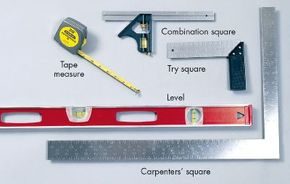
Tape measure: the foundation of any project
Length, width and height are all within reach with this basic strip. Measured in inches and centimeters. You can catch almost anything. From decorative molding to plasterboard panels.
Look for tape with a durable blade. It must be stretched without its shape. The locking mechanism is useful when you are working alone. You don’t want the tape to snap back into the housing when you mark the wall.
Square: Ensure right angles
Straight edges are important. Right angles are more important. Square is a tool for checking both.
Use this to make sure the cut is really 90 degrees. This is important when installing the cabinet. This is also important in tile work. On large surfaces, the degree differences add up. This causes uneven and unsightly grout lines. Combination blocks and speed blocks are effective. Keep them side by side.
Level: Keep it real
Small bubbles indicate whether something is horizontal or vertical. When installing heavy objects, the level is non-negotiable. shelf. mirror. TV.
If the bubble is not in the center, the installation fails. This also applies to vertical columns. A plumb line or level check ensures that the wall studs are aligned. Do not skip this step. Gravity doesn’t care about your effort.
Chalk line: a long straight line
Need a long, straight reference line? Draw a line with chalk.
Pull the string to the surface. Lime dust was released from it. The dust immediately forms a guide. Handy when installing the floor. Useful for marking cut lines on large pieces of plywood. The lines are straight. It is very fast. It remains visible until you delete or crop it.
Stud Finder: Find hidden structures
The studs are hidden behind the plasterboard. they are hidden. But you have to find them. Stud Finder tracks them for you.
This device detects density changes behind the wall. Shows exactly where the stud is. This is important when hanging heavy objects. Drywall alone cannot support a large television or a heavy mirror. You need an anchor for the stud. Some modern detectors have deeper detection zones. If you have thick walls or multiple layers of drywall, check the specifications.
Plan the cuts and drillings
Measuring and marking is only the first step. Once you know where you want to go, you have to execute. This means planning the cutting, drilling and painting.
You need to choose the right material for the job. plywood? hardwood? Drywall? Each requires a different treatment. Brackets are required. screw. nail. anchor. These gadgets combine materials. They keep everything in place. know where to drill