An adjustable wrench is one of those tools you swear by until you need a socket set. Also known as a crescent wrench or adjustable spanner, it’s the Swiss Army knife of fasteners. You don’t need a specific size for every nut in your toolbox. Just this one piece of metal.
It works by sliding a jaw over a bolt. A small screw at the head moves the jaw to match the width of the nut. Most hardware stores stock them in 6-inch, 8-inch, and 10-inch lengths. Pick the bigger one for heavy-duty jobs. The extra leverage helps when a bolt is stuck. You’ll use it for car repairs, bike maintenance, or plumbing. It’s versatile. But it’s not perfect.
Here is exactly how to use it without stripping your bolts.
Setting the Jaw
Find the nut. Look at it closely. You need to match the wrench to the fastener.
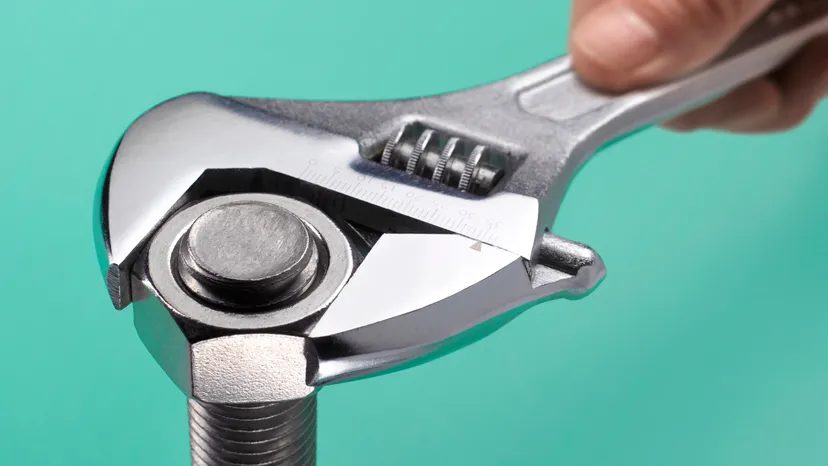
Turn the screw at the head of the wrench. This opens the movable jaw. Open it slightly wider than the nut’s width. Don’t force it. If it’s too tight, you’ll round off the edges. If it’s too loose, the wrench will slip. Slipping is dangerous. It can cause hand injuries or damage the tool.
Slide the open jaw over the nut. It should fit snugly. The jaws should contact the flats of the nut. Not the corners. Contact points matter.
Tightening and Loosening
Once the jaw is seated, tighten the screw mechanism. You want a secure grip. The wrench should not wobble.
Now, apply force. Turn the handle clockwise to tighten the nut. Turn counter-clockwise to loosen it. Use steady pressure. If the nut is stuck, don’t jerk the wrench. Sudden force can snap the cheap steel in the jaw.
Keep turning until the nut is secure. Or until it comes free. If you are removing a bolt, keep the wrench on it until it’s completely unscrewed.
Finishing the Job
Remove the wrench. Loosen the screw mechanism first. Pull the tool away from the nut. Store it with the jaw slightly open. This prevents the threads from seizing up over time.
An adjustable wrench is essential for quick fixes, but it lacks the precision of a fixed-size wrench. Use it for versatility, not for final torque.
Maintenance and Limits
How do you keep it working for years? Keep it clean. Wipe off grease and dirt. The screw mechanism needs to move smoothly. A drop of oil on the threads prevents rust. Rust makes the adjustment stiff or jammed.
Can you replace your entire wrench set with just one adjustable wrench? No.
Fixed wrenches offer a precise fit. They don’t slip. They handle higher torque without bending. An adjustable wrench is a backup. It’s a convenience. It’s not a substitute for the right tool. Use it when you’re missing a size. Use it for odd-shaped bolts. But for critical automotive or plumbing work, a proper socket or fixed wrench is safer.
You’ll likely end up with a few sizes in your drawer. 8-inch is the standard sweet spot. 10-inch for stubborn bolts. 6-inch for tight spaces.
The next time you’re stuck with a round-off-prone nut, check your jaw fit. And tighten that screw.