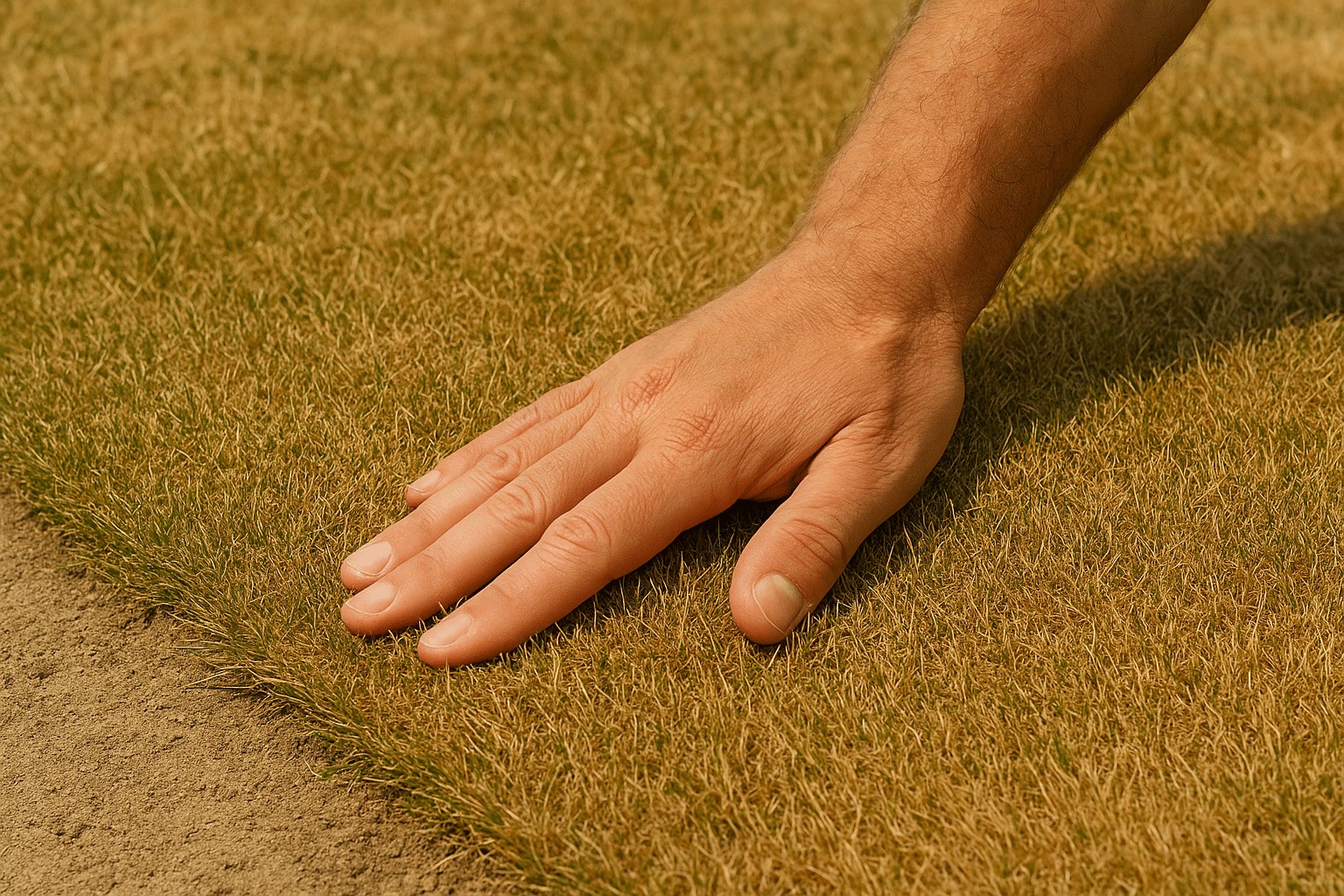
You are staring at that patch of bare dirt, maybe a new driveway was pulled, or maybe the old sod just gave up. June is here. For amateur gardeners, this month marks a hard deadline. If you haven’t sown your lawn yet, you are likely out of luck for the season.
The heat is coming. Not just warm days, but the kind of sustained heat that cooks soil and bakes seeds before they can even sprout. If you push past this window, you are gambling. And it is not a good bet. Most experts say if you miss June, wait for September. Trying to force it in July or early August usually ends with bare spots, weeds, and frustration.
Why the June Deadline Matters More Than You Think
Soil temperature drives everything here. Grass seeds need consistent moisture and mild temperatures to germinate. Once the ground hits the high 20s Celsius (or low 80s Fahrenheit), evaporation rates spike. You might water, but the soil dries out too fast. The seeds rot in the top layer of dirt because they get baked on the surface while the deeper soil stays dry.
This is where timing fails most people. They think “I have a sprinkler, so I can water it.” You can. But you have to water deeply and frequently, often twice a day, just to keep that top inch of soil moist. It is labor-intensive. It is risky. One heat wave and you are done.
The Risks of Sowing During Peak Heat
If you insist on trying in late June or July, here is what goes wrong:
- Germination failure: Seeds do not sprout because the soil is too hot.
- Pre-emergent weed invasion: Crabgrass and other weeds love the same heat you are fighting. They will race your grass to the surface.
- Water waste: You are hauling gallons of water just to keep the soil surface damp, and you are paying for it on your bill.
- Weak seedlings: Even if a few sprout, they emerge into scorching sun with no root system. They die.
It is not a battle you win easily. It is a battle most people lose.
How to Prepare for a September Reseeding
If you missed June, do not panic. September is actually the best time to seed lawns in many climates. The soil is still warm from summer, but the air is cooling down. Days are shorter, reducing evaporation. It is a natural advantage.
Here is how to get ready:
- Clear the site now: Remove any dead grass, debris, or existing weeds. You want a clean canvas.
- Amend the soil: Mix in compost or topsoil if your ground is compacted or poor. Do this in summer so it settles before September.
- Kill existing weeds: Use a non-selective herbicide if you have aggressive weeds. Let it break down.
- Wait for the rain: September often brings the first reliable rains of the season. Time your seeding just before a rainy spell if possible.
Tools and Materials for Success
You do not need fancy equipment. You need consistency.
- Seed spreader: A rotary spreader is better for small areas
The hard stop: why late June is the deadline for new lawn seeds
You are looking at the absolute last window. Sowing grass seed in late June is not a casual task. It is a high-stakes operation. If the soil temperature is not cool enough, or if the humidity drops, those tiny seeds will not sprout. They will bake in the dirt.
The sweet spot for germination is March through June, or September through October. Why? The ground is warm enough to wake up the seed, but not hot enough to kill it. By the time you hit July, you are outside the safe zone. The sun is relentless. Evaporation happens fast. The top layer of the soil dries out before the roots can even think about going down.
If you sow in June, you are betting on two things: that the weather stays mild, and that you have the time to water like it is your job.
What happens to young shoots in the summer heat
Young grass is fragile. It has no defense against drought. If the soil surface dries, the seed dies. If it sprouts, the first leaves are too weak to handle foot traffic or a dry spell.
You face a water stress problem. The sun beats down, the moisture vanishes, and the soil cracks. Without constant, heavy watering, you are not growing a lawn. You are growing a graveyard of dead seeds. And the weeds? They are waiting. Summer weeds love bare, dry soil. They will move in faster than your grass can establish.
Why September is the smart move if you missed June
Did you miss the May and June windows? Good. Stop thinking about it. Wait for September.
September is the secret weapon. The air cools down. The rain returns. The soil is still warm from the summer heat, which helps the seeds germinate quickly. But now, the conditions are gentle. The plants have time to put down deep roots before winter hits.
Here is the comparison:
- June Sowing: Requires daily watering (morning and evening), high risk of drought, high risk of weed invasion.
- September Sowing: Natural rain does the work, cooler temps protect the sprouts, established roots survive the first frosts.
A lawn started in September is ready to go in spring. A lawn started in late June is a gamble that often fails.
How to prep your soil right now (while you wait)
Do not just sit there. Use the summer to get the ground ready. This is where the real work happens, and it is hands-on.
- Clear the debris. Pull out any remaining summer weeds. Do not let them go to seed.
- Aerate and rough up the soil. Use a rake or a garden fork to break up the top layer. You want a loose, crumbly seedbed. Compacted soil blocks roots.
- Amend the earth. Check your soil type.
- If it is heavy clay, add sand to help drainage.
- If it is sandy, add compost to hold moisture and nutrients.
- Spread the material evenly, about 2-3 cm thick, and rake it in.
This preparation is non-negotiable. You cannot fix bad soil later. You fix it now.
Choosing the right seed for your actual life
Before you buy, think about what you actually need. “Lawn” is a vague word. What is the space for?
- Play area? Kids are running around? You need a mix that is resistant to trampling. Look for hardy fescue or ryegrass blends.
- Aesthetic garden? You want color and texture? Look for ornamental mixes or even a wildflower lawn for a prairie look.
- Standard green carpet? Go for a standard turf mix with a focus on density.
Do not buy what looks pretty in the bag. Buy what fits your usage. A delicate, showy grass will die under a soccer ball. A tough, ugly grass will survive the dog.
The trap: why “just this once” is a bad idea
It is tempting. The day is beautiful. The sun is out. You think, “I will just do it now.”
Do not.
A failed sowing in July costs you more than a delayed sowing in September. You lose the money for the seeds. You lose the water. You lose the effort. And when the new lawn fails, you have to start over in the fall anyway. It is double work for the same result.
Plus, a lawn forced into bad conditions is weak. It will be sparse. It will be sick. It will be a headache for the rest of the year.
The bottom line
Late June is the last door. If you are not ready to commit to daily watering and strict temperature monitoring, close the door.
Use the summer to prep the soil. Buy the right seed. Wait.
Patience is not laziness. It is strategy. Your lawn will be thicker, healthier, and more beautiful in the spring if you start in September. Let the heat peak pass. Let the rain return. Then, sow with confidence.