Wainscoting has survived centuries of changing trends. It started as practical oak paneling in Britain. Now it fits just about any style. You can put it in a dining room. You can put it in an entryway.
It is often sold as an easy weekend project. That is partly true. It is also cheap compared to other upgrades. You are dressing up a bare wall with wood. Or MDF. Or even PVC these days.
But before you buy a miter saw, you need to know what you are building.
What Is Wainscoting?
The word is old. It dates back to the 14th century. Originally, it meant a specific grade of fine oak. By the 1500s, it became a verb. To wainscot a room meant to line it with boards.
The root is Middle Dutch. Wagenschot. It translates roughly to “wagon partition.” The wood used for wagons was likely the same wood used for walls.
Today, the term covers paneling on the lower part of an interior wall. It protects the drywall. It hides scuffs. But mostly, it breaks up the visual space.
“It doesn’t really have a function these days; it’s more visual. Over the years, it’s become more of a decorative thing.”
— Bill Musso, President of Musso Design Group
The Arts & Crafts movement loved it. Modern minimalism likes it too. It never really left. It just evolved.
Protecting Your Walls
Sure, it looks good. But it works too.
Musso points out that wainscoting saves walls in high-traffic zones. Think hallways. Stairwells. Entryways.
Kids run through there. Grocery carts bump them. Chairs scrape them.
If you have sticky fingerprints on your paint, you need a shield. Wainscoting is that shield. It takes the damage so your plaster doesn’t have to.
Wainscoting vs. Chair Rail Molding
People confuse these two. They are not the same.
Chair rail molding is just a strip of wood. It runs along the wall. It can float solo. It can act as the top border for a wainscot panel.
In a dining room, you often see both. The panels cover the lower wall. The chair rail sits on top. It stops chair backs from destroying the paneling itself.
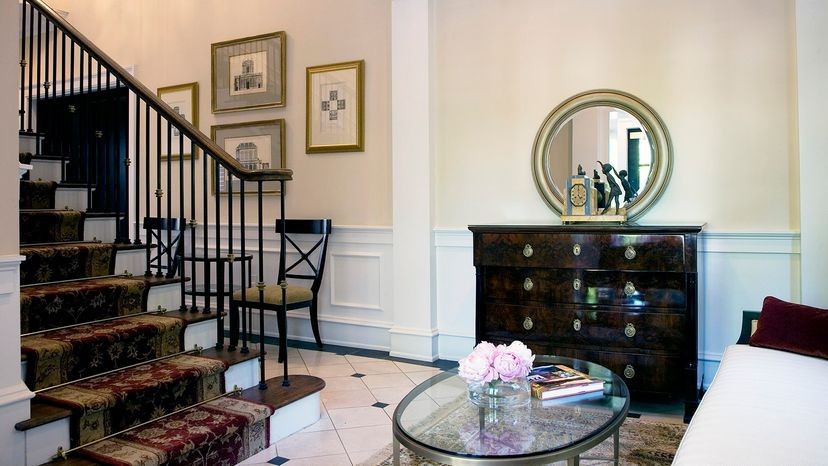
You can add baseboards at the bottom. Cap molding at the top. It creates a frame. A finished look.
Choosing the Right Style
So where do you start?
The style depends on your house. And your budget. And your skill level with a nail gun.
There are several ways to approach the installation. Traditional raised panels take time. Beadboard is faster. Shaker style is a middle ground.
Which one fits your space? That depends on the height. And the room.
Choosing the Right Wainscoting Style
The market for wainscoting styles has exploded beyond the tired oak paneling of the 1970s. You aren’t locked into a single aesthetic anymore. Designer Musso notes that you can lean into traditional, heavily carved Art Deco motifs. Or you can strip it back to linear, geometric lines for a modern look. This adaptability is exactly why wainscoting has stayed relevant for so long.
In contemporary spaces, the profile is clean. Simple. Uncluttered.
The materials have changed too. Solid wood is still an option. But now you have medium-density fiberboard (MDF). Plywood. Metal. Glass. Even intricately shaped PVC panels.
Beadboard wainscoting remains a top contender. It uses narrow vertical planks with distinct vertical grooves. This adds texture and visual height to a room without overwhelming it.
Flat panel wainscoting goes the opposite direction. Smooth. Unembellished. It suits contemporary interiors that favor sleek lines over decorative fuss.
Then there is overlay wainscoting. This isn’t traditional recessed paneling. You apply flat panels directly over the existing wall surface. The result is a decorative, textured look that sits on the wall rather than in it. It provides a distinctive visual effect that standard molding can’t match.
Raised panel wainscoting is the classic choice. Framed panels sit on the lower portion of the wall. Homeowners often install this in dining rooms or entryways. It adds sophistication. And practically, it protects the wall from scuffs and chair backs.
Shiplap is another heavy hitter. Long wooden planks mount horizontally. This style gained massive popularity thanks to Chip and Joanna Gaines on HGTV’s Fixer Upper. It fits perfectly into farmhouse-style homes.
“There are so many different directions,” Musso says. “Whatever you can think of, people are doing it. It used to be one thing, and now it can be many things.”
How to Install Wainscoting
Installation isn’t just about nailing boards to drywall. It’s about precision. And prep.
The method depends heavily on the type of wainscoting you chose.
If you are using beadboard or shiplap, you are likely dealing with individual planks. Measure twice. Cut once. Use a level. A single crooked board ruins the whole look. Nail the first board into the wall studs. Subsequent boards lock into or nail alongside the first. Caulk the seams if you want a painted, monolithic look.
For overlay styles, you aren’t recessing panels. You are building a frame and attaching it to the wall. Start with the chair rail—the horizontal cap that defines the top of the wainscoting. Secure it level. Then install the vertical stiles and horizontal rails to create the frames. Finally, fit your panels (MDF, wood, or PVC) into those frames.
Safety first. Wear eye protection when cutting. Use a dust mask. MDF dust is nasty. And if you are working in a pre-1978 home, check for lead paint before sanding anything.
The goal is a tight fit. Gaps look amateurish. Use shims to ensure boards sit flush against uneven drywall.
It’s tedious work. But the payoff is a wall that feels finished. Intentional. Protected.
You don’t need a professional to hang wainscoting. If you’re willing to put in the work, it’s one of the most cost-effective ways to upgrade a room. But don’t let the “easy” label fool you. As expert Musso points out, you still need actual knowledge of cutting and installing. The goal is a clean, panel-attached look, but the steps to get there are specific.
Choosing Your Style and Materials
Picking a style is like choosing cabinet doors. If you want traditional raised, flat, or overlay panels, you’re looking at a multi-element project. You’ll be working with moldings, rails, stiles, and panels. These pieces need to be applied in a precise pattern.
Even if you plan to paint everything, seal the wood before installation. Do the front and back. This guards against contraction and expansion issues down the line.
Dealing with Imperfect Walls
Old houses are rarely square. Your walls might be out of plumb. You can still install wainscoting, but you have to compensate for the lack of levelness during the job.
For uneven surfaces, use horizontal filler strips. Fix the wobble. If your floor is undulating, measure the chair rail height from the highest point of the floor. Shim the baseboards to match. It’s about working with the house, not against it.
Beginner-Friendly Options
If standard carpentry feels like too much, you have options. Ready-made panels are everywhere. Beginners can buy wall cladding in sheets. You can use MDF or light fiberboard. Cut them to size and mount them.
“It’s a lot easier than it used to be,” Musso notes. Contemporary designs also allow for materials that are less finicky to work with.
Check YouTube tutorials. Rent a nail gun to make the physical installation less demanding. It saves your back and speeds up the job.
Cost vs. Investment
Throwing in the towel and hiring an installer spikes the cost. Average installation runs in the thousands. But for a DIYer, the material savings are huge. It remains a sensible investment. The style lasts for years.
FAQs
What is the purpose of wainscoting?
It covers the lower portion of the wall. While it adds protection for paint and plaster, its main role is visual interest.
What does wainscoting mean?
It’s the process of lining the lower wall area with wooden panels. Use it in one room or the whole house.
Is wainscoting expensive?
Costs vary by location and material. Prices can go up to $40 per square foot for professional work.
Can you do wainscoting yourself?
Yes. It’s not as complicated as it looks. DIY kits exist for beginners.
Is wainscoting outdated?
Not if done right. The right approach keeps it modern and fresh.