Spring is here. The stores are full. The online carts are filling up fast. It feels good to refresh the space. But there is a trap.
Cheap trends promise a total makeover for pennies. They look great in photos. They disappear from reality in weeks.
Ceding to “express decor” might seem harmless in March. It ends up devaluing your entire home’s atmosphere. Instead of buying trinkets that lose their luster by May, you need to identify what drains your budget. You need choices that last.
Here is how to spot the pieces that secretly impoverish your living space. This guide helps you orient a limited budget toward items that survive the years.
The Trap of Fast Furniture and Poor Quality
The temptation hits hard during spring promotions. A bright accessory here. A quirky lamp there. The cart fills up before you realize the cost.
The problem is not the price. It is the quality.
These objects are mass-produced to please instantly and be replaced next year. “Affordable” decor wears out prematurely. The finishes are rough. The paint chips at the slightest touch. The glues fail.
Even in the tidy room, this clutter creates visual exhaustion. It does not add character. It adds noise.
Why New Plastic and Fake Plants Drain Your Energy
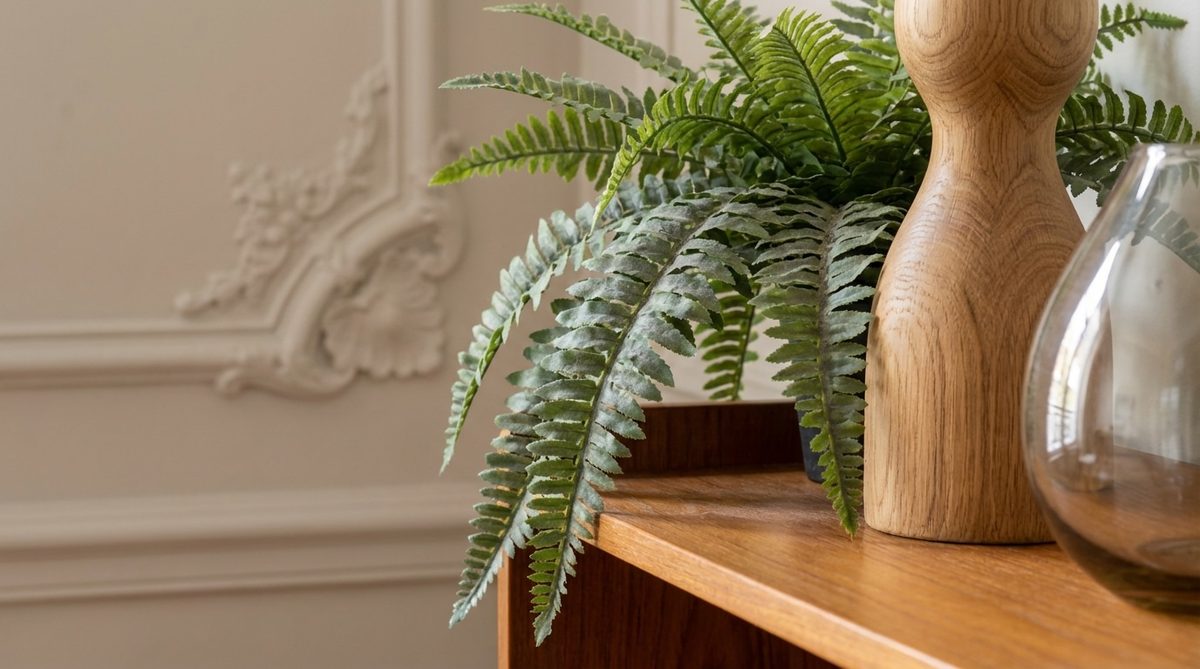
The worst offenders are shiny new plastic and artificial greenery. A fake succulent? A synthetic vine? They promise low maintenance.
The reality is harsh.
These imitations lack life. They attract dust aggressively. They tarnish the energy of a room immediately. Using new plastic contributes directly to overconsumption. It offers a cold result. This is the opposite of a warm, calming interior.
An authentic cutting from a friend’s plant is always more elegant. It has history. It breathes.
The Eye-Strain of Cheap LED Lights
Light defines an evening. Bad light ruins it.
Cheap LED lamps and gadget strings often sabotage relaxation. Low-quality components emit light that is too harsh. Too blue. Or worse, they flicker subtly. This flicker exhausts your eyes. It exhausts your family.
A successful ambiance requires soft, modulated, enveloping light.
Peel-and-stick LED strips behind a TV or under a shelf look cool on Instagram. In reality, they detach quickly. They leave dangling wires. These wires destroy any decorative effort you made.
The Mirage of Disposable Design
Fast decor excels at visual deception. Through a screen or under store lights, these creations look chic.
Place them on your sofa table. The magic dies.
Baubles and small furniture made from reconstituted materials reveal their weakness fast. Think particle board covered in paper that imitates marble. Or veneers that look like raw wood.
A small daily bump reveals the lie. The material crumbles. The coating peels off.
There is no aesthetic repair. There is no long-term renovation. It is trash waiting to happen.
Why Cheap Prints and Mirrors Devalue Your Walls
Wall treatment is crucial for personality. But it forgives no mediocrity.
Stacking posters printed on thin paper in flimsy composite frames gives walls a provisional look. It looks like a student dorm.
The same applies to bargain-bin mirrors. Their surfaces are often uneven. They distort perspectives. They throw back wavy, gondola-like reflections of your room.
Invest in one large, solid mirror. It illuminates the space. It enlarges the room. It does so with panache. A mosaic of wobbly objects achieves none of this.
The Hidden Burden of Non-Recyclable Clutter
Behind these compulsive purchases lies a heavier reality.
Avoid disposable decor. Avoid items that are hard to recycle.
These accessories are built from impossible assemblies. They are glued with industrial resins. They end up in a hallway closet. Then in the trash.
This consumption pattern weighs on your finances. You keep renewing the same low-quality items. It pollutes your living space.
Refusing this useless clutter frees up space. It frees up mental load.
Making Better DIY and Home Choices
So what do you do instead?
- Check the materials. If it feels too light, it is likely hollow. Avoid particle board for anything you touch daily.
- Test the finish. Rub the surface. If paint comes off on your finger, put it back.
- Look at the light. Turn on LEDs in a dark room. If your eyes burn, it is too harsh.
- Buy once, cry once. A single high-quality item beats ten cheap ones.
The goal is not to spend less. It is to spend smarter.
Your home should feel calm. Not chaotic. Not cold. Not provisional.
Start with the lighting. Replace one flickering bulb. Hang one real plant. Move one fake plastic vase to the curb.
See how the air changes.
The rest follows.
Stop buying cheap decor. It is exhausting. And expensive in the long run.
The secret to a serene house isn’t finding the latest trend. It is being radically selective. Instead of scattering a modest budget across dozens of small, disposable items, spend carefully on a few high-quality pieces. This shift changes everything. A space cleared of clutter is easier to clean. It breathes. It feels safe.
This isn’t just about aesthetics. It is a philosophy. Every object in your home should have a reason to exist. When you strip away the noise, your home becomes a sanctuary.
Identify your past decorating mistakes
Look at your living room today. Really look at it. What do you see?
Most people see impulse buys. Those small items that brought joy for three weeks and are now gathering dust. Check the quality. Have they faded? Peeling? Broken without much use?
Identifying these errors is powerful. It stops you from falling for the next marketing trap. You realize that quality always beats quantity. This realization saves money. It stops you from throwing your budget into the void.
Prioritize glass, certified wood, and natural textiles
To restore dignity to your home without going broke, focus on durability. Choose materials that age well.
Prioritize durable pieces made from glass, certified wood, metal, or natural textiles.
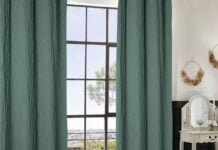
Think about it. A thick, translucent vase catches the light beautifully. A small solid wood table develops a patina over time. It gets better with age. Thick linen curtains transform a room instantly. They drape softly. They filter light gently.
Even artisanal ceramics matter. Their slight imperfections add character. They feel real.
By betting on these reliable materials, your style gains weight. Your home becomes a refuge. It improves with time. And your wallet stays healthy.
Why natural materials work better
You might wonder why you should bother with certified wood or pure linen. The answer is simple. They last.
Cheap particle board cracks. Synthetic fabrics pill and fade. But solid wood? It can be sanded and refinished. It has soul.
Glass is easy to clean. It doesn’t harbor dust mites like heavy carpets do. Natural textiles like wool, cotton, or linen are breathable. They regulate temperature. They feel good against your skin.
This is not just about looking good. It is about living better.
Avoid the fast-deco trap
Fast decoration is a trap. It promises quick beauty. It delivers regret.
When you buy cheap items, you replace them often. Each purchase costs money. Each disposal costs effort. The cycle never ends.
Breaking this cycle requires discipline. It requires saying no.
Say no to the shiny new thing. Say no to the discount rack impulse buy. Say yes to the piece that fits your space perfectly. The one that matches your existing furniture. The one that will still look good in ten years.
Practical steps for the DIY homeowner
If you are renovating or redecorating, start with the big items.
- Check certifications. Look for FSC-certified wood. It ensures the wood came from responsibly managed forests. It also usually means higher quality construction.
- Feel the weight. Heavy is usually good. A heavy glass vase won’t tip over. A solid wood table won’t wobble. Light items often feel cheap.
- Inspect the finish. Look for smooth edges. No splinters. No rough spots. Check seams on textiles. Are they tight?
- Consider maintenance. Can you clean this easily? Can you repair it if it gets damaged? Natural materials can often be fixed. Plastics usually cannot.
The long-term benefit
There is a peace that comes from owning less, but better.
Your home stops feeling like a showroom. It starts feeling like a home. A place where you can relax. Where you can think. Where you can be yourself.
The trends will come and go. They always do. But a well-made oak table will remain. A hand-thrown ceramic bowl will stay. Natural linen curtains will continue to filter the afternoon light.
These are the anchors. They hold your space together. They provide stability.
So, what will you choose? Will you chase the fleeting spark of a trend? Or will you invest in the quiet, enduring beauty of authentic materials?
The choice is yours. And it defines your home.