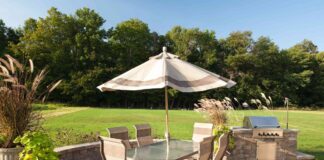
For years, synthetic grass was sold as the holy grail of lawn care. No mowing Sundays. No sky-high water bills. Just permanent, perfect green. But professional landscapers are now ripping it up in droves. Why? Because the very material that promised low maintenance is becoming a hazard when the temperature rises. The reality is far less glamorous than the brochure suggested.
Burning Surfaces and Unusable Yards
Step onto artificial turf in July and you will burn. The plastic blades absorb and retain intense heat, turning a supposed pastoral retreat into a frying pan. This isn’t a minor inconvenience. It’s a safety hazard.
Children cannot play on it during the day without risking burns to their feet. Pets suffer the same fate. The surface temperature can exceed air temperature by significant margins, rendering the backyard unusable during peak summer hours. The promise of a “zero-effort” garden collapses when you can’t even stand on it.
Creating Micro-Islands of Heat
The problem extends beyond the surface. Natural grass cools the air through transpiration. It breathes. Artificial turf does not. It acts like a thermal mirror, reflecting stored heat back toward the walls of your house. This exacerbates the urban heat island effect right in your backyard.
Unlike natural vegetation, synthetic lawns offer no thermoregulatory benefits. They trap heat during the day and refuse to release it at night, keeping your outdoor space stuffy and warm long after the sun has set. You aren’t saving energy; you’re fighting a hotter environment.
Ecological Dead Zones
Look closer at the installation. Beneath that green layer lies a woven geotextile barrier. This layer seals the soil. It asphyxiates the earth.
Earthworms cannot penetrate it. Micro-organisms that build healthy soil are locked out. The natural food web collapses. Without flowers or organic matter, pollinators like bees and butterflies have nothing to feed on. Birds avoid the area. The yard becomes a sterile desert disguised as a lawn.
Microplastic Pollution
No synthetic lawn lasts forever. UV rays, freeze-thaw cycles, and foot traffic degrade the plastic blades over time. As they break down, they shed microplastics.
These tiny, invisible particles are washed away by rain. They infiltrate the soil and eventually reach groundwater. What started as a cosmetic choice becomes a persistent environmental pollutant. The “low maintenance” label ignores the long-term cost to the ecosystem.
The Micro-Clover Alternative
There is a better way. A growing number of homeowners are switching to micro-clover. It is a natural, resilient alternative that thrives where synthetic grass fails.
Clover fixes its own nitrogen from the air, eliminating the need for fertilizer. It stays green during droughts when traditional grass goes brown. It withstands heavy foot traffic. And it requires significantly less water than conventional turf.
Most importantly, it doesn’t burn your feet. It doesn’t kill the soil. It doesn’t shed plastic into the groundwater. It just grows.
The trend is shifting. The question is whether you will wait until your yard is a heat trap before making the change.
Why synthetic ground covers are failing us
The heat is getting worse. We are seeing temperatures that feel less like summer and more like an oven. At the same time, biodiversity is collapsing in silence. Plastic pollution is choking the soil. The answer seems obvious.
Stop using synthetic turf.
Start using living ground covers.
This isn’t just about aesthetics. It is about survival. A garden covered in real plants creates a resilient ecosystem. It handles climate shocks better than plastic. It stays cool. It supports pollinators. Butterflies and wild bees return when you plant native species.
Plastic turf is a petrochemical product. It is derived from oil. It does not breathe. It traps heat. Your home gets hotter. The ground underneath dies.
A low-maintenance garden no longer means installing a green carpet from a hardware store. It means working with nature. Not against it.
The practical shift to resilient planting
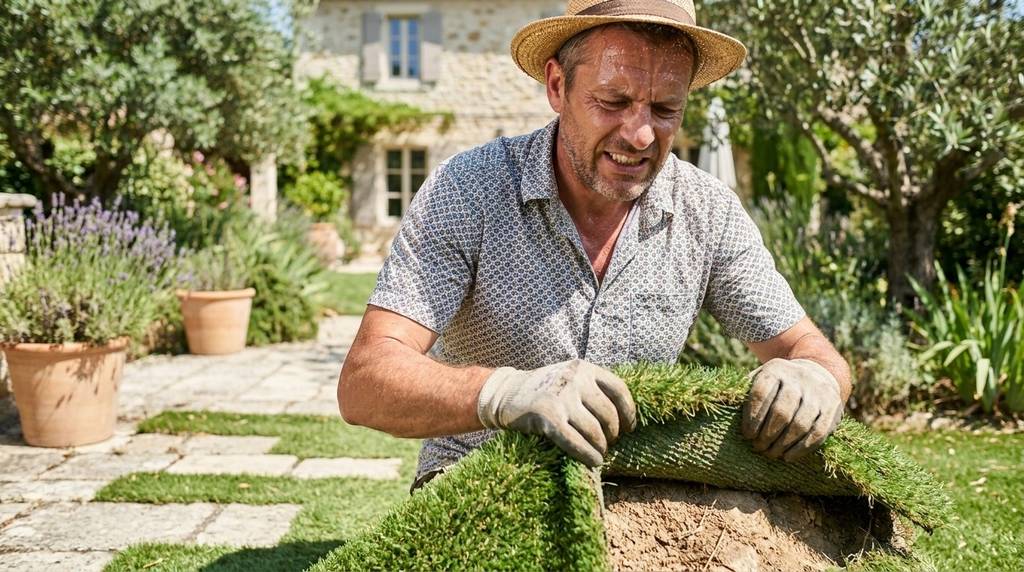
If you are a homeowner who rolls up your sleeves, this is your cue. Tear out the fake grass. Let the earth breathe. This could be your biggest project this week.
Here is how to make the switch without losing your mind:
1. Assess the damage.
Lay off the plastic. Scrape away the old adhesive. The soil underneath will be compacted. It needs love.
2. Choose the right plants.
Look for species that thrive in your local climate. Native plants are key. They require less water. They resist local pests. They support local wildlife.
3. Prepare the soil.
Add compost. Break up the hardpan. Make sure water can drain.
4. Plant densely.
Cover the bare earth quickly. This prevents weeds. It keeps the soil cool.
5. Maintain simply.
Water during the first year. After that, let nature take over. You will spend less time mowing. Less time weeding.
Why this matters for your home
Cooler summers are not a luxury. They are a necessity. Living ground covers provide genuine shade. They release moisture into the air. This creates a microclimate around your house.
You reduce your energy bills. You cool your home naturally. You help the planet. Small actions matter. Your plot of land can be part of the solution.
The choice is clear. Keep the plastic and suffer the heat. Or switch to plants and build a future that lasts.
Which path will you take this weekend?