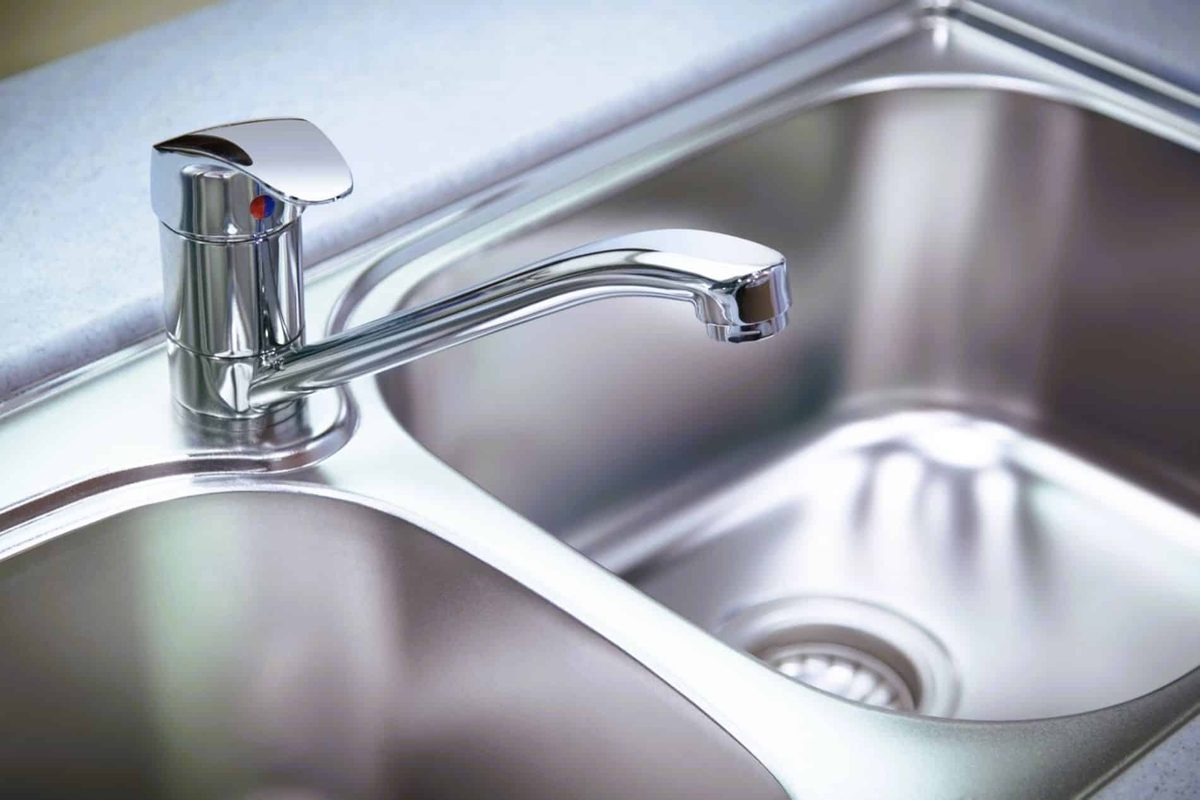
That stainless steel sink in your kitchen takes a beating. It is the workhorse of the room. You drop pots in it. You let food sit. You ignore the water spots until they turn into hard, white calcium rings. The shine fades. The surface looks dull.
It does not have to be that way.
You do not need harsh chemical cleaners to bring the metal back to life. In fact, those chemicals often damage the finish over time. There is a better way. It involves items you already have in your pantry. These are old-school methods that actually work. Here is how to get that mirror-like finish back without breaking the bank or harming the environment.
Why Stainless Steel Needs Specific Care
Stainless steel is popular because it is tough. It looks modern. It resists rust. But it has weaknesses.
The biggest enemy is water hardness. When water evaporates, it leaves behind minerals. These minerals build up. They create stubborn stains that standard soap cannot remove. Scratches also make the sink look dirty even when it is clean. Light catches those micro-scratches and scatters it. The result? A cloudy appearance.
Using the wrong tools makes it worse. Abrasive pads dig into the metal. Bleach eats away at the protective layer. You need gentle, effective solutions. Natural ingredients provide that balance. They cut through grime without scratching.
Use White Vinegar to Dissolve Hard Water Stains
White vinegar is cheap and acidic. Acids break down alkaline deposits like calcium. This makes it the first line of defense for dull sinks.
Here is the process:
- Mix equal parts white vinegar and warm water.
- Dip a soft cloth or non-abrasive sponge into the mixture.
- Wipe down the entire basin. Focus on the areas with visible white spots.
- Rinse thoroughly with clear water.
- Dry immediately with a clean towel.
Water left to air dry is what causes the spots in the first place. Drying the sink stops the cycle before it starts.
Use Baking Soda for Gentle Abrasion
Sometimes vinegar is not enough. You might have stuck-on food or greasy film. Baking soda adds a mild abrasive texture. It scrubs without gouging the metal.
Apply this method when the sink is dull:
- Sprinkle a generous amount of baking soda over the wet surface.
- Add a few drops of water to create a thick paste.
- Use a soft sponge to rub the paste in circular motions.
- Let it sit for a few minutes if the grime is heavy.
- Rinse and dry with a microfiber cloth.
This removes organic residues that vinegar alone might miss. It leaves the surface feeling smooth.
Use Olive Oil for a Protective Shine
Cleaning is only half the battle. You need to seal the surface to keep it looking new. Olive oil acts as a natural polish. It fills in microscopic pores and scratches.
After cleaning and drying the sink:
- Put a few drops of olive oil on a soft, dry cloth.
- Buff the entire surface of the sink.
- Pay extra attention to dull spots.
- The oil creates a thin barrier. This barrier repels water. It reduces future spotting.
This step makes the steel look wet and shiny. It also slows down the accumulation of new water marks.
Use Flour for an Unexpected Deep Clean
This one sounds strange. It works surprisingly well. Flour is absorbent. It can lift away fine dust and light stains when the sink is dry.
Try this for a deep refresh:
- Ensure the sink is completely dry and clean.
- Sprinkle a small amount of flour over the surface.
- Use a dry cotton ball or cloth to rub the flour in circles.
- The flour binds to the surface impurities.
- Wipe away the flour residue with a clean cloth.
It is a quick trick for when the sink looks dull but has no obvious stains. It restores luster instantly.
Use Carbonated Water for Daily Maintenance
You do not need a deep clean every day. For daily upkeep, carbonated water is sufficient. The tiny bubbles agitate the surface. They lift light dirt without friction.
- Pour a small amount of sparkling water into the sink.
- Wipe with a microfiber cloth.
- Dry if necessary.
This keeps the shine up between major cleanings. It is low effort and highly effective for maintaining the look.
Mistakes That Ruin Stainless Steel
Even with the best natural cleaners, you can still damage the sink. Avoid these common errors.
- Steel wool and scouring pads : These leave permanent scratches. Once scratched, the sink traps more dirt. It looks worse faster.
- Bleach-based cleaners : Chlorine is corrosive. It weakens the steel structure over time. It can cause pitting.
- Air drying : Letting water sit allows minerals to set. Always hand dry after use.
Keep It Looking New
Your stainless steel sink does not need expensive products. It needs consistency.
Use vinegar for calcium. Use baking soda for grease. Use oil for shine. Use flour for dust. Use sparkling water for daily touch-ups.
These methods are safe for the environment. They are safe for your health. And they protect your investment. A clean sink changes the feel of the whole kitchen. It feels sharper. Brighter.
Start with one method. See how the metal reacts. You might find that the old ways are the best ways. The shine returns. But it requires a habit. A small habit. Does it matter how small the habit is, if it keeps the steel bright for years?