


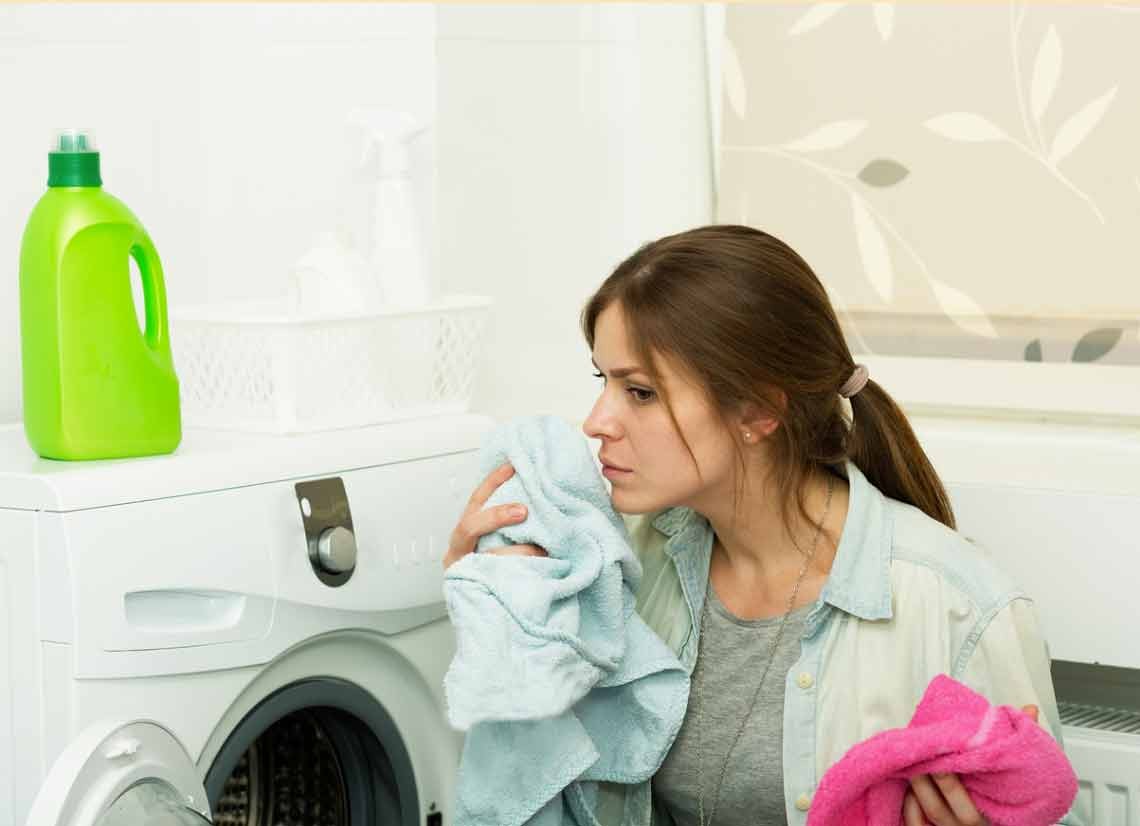
Clothes take too long to dry. They smell bad. Not fresh. Not clean. Musty.
That damp, earthy stink isn’t just a nuisance. It’s a biological event. Microscopic molds and bacteria have moved in. They’re thriving in the moisture trapped in your fabrics. Spraying perfume over it? Using scented dryer sheets? Useless. You’re masking the problem, not killing it. The rot stays. The smell comes back.
You need to kill the source. Not cover it up.
Here is how you actually get rid of that mildew smell from laundry without buying new clothes or a new dryer.
Why does laundry develop a mildew smell and how do you stop it?
It happens when wet clothes sit. Too long. In the drum. In the hamper. On the floor.
Moisture + Time = Mold.
Standard detergents clean dirt. They don’t always kill microbes. Especially in cold water washes. Or high-efficiency machines that use less water. The residue stays. The microbes feast on it.
You can’t fix this with more soap. You need acid. Or heat. Or oxygen.
Use White Vinegar
Vinegar is cheap. It’s acidic. It kills mold spores.
Add one cup of white distilled vinegar to the rinse cycle. Don’t mix it with bleach. Never. It creates chlorine gas. Just vinegar. Let it run through. The smell will vanish. Your clothes will smell neutral. Clean.
Try Baking Soda
If vinegar doesn’t cut it, try baking soda. It neutralizes odors.
Add half a cup to the wash cycle. Along with your regular detergent. It boosts cleaning power. It absorbs the musty scent.
Wash Hotter
If your fabric allows it, wash in hot water. Heat kills bacteria. Most mold dies above 140°F. Check your care labels. Cottons can handle it. Synthetics might shrink. Know your limits.
Sun-Dry When Possible
Sunlight is a natural disinfectant. UV rays kill microbes.
Hang clothes outside. On a sunny day. The wind helps. The sun helps. It’s the old way. It works.
Clean Your Machine
If your clothes smell after washing, your washer might be the problem.
Residue builds up inside the drum. In the door seal. In the detergent drawer. Mold grows there too.
Run an empty cycle. Hot water. Add vinegar or a washing machine cleaner. Wipe the seal. Leave the door open after use. Let it dry.
Stop the cycle. Fix the smell. Keep your laundry fresh.
Swap detergent for white vinegar to kill mildew smells
Detergent isn’t the only way to clean clothes. Sometimes it’s the problem. White vinegar cuts through musty odors. It works because of acetic acid. That acid kills the microbes causing the stink.
Got clothes that smell like a damp basement? Run them again. Start a full cycle. Skip the usual soap. Pour one cup of white vinegar in instead.
That’s it. The fabric gets fresh. No harsh chemicals needed.
You can also use the fabric softener drawer. Add vinegar there for disinfecting. It keeps things clean without the residue.

Kill the mold spores with baking soda
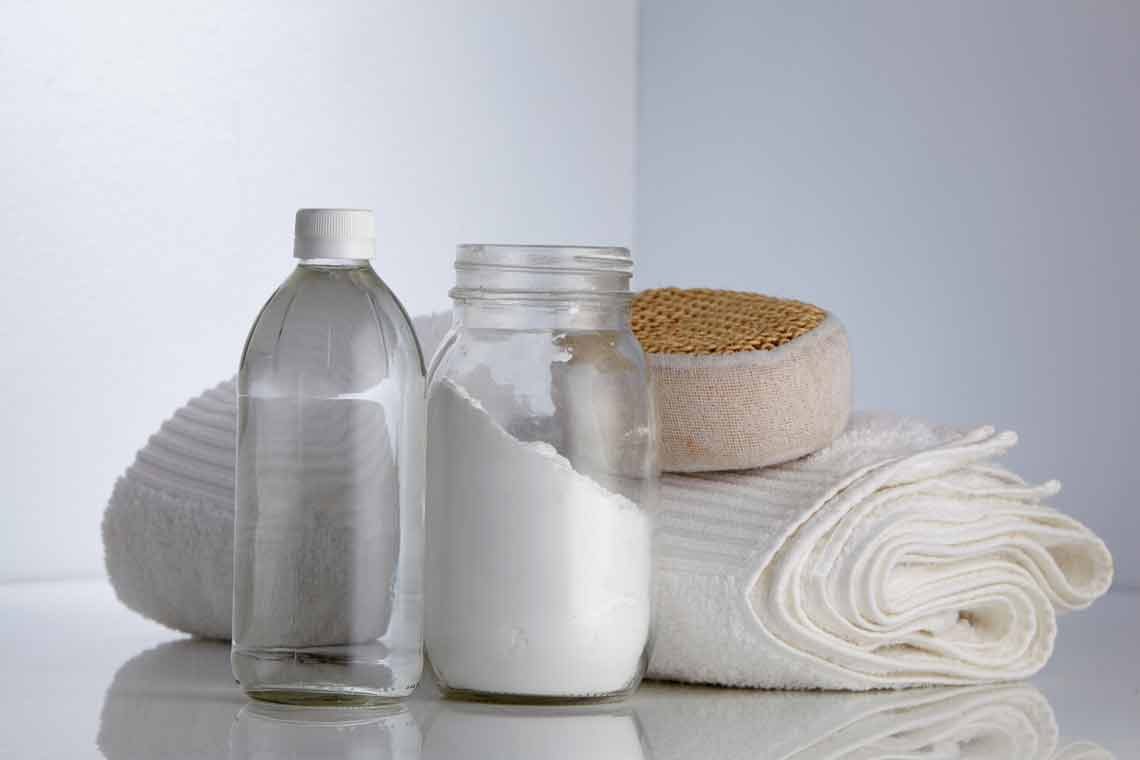
Vinegar didn’t work. The smell is still there. It’s stubborn. Now you pull out the heavy artillery. Baking soda. It’s cheap, it’s harmless, and it eats odor.
Here is the play. Finish your current wash. Pull the wet clothes out. Don’t dry them yet. You need them damp. Sprinkle a full cup of baking soda over the load. Yes, a cup. It looks like a lot, but mold doesn’t care about your aesthetic. Toss the clothes back into the machine. Hit the hottest setting your fabric tags allow. Heat combined with soda strips the last of that damp, rotting scent.
What if you can’t run another cycle? Maybe the machine is broken. Maybe you’re in a hotel. Or maybe you just want dry clothes now. You can treat dry laundry too. Grab a large plastic bag. Throw the smelly items inside. Dump in half a cup of baking soda. Seal it tight. Shake it like a Polaroid picture. Make sure that powder gets everywhere. Leave it alone overnight. The soda absorbs the volatile compounds. In the morning, shake it off. The smell should be gone.
Baking soda isn’t magic. It’s chemistry. It neutralizes acids.
Use heat to sterilize the fabric
Mold smells like mold because mold is there. Microorganisms. Fungi. They love damp, dark places. Your washing machine drum is basically a petri dish if you let it sit.
You have to kill them. You can’t just mask them. Temperature is your weapon. Heat kills. Cold kills.
Check your labels. Cotton? Linen? These fabrics love hot water. Run them at 60°C or higher. That’s 140°F. That’s the threshold where most household bacteria and mold spores cook. It sanitizes the fiber. It’s not just cleaning; it’s sterilizing.
What about your delicates? The wool? The synthetics that shrink in a sauna? You can’t use heat there. They melt. They warp. For these, you need a different approach. Add a laundry disinfectant to your fabric softener drawer. These chemicals break down the cell walls of the microbes without the thermal abuse. It’s the only way to save the fabric and kill the stink.
Which method works best? Heat is cleaner. No chemicals. But it’s limited by what your clothes can handle. Disinfectants are broader but leave residues. Pick your poison.
Your clothes are clean. The machine is still dirty. Don’t forget to wipe down the seal. That’s where the next batch of spores is waiting.


Can the freezer really kill mildew smells?
Skip the wash cycle. Sometimes the cold works better than the suds.
If the mildew scent isn’t overpowering, try freezing your clothes. It sounds like a hack you’d see on social media, but it actually has merit. The extreme cold shocks the bacteria and neutralizes the odor.
Here’s the catch. The clothes must be bone dry. Not damp. Not humid. Dry.
If you put wet fabric in the freezer, the moisture expands. Ice forms inside the fibers. When you take it out, the fabric can stiffen or even snap. You don’t want to ruin your favorite shirt just to get rid of a smell.
Pack the dry clothes in a sealed bag. Toss them in the freezer for a couple of days. Take them out. Sniff. The difference is usually noticeable.
Why wet clothes smell like a basement
Mildew loves moisture. It loves it more than you hate it.
The biggest mistake people make? Leaving wet gym clothes or towels in a pile. Or worse, leaving them in the laundry basket before they’ve had a chance to dry out.
That damp, bunched-up environment is a breeding ground. Bacteria multiply fast. Once they set up shop, the smell becomes stubborn. It sticks to the fibers. Regular detergent might not cut it then.
Prevention is easier than cure.
Hang wet swimwear, towels, and workout gear immediately. Let them air dry before throwing them in the hamper. Keep the hamper dry. Keep the clothes dry.
The same rule applies after washing. Don’t let your laundry sit in the drum.
The moment the cycle ends, take it out. Even an hour of sitting wet inside a closed, dark drum can lead to that musty smell. It’s called “sour laundry” for a reason.
If you have the space, hang the clothes outside. Sunlight is a natural disinfectant. UV rays break down bacteria and help dry the fabric faster. Fresh air helps too.
Just watch out for bright colors. Prolonged sun exposure fades fabric. Hang them in the shade if you’re worried about your reds turning pink.
How essential oils fight laundry odors
When soap and sun aren’t enough, turn to nature’s strong stuff.
Essential oils are potent. They don’t just mask smells; they attack the source. Many oils have antimicrobial properties that kill the bacteria causing the odor.
Lavender, tea tree, and eucalyptus are the heavy hitters here.
You can add a few drops to your wash cycle. Or put them in a fabric softener sheet. The scent lingers, but the real benefit is the purification.
It’s a simple swap. Replace synthetic fragrance with something that actually works.
How to kill mold smell with tea tree oil
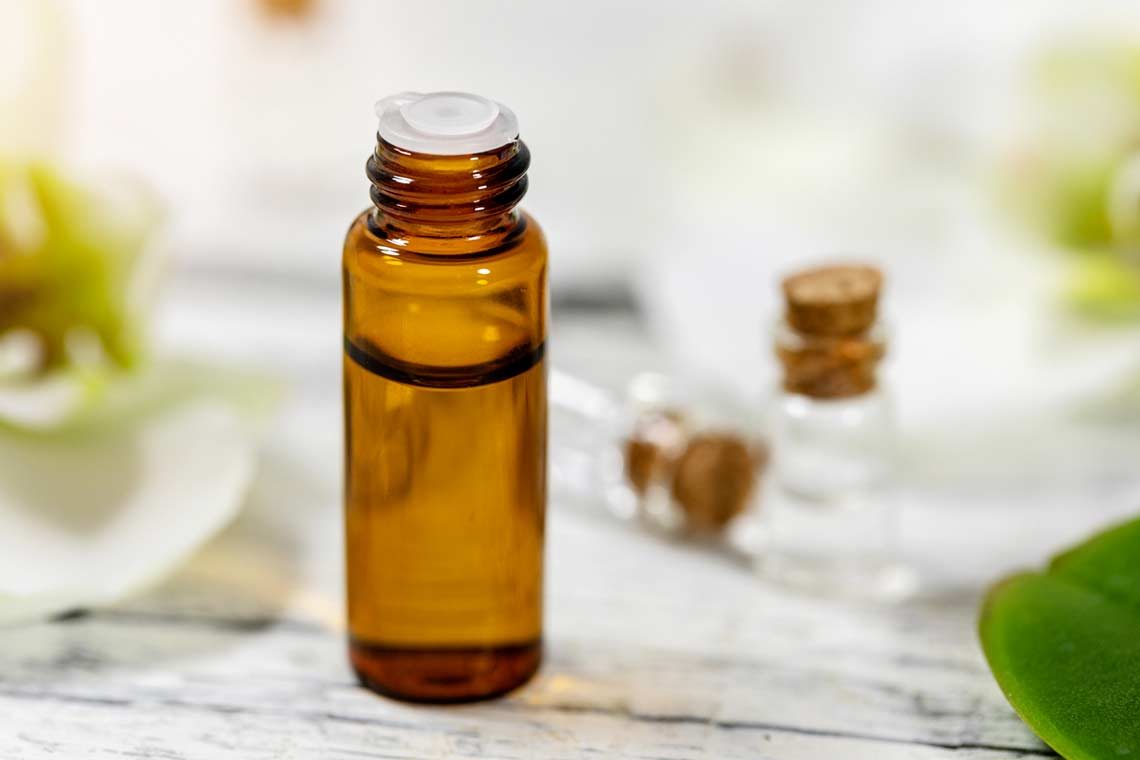
Tea tree oil isn’t just for skincare. It works here too. The compound fights fungi and kills bacteria. That’s why it stops that wet dog smell in your laundry.
Put a few drops in your detergent drawer. Or the fabric softener slot. It prevents the mildew scent from taking hold. If the smell is already there, it helps clear it out.
But be careful. Essential oils are potent. They cause allergies in some people. Do not use this on baby clothes. Skip it if you are pregnant or breastfeeding. Stick to standard detergent for those loads.
Why your washing machine smells like a swamp
The smell isn’t just on the clothes. It’s in the machine. You can’t get clean laundry out of a dirty box.
Your washer is a warm, dark, wet cave. It’s a breeding ground for germs. Mold loves it. Bacteria love it. They throw a party in there while you’re at work.
You have to clean the house itself.
Run a hot cycle with no clothes. Use a proper disinfectant or washing machine cleaner. This scrubs the inside of the drum.
Wipe the rubber gasket. Use hot soapy water. Do it often. That black sludge hides in the folds. It’s gross. It smells.
Leave the door open. Just a crack. After every wash. Let the air circulate. Dry out the moisture. If you seal it shut, you trap the smell. Keep it ajar.


