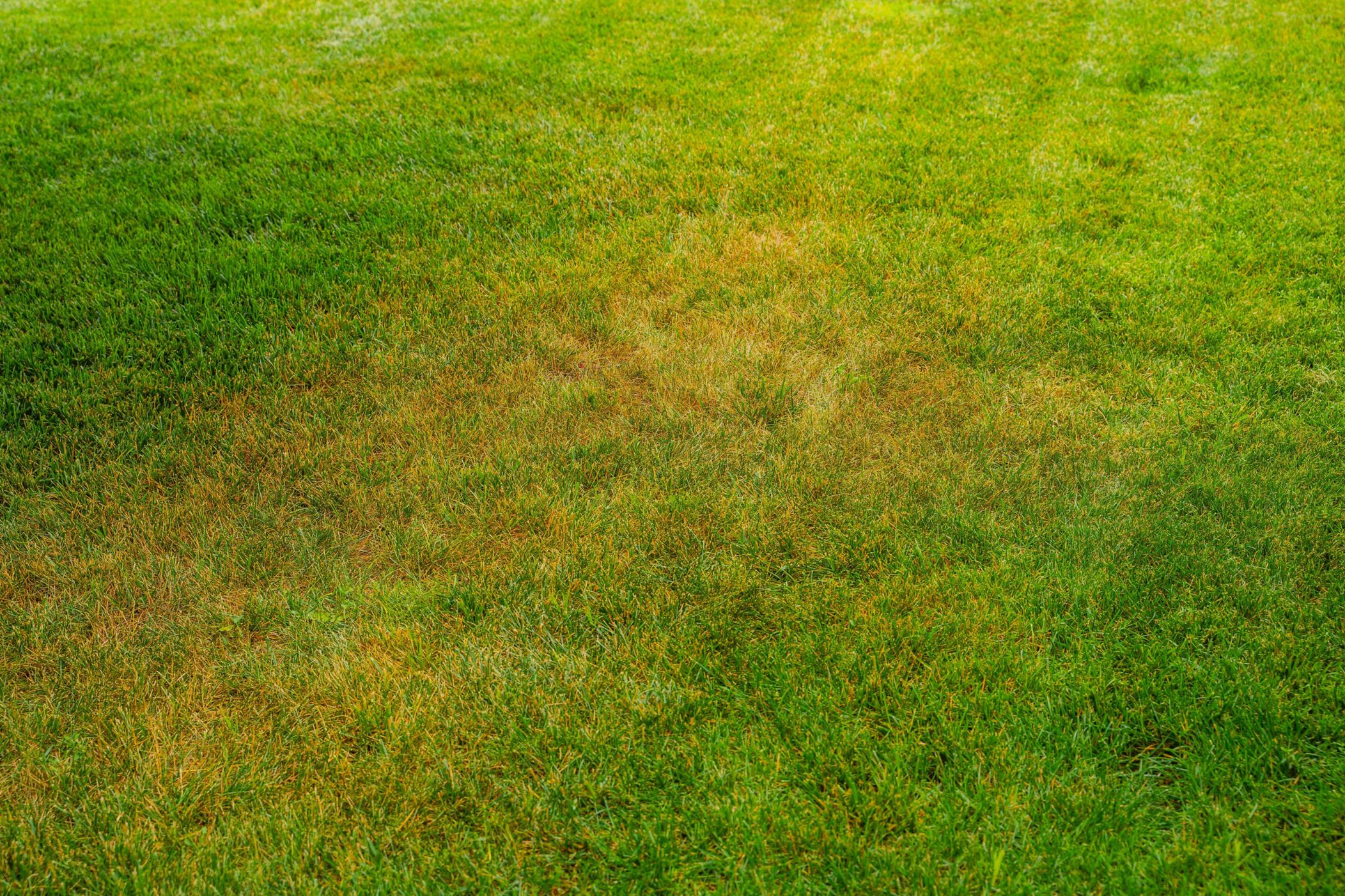
It looks brown. You’re watering it. Nothing changes.
It’s frustrating. It feels like you’re pouring money into a sponge that just won’t soak up the hope for a green yard.
Here is the hard truth: hydration is not the only variable in the lawn care equation.
In fact, sometimes more water is exactly the problem. Or less. It depends on the grass. It depends on the soil. It depends on what’s hiding under that brown carpet.
We talked to pros to figure out why your lawn is failing and how to actually fix it. Not with magic, but with mechanics.
Identifying the Culprit: Cool-Season vs. Warm-Season
The first mistake homeowners make is treating all grass alike. It’s like trying to run a marathon in snow boots. You have to know your terrain.
Susan McIntosh, president of Lawn Pride, says you need to identify your grass type first. Is it cool-season? Or warm-season?
If you have Fescue, Kentucky Bluegrass, or Perennial Ryegrass, you’re dealing with cool-season grasses. These guys hate the heat. When summer rolls in and temperatures spike, they don’t die. They hibernate.
They turn brown to conserve moisture and energy. It’s a survival mechanism. The grass isn’t dead. It’s just waiting for the weather to break.
Warm-season grasses operate differently. Bermuda, Zoysia, St. Augustines, and Bahia love the heat. They thrive when it’s hot. But they aren’t invincible. Extreme drought? They brown. Poor soil? They brown. Even these sun-lovers have a limit.
Beyond Drought: What Else Turns Grass Brown?
If you’ve watered properly and it’s not just seasonal dormancy, look at the soil.
High foot traffic compacts the earth. Roots need to breathe. If the ground is like concrete, roots can’t reach oxygen. The grass suffocates from the bottom up.
Then there’s thatch. This is the layer of dead grass stems and roots that builds up between the soil and the green blades. Too much thatch creates a barrier. Water runs off. Nutrients get trapped. The grass chokes.
Pests are another sneaky killer. Grubs eat the roots. Cinch bugs suck the life out of the stems. You can’t water a bug away.
And let’s talk about disease. Ron Henry, a turfgrass specialist at The Golf Course Lawn Store, points out that diseases like summer patch stress lawns badly. They create brown spots that look like drought damage but require entirely different treatment.
The Mowing Mistake Most People Make
“You don’t know what you’re doing wrong,” Henry says. “Oftentimes they’re not either raising their height of cut or they’re not increasing [mowing] frequency.”
This is counterintuitive. People think mowing less saves work. It saves grass.
When spring turns to summer, you need to raise your mower deck. Cut less blade at a time. If you scalp the lawn, you shock the plant. It can’t photosynthesize properly. It browns.
Increase your mowing frequency. Keep the grass standing tall. Shade helps the soil retain moisture. Short grass exposes the crown to direct sun, cooking the base of the plant.
How to Stop Brown Spots Before They Spread
You can’t fix what you don’t measure. But you can start with basics.
Water deeply. Once or twice a week. About an inch of water.
Do it in the early morning. Not noon. Not midnight. Early morning allows the grass blades to dry during the day, reducing fungal risk. Deep watering encourages roots to grow downward. Shallow watering keeps roots near the surface, where the heat hits them hardest.
Don’t overwater either. Soggy soil breeds fungus. It’s a Goldilocks situation. Too little is bad. Too much is bad. Just right keeps it green.
If the brown spots persist, look for the thatch. Remove it. Aerate the soil to relieve compaction. Check for grubs.
McIntosh has a simple test. Pull on a patch of grass. If it lifts up too easily, you’ve got a pest problem. The roots have been eaten away.
If the grass has circular, spreading spots and smells musty? That’s fungus. Not grubs. Treat accordingly.
Feeding the Lawn for Resilience
Mowing and watering are maintenance. Fertilizer is medicine.
Henry recommends a potassium-focused feed. Not just nitrogen. Nitrogen pushes green growth, but potassium builds stress tolerance. It helps the grass fight off heat, drought, and disease.
Look for a fertilizer with roughly 12% nitrogen and 24% potassium. It sounds specific, but that ratio helps the grass withstand the summer heat without burning out.
McIntosh agrees on general care principles. Keep the lawn fed. Keep the soil healthy. Keep the pests out.
The Verdict
Brown grass doesn’t always mean dead lawn.
Patience matters. Observation matters.
Check the type of grass. Check the mowing height. Check for grubs. Check the soil compaction.
Your lawn isn’t giving up. It’s screaming for help in a language you speak, if you take the time to listen.
What’s your first step? Pulling the grass or raising the blade?
Either way, start there.