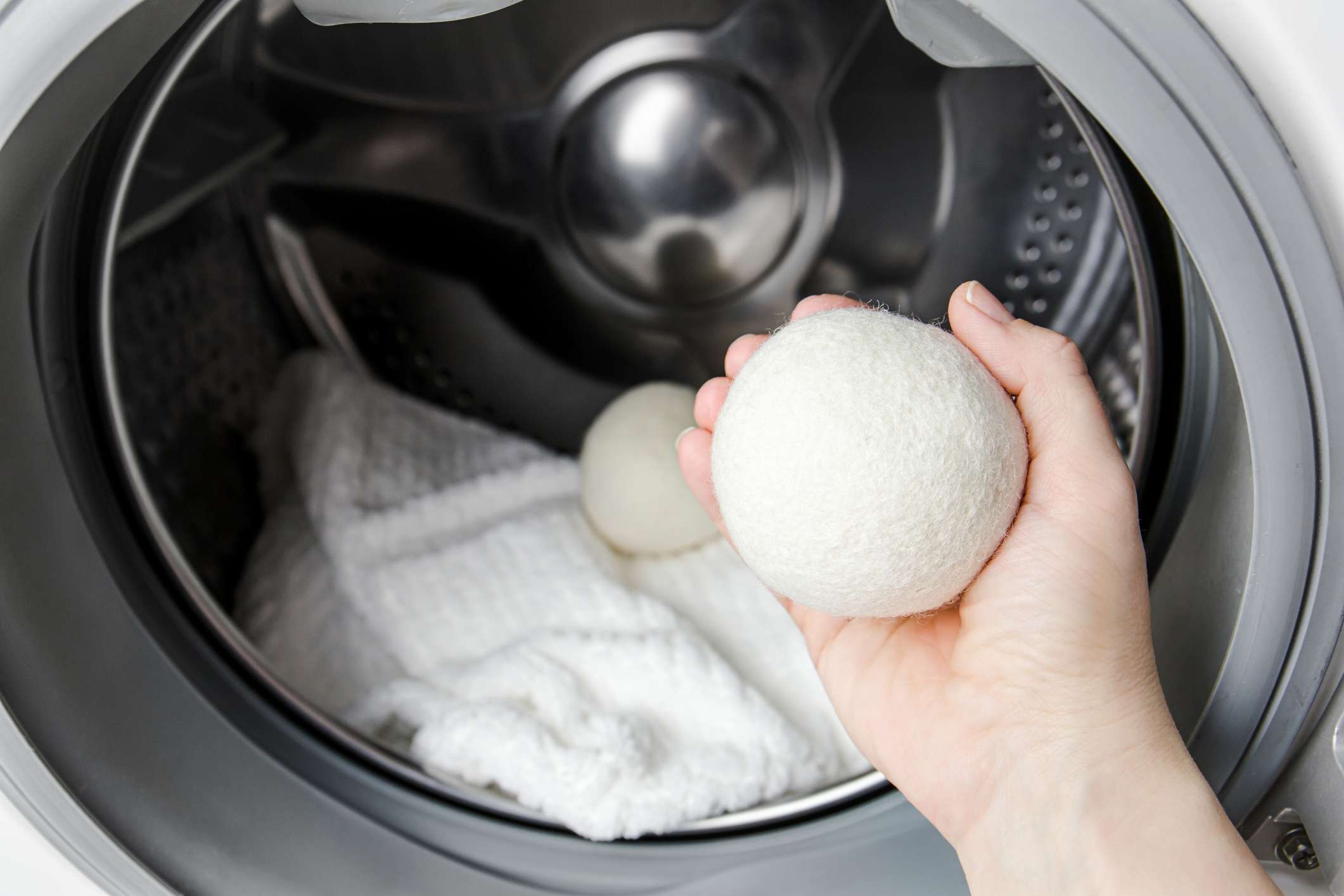
Dryer balls change how laundry feels. They stop clumps. They cut static. And they make your towels fluffier without the chemical residue of softener.
But the real sell? Speed. They cut drying time. This helps your wallet. It helps your energy bill. And it helps you stop waiting.
If you’re trying to ditch single-use items at home, this is the switch to make. Here is how they work, why they last years, and whether they actually earn their spot in your routine.
How Dryer Balls Actually Reduce Drying Time
They are simple spheres. Usually wool. Sometimes rubber or plastic. You toss them in with your clothes. No sheets. No refills.
Here is the mechanism. As the drum spins, the balls bounce. They hit the wet laundry from different angles. This action separates fabrics that want to clump together. Clumped items dry slowly. Separated items dry fast.
Better airflow means less heat exposure. Your clothes spend less time in high heat. Less heat means less wear and tear. That extends the life of your garments. You save money on replacements. You also save money on energy because the cycle finishes quicker.
Some people say they cut time in half. That might be optimistic for heavily saturated loads. But even a 20-25% reduction adds up.
The Waste Argument: Single-Use Sheets vs. Reusable Balls
Dryer sheets are designed for one job. Then they are trash. Plastic-coated paper tossed into a landfill after one use. Not ideal.
Wool dryer balls are different. They last for hundreds, often thousands, of loads. They are durable. They are biodegradable at the end of their long life. You can compost them.
Rubber balls? Not so much. If you choose rubber to avoid cost, remember it is a petroleum product. Wool is the greener choice.
And what about fabric softener? That’s a liquid waste too. Dryer balls soften fabrics through friction and heat. They fluff fibers. No chemicals. No synthetics. No artificial scents.
Do They Smell? (And How to Fix It)
No. Dryer balls do nothing for scent on their own. If you miss that “spring rain” smell, you have to add it.
Put two or three drops of essential oil on the balls before loading. Lavender for calm. Lemon for fresh. Tea tree for antimicrobial boost.
Note: Oil stains. Use sparingly. Test on a hidden spot if you’re worried.
Materials Matter: Wool vs. Rubber vs. Plastic
Most high-quality options are 100% virgin wool. They absorb a little moisture as they tumble. This helps pull humidity away from the wet clothes.
Rubber balls are heavier. They might be louder. Plastic balls? They can be dense. Too dense, and they might scratch the dryer drum or even damage your clothes over time. Fragile plastic can crack. Sharp edges are not good for your fabrics.
Stick with wool if you can. It’s the sweet spot for weight, durability, and eco-friendliness.
How Long Do They Last?
A good set lasts over a year. Often longer. Ten years, some claims say. Realistically, you’ll use them for several years before they fray.
Watch for these signs:
* They start to split open.
* They shed wool aggressively.
* They feel too loose to bounce properly.
When they start breaking apart, it’s time to compost the wool.
Maintenance: Cleaning Your Dryer Balls
They get lint on them. Pet hair. Dust. Clean them occasionally.
Wash them in hot water on a gentle cycle. Dry on high heat. This shrinks and hardens them slightly, restoring their bounce. You can wash them alone or mix them with towels or similar fabrics.
Or just hand wash in soapy warm water. Roll them in a towel to dry. It’s fast. No effort.
Are They Worth It?
For the average household, yes. The initial cost is higher than a pack of sheets. But sheets are a recurring cost. Balls are a one-time buy.
They reduce drying time. They cut energy bills. They eliminate plastic waste. They keep clothes softer longer.
And they just work. Simple. Effective. Human-made solution to a mechanical problem.
If your dryer is overworked, try them. Toss a few balls in. See if your next load comes out drier. See if it takes less time.
Or just keep using sheets. That’s fine too. But the balls are waiting.