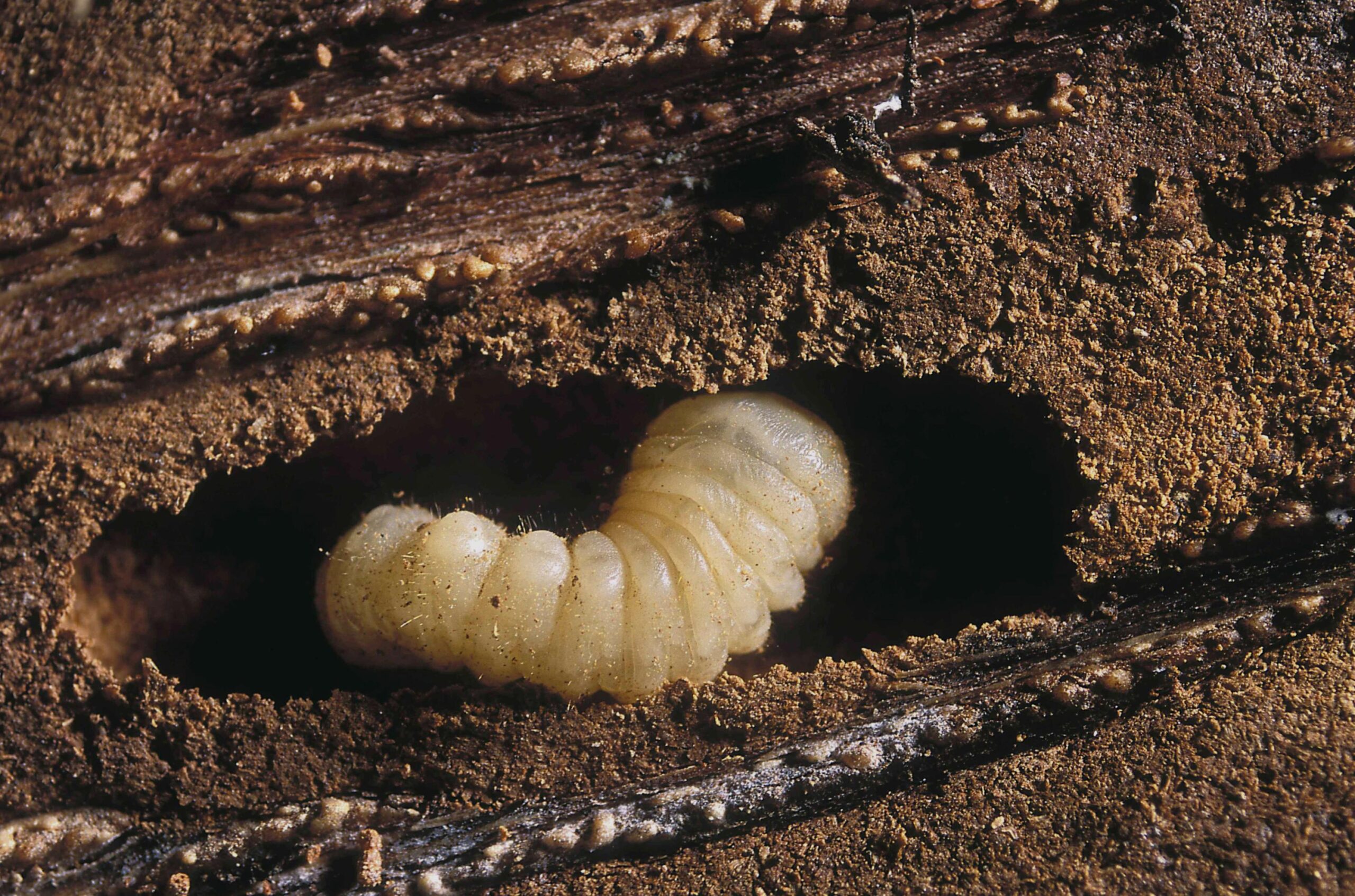
Grubs eat grass. Not just the tips, the roots. They strip everything underground, leaving your turf to die.
It happens fast.
Across the US, these pests thrive. They love rain. They love wet soil. If your yard gets soaked during the growing season, you are a buffet.
People want to know when to spray. What counts as an infestation. And why their lawn looks like it has drought issues even though it’s been raining.
Here is the reality on the ground.
What Exactly Are You Dealing With
Lawn grubs aren’t their own species. They are babies. Specifically, the larvae of scarab beetles.
Up to eight species can infest a yard depending on your climate. The most common? Japanese and June beetles.
While the babies feast on roots, the adults chew holes in your flowers and crops. It’s a two-front war.
Signs the Battle is Already Lost
Animals smell a good meal from miles away. When skunks, raccooons, or opossums dig up your grass, it’s not because they are mad at you.
It’s because there are bugs.
If your yard looks like a minefield, watch for these cues.
- Irregular dead patches. They grow. The grass turns brown, thin, wilted.
- Sponginess. Walk on the turf and it bounces. Roots are gone.
- Peeling. Lift a corner. The whole section comes off like a loose rug.
- Fake drought. The lawn is brown despite water. Roots can’t hold moisture.
- Holes. Small, numerous, scattered. Digging animals looking for food.
- Mound piles. Moles are tunneling around the grub tunnels.
- Bird crowds. Crows, grackles, starlings. They are eating your problem for you.
- Beetles. Low-flying swarms. Adults laying more eggs.
The Fix Depends on Timing
Control isn’t about magic spray. It’s about biology.
Insect life cycles shift with weather. Treatment must match the stage of the bug. You have two choices. Kill them before they hatch, or kill the ones currently eating.
“Prevention is cleaner than cure, but timing is everything.”
Chemical Defense
The Preventive Route
Target the eggs. Spray imidacloprid, thiame-thoxam, or clothianidin in early to midsummer.
This stops next spring’s outbreak. It does not kill the grubs already underground this year.
Chlorantraniliprole works too. Less potent, maybe, but safer for bees. You can use it as early as late spring.
Watch where you spray. Mow first. Remove flowering weeds so pollinators aren’t there. Avoid drift on your flower beds. Use a spreader for granules, mix water for liquids. Water it in—half an inch deep.
The Curative Route
Want to kill what is there now? Carbaryl. Trichlorfon.
These work only on feeding grubs. Apply them in late spring before pupation or autumn through winter when they eat again.
Short acting. Less effective than prevention. Results take weeks.
Same rules apply. Mow. Spread evenly. Water in half an inch. Feed the grass back to health. Plan a preventive round for next summer. It is the only way to break the cycle.
Biological Warfare
Sometimes chemicals feel too harsh. There are alternatives.
Milky Spore
It kills Japanese beetles. Specifically.
The bacteria sits dormant. A warm larva eats it. It activates. Spreads.
Bad news: it needs ten grubs per square foot to jump-start the infection. It takes two to four years for total control.
Apply in a grid. Teaspoon every four feet, rows spaced apart. Use a broadcast spreader. Works best on young larvae. Stays in soil for fifteen years. Won’t hurt other insects.
Beneficial Nematodes
Tiny worms. They enter grub body openings. Multiply inside. Kill the host.
Tricky to handle. Sunlight sterilizes them. Apply on overcast days, or in early morning/evening. Soil must be moist.
Store in fridge until use—three weeks max.
If the ground is dry, wet it half an inch deep first. Works in three to four weeks. A dry spell? You might need a second dose.
Neem Oil
Botanical pesticide.
Interruption tactic. Stops feeding, growth, egg-laying. Best from late summer into early fall.
Follow the label. Spray affected zones.
Diatomaceous Earth
It exists. But it has limits.
It works on the surface. Grubs are deep. Unless they crawl up, they won’t get coated. It’s not a cure-all, just another tool.
So you have options.
Chemical or natural. Prevention or rescue. The ground doesn’t care which one you pick, it only cares if the roots stay.
Will the grass come back next year? Maybe. Maybe not. It depends on how long you waited before acting.
What are you seeing in your yard today?