Prune it. Or lose it.
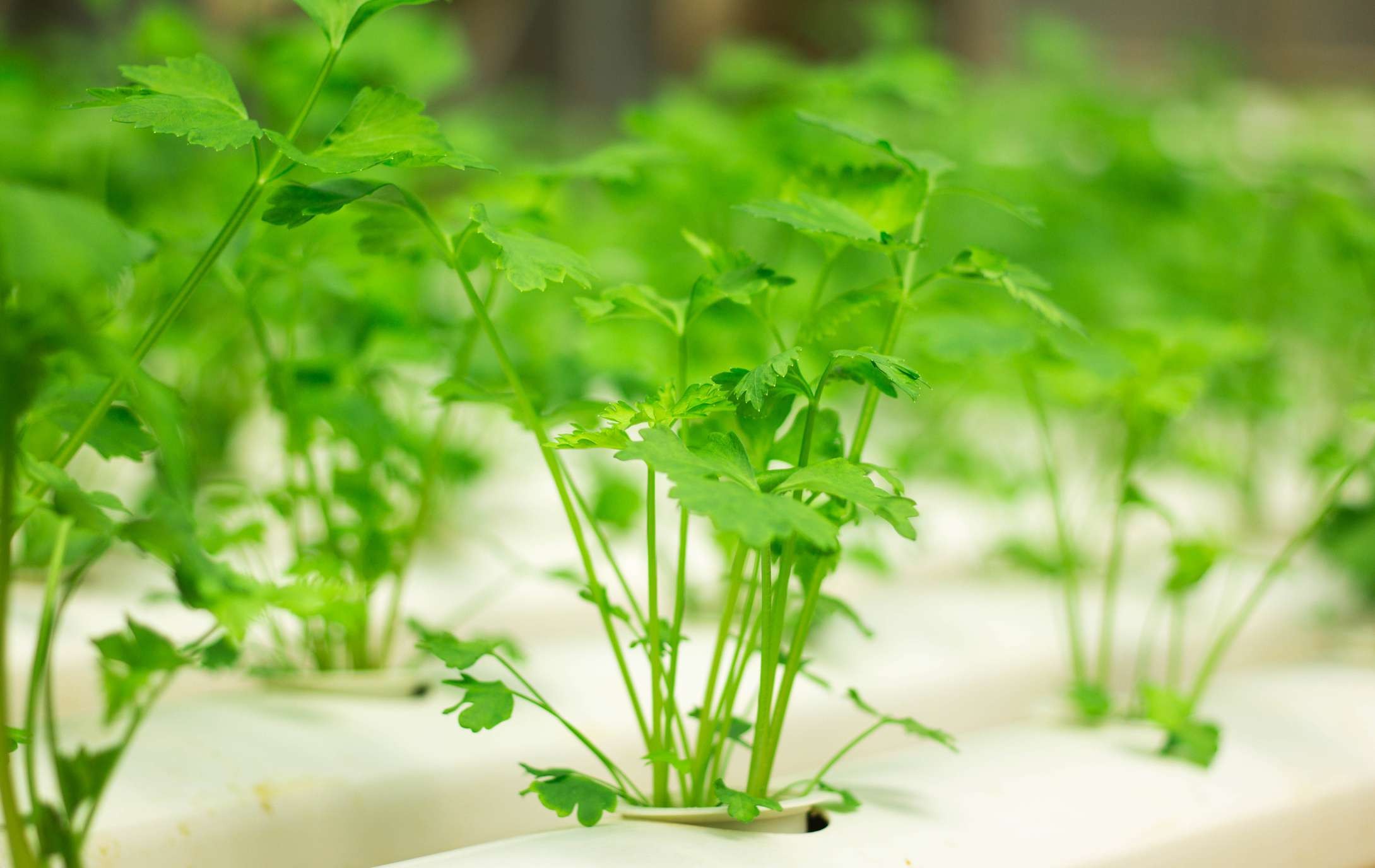
Whether your parsley sits in a pot on the counter or fights the elements in a backyard garden, the rule is the same. You cut it back. If you don’t, you aren’t just hurting its health or its look, you’re ruining the flavor. It tastes worse when left to sprawl.
We talked to Sarah Rubens. She owns Seeds to Sanctuary, a place dedicated to growing things well. She knows what to snip. And when.
The Cut
Don’t just grab shears and hack away. Most people ruin their herbs here. They cut too close to the heart or remove too much greenery, leaving the plant stunned, stunted, sad.
Regular cutting forces the plant to wake up. It gets bushy. Fuller. That means more food for your pasta, your stocks, your morning omelet.
“If you skip pruning, parsley becomes leggy. The bottom leaves yellow and die. It’s just weak.”
You need sharp shears. Or scissors. Does not matter, really, as long as they’re sharp. Make a clean cut. Don’t tear it. Snip the stems at the base. Right near the dirt. Ignore the individual leaves, aim for the stems.
Start with the outside. The older stuff. The tougher stems. Leave the tender, young shoots in the center alone. They have work to do. Let them keep growing. It keeps the cycle spinning.
The Timing
Forget roses. Forget hydrangeas. You aren’t trying to shape a bush for aesthetic symmetry, or prevent disease, or prepare for next year’s blooms. Not yet.
Parsley is different. You prune while it is alive, not after it blooms. You start cutting once it has settled in.
“The best time is when it has several stems. A few weeks after you plant it, usually.”
Sooner is better. The earlier you start, the heavier the harvest later. It sounds counterintuitive. Removing now gives more later. But true.
Watch for height. If it’s getting tall, skinny, looking desperate? Cut it.
Yellow leaves? Cut.
Flower stalk? That is the emergency signal. It means the plant wants to go to seed. It means the end is coming.
“If you see a flower, act fast. It’s about to bolt. Once that starts, you can’t undo it.”
Care beyond the snip
It is easy compared to pruning trees. Easier than managing rose thorns. But the cut is only one part of it.
Light matters. A lot. Rubens insists on at least six hours a day. Six hours. If it is in a dark corner, it will suffer. Keep the soil moist, though not a swamp. It wants drainage.
It wants harvesting. The cutting we talked about? It stimulates growth. It wakes up the dormant parts.
Fertilizer is needed, but lightly. Organic, balanced stuff. Every few weeks. Watch for aphids. Those little pests love parsley. If they show up, get rid of them. Early.
Flowers signal the end of the road. The life cycle is done.
You can chop the flower stalks off to delay it, to buy some time, but the taste changes anyway. It turns bitter, perhaps, or just flat.
It is a trade-off. You take what you get while it is good. Then you start again.
Or do you? 🌿