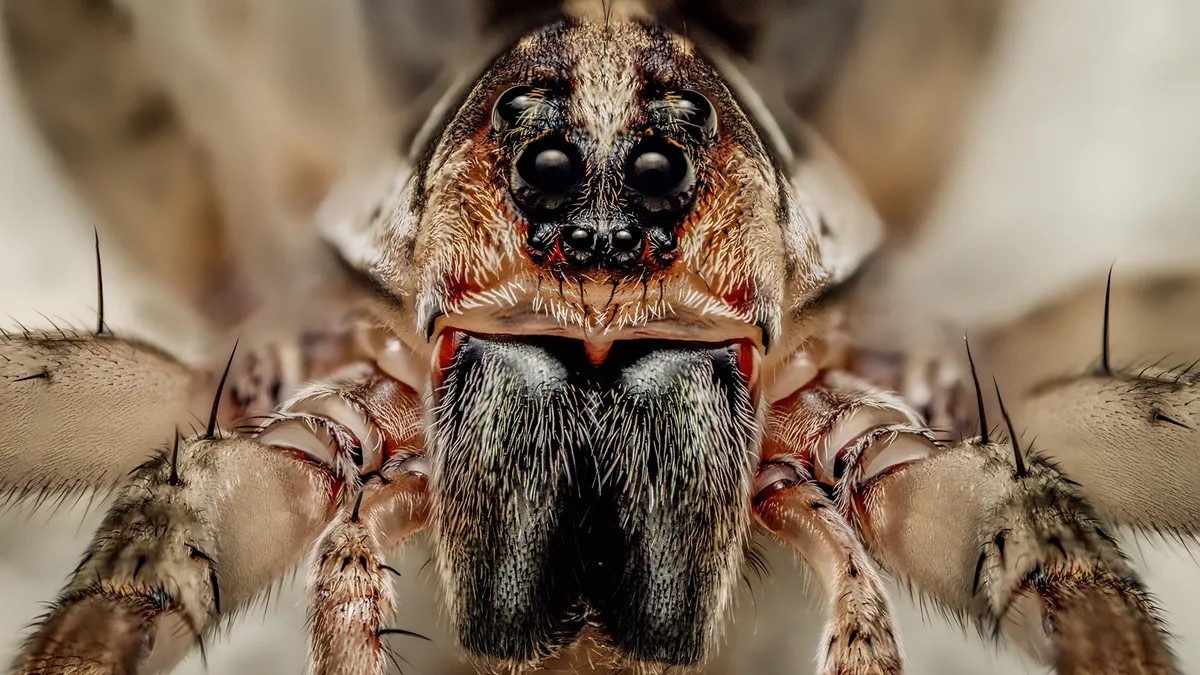
Spiders, one of the planet’s most widespread predators, are known for their solitary lifestyles. Yet, the question of what a group of spiders is called arises because they sometimes gather in significant numbers. The answer depends heavily on whether the grouping is temporary or a true social structure.
Why Spiders Usually Stay Apart
Most spiders are ambush hunters, relying on speed, venom, and avoiding competition. This means they thrive alone, reducing risks like cannibalism and ensuring enough prey for survival. Living in isolation protects them from being eaten while they sleep, feed, or molt – a vulnerable process where they shed their exoskeletons.
The Temporary “Cluster”: A Short-Lived Gathering
When spiders do come together, the most common term is a “cluster.” These formations aren’t long-term societies. They occur briefly under specific conditions:
- Hatching: Hundreds of spiderlings emerge at once from eggs.
- Abundant Food: A concentrated food source attracts multiple individuals.
- Limited Shelter: Shared spaces force spiders into proximity.
Once conditions shift, the cluster disperses. Competition, conflict, and the risk of being eaten push spiders back into solitary hunting.
The Exception: True Social Spiders and Colonies
A rare few spider species live in genuine social groups called “colonies.” These spiders cooperate in ways most others don’t:
- Shared Webs: They build massive, communal webs stretching across vegetation.
- Cooperative Hunting: They work together to capture and subdue prey.
- Collective Defense: They protect eggs and young as a unit.
These colonies can survive better than solitary spiders, but they are the exception rather than the rule. Most spiders simply cannot tolerate long-term contact with their own kind.
Spiders Within the Animal Kingdom
Spiders belong to the class Arachnida, which separates them from insects. Key differences include:
- Eight Legs: Spiders have eight legs, arranged in four pairs.
- Two Body Parts: Their bodies are divided into a cephalothorax and abdomen.
- Silk and Venom: They produce silk and often use venom to subdue prey.
Other arachnids, like scorpions, mites, and ticks, also typically live solitary lives.
Hunting Styles Affect Group Behavior
Different spider species have different behaviors. Jumping spiders rely on vision and active hunting, while funnel-web spiders build structured traps. Wolf spiders carry their young on their bodies, creating temporary “family groups” that quickly dissolve as the spiderlings disperse. These brief gatherings don’t signify a social structure; they’re just a stage in the spider’s development.
In conclusion, while spiders sometimes gather temporarily as clusters, true social colonies are rare. The vast majority of these predators thrive alone, avoiding competition and cannibalism by maintaining their independence. Their solitary nature is a core part of what makes them successful hunters across nearly every environment on Earth.