Яскравий металевий блиск алюмінієвих дерев — відмінна риса святкового декору 1950-х і 60-х років — переживає значне відродження. У той час як деякі дизайнери вітають це відродження як природне продовження естетики середини століття, інші висловлюють занепокоєння з приводу безпеки та «холодної» природи цих дерев.
Зростання ретро блиску
Відродження інтересу до алюмінієвих дерев безпосередньо пов’язане із загальною популярністю дизайну середини століття. За словами організатора заходів і дизайнера Аннемарі Шумахер: “Алюмінієве дерево є квінтесенцією святкового декору тієї епохи. Тож не дивно, що його популярність різко зросла”. Ця тенденція вражає ностальгію за певним періодом в історії дизайну, ідеально вписуючись у будинки, які вже прикрашені меблями атомної епохи та кольоровими палітрами.
Це не просто минуща тенденція: алюмінієві ялинки являють собою явний відхід від гіпертрадиційної, сільської естетики Різдва, яка домінувала останніми роками. Натомість вони пропонують яскравий елемент — сміливий, безкомпромісний центральний елемент у стилі ретро.
Як розставити алюмінієві ялинки: менше – краще
Дизайнери, які справді сприймають цю тенденцію, наголошують на простоті. Ентузіаст домашнього декору Андреа Сінкен радить економно використовувати алюмінієві дерева. «Вони не призначені для захаращення прикрасами», — пояснює вона. Традиційний підхід – підставка, що обертається, і один прожектор для максимального блиску – залишається ідеальним способом демонстрації.
Це робить алюмінієві дерева ідеальними для вторинних приміщень, таких як коридори чи кухні, а не центрального дерева у вітальні. Справа не в тому, щоб замінити класичну ялину, а в тому, щоб додати їй нотки вінтажного шику.
Проблеми безпеки та естетичний опір
Однак не всі з цим згодні. Продавець вінтажного декору Мікеле Сікателло висловлює серйозні сумніви, посилаючись як на занепокоєння щодо безпеки, так і на заперечення щодо холодної природи деревини. «Ці дерева виглядають гострими та потенційно небезпечними», — попереджає вона, викликаючи серйозне занепокоєння щодо можливих травм, особливо в сім’ях з дітьми.
Крім безпеки, Cicatello стверджує, що алюмінієві дерева принципово не відповідають теплому, органічному відчуттю, яке традиційно асоціюється з Різдвом. «Неможливо перемогти землистий, органічний вигляд і відчуття живого дерева», — заявляє вона, підкріплюючи ідею, що алюміній є свідомим відходом від затишних природних святкових вітрин.
Альтернатива: блискуча мішура
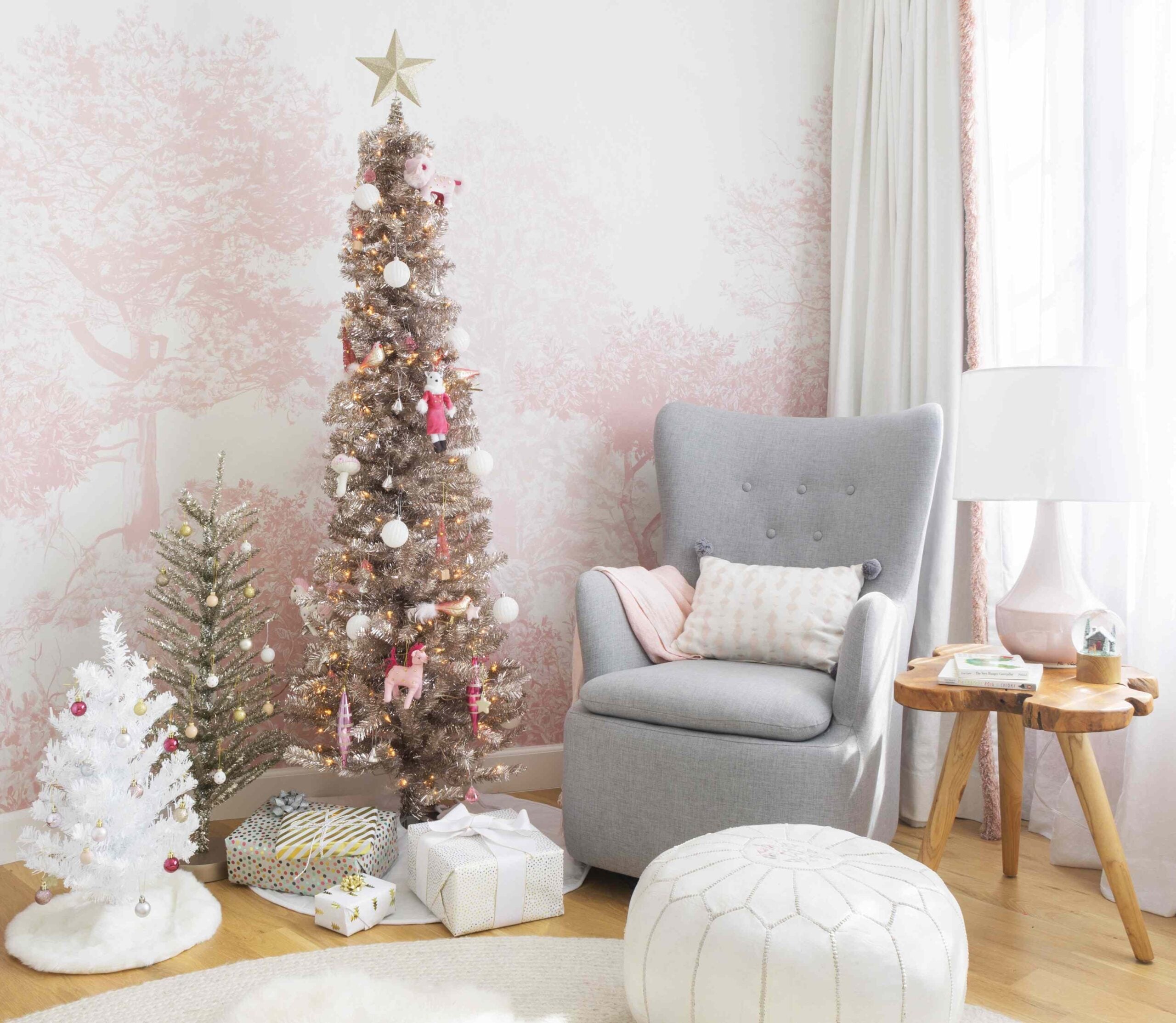
Для тих, хто шукає ретро-металевий відтінок без ризиків або естетичних недоліків алюмінієвих дерев, мішура пропонує безпечнішу та універсальнішу альтернативу. Cicatello повністю підтримує цей варіант, доводячи, що не кожна ностальгія вимагає потенційно небезпечного, гострого як лезо центрального елемента.
Зрештою, відродження алюмінієвих дерев є нішевою тенденцією, яка приваблює тих, хто глибоко відданий дизайну середини минулого століття та готовий прийняти трохи незвичайну естетику свята. Це також підкреслює ширші зміни у святковому оформленні, де ностальгія та сміливі заяви стають дедалі важливішими.