


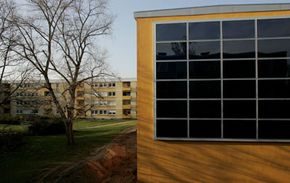
Kermit was wrong about the difficulty of it all. Being green in construction isn’t just a buzzword. It is a practical shift in how we build, renovate, and live. The terms “green building” and “sustainable development” dominate conversations in the industry, but definitions matter. The Environmental Protection Agency defines green building as creating healthier and more resource-efficient structures. This covers everything from construction to demolition. Proponents argue it saves money. It also creates healthier indoor air. Sustainable development, per the UN Environment Program, focuses on using resources now without compromising future generations.
Big institutions love this model. Schools, hospitals, and corporate offices are adopting these practices. They improve air quality. They control temperature better. They design spaces with natural light. The result is a happier workforce. There is also the “environmental halo effect.” Consumers prefer companies that care about the planet. This drives sales.
Homeowners face a different reality. We lack the big budgets of corporations. Yet we want to go green. The cost difference can be stark. Every decision impacts the bottom line. You can start small. Maybe you replace old bulbs. But how green is that really? How much energy does it actually save? Who decides what qualifies as green? These are valid questions.
We need to look beyond the corporate sphere. We need to look at your house. This guide focuses on actionable steps for homeowners. We will discuss materials. We will talk about current legislation. We will even look at how other countries handle these issues. You might start by recycling gray water. Or maybe you just need better insulation. The path is yours.
Understanding Green Building Materials
When you choose materials for a renovation, you are making a statement. Your choices affect the environment. They also affect your wallet. The market is flooded with options. Some are legitimate. Some are marketing gimmicks. You need to know the difference.
Consider the source of your materials. Are they renewable? Are they recycled? Local sourcing reduces transportation emissions. It also supports local economies. Look for certifications. FSC-certified wood is a good start. Low-VOC paints improve indoor air quality. These are concrete steps. They are not abstract concepts.
“Green building is the practice of creating healthier and more resource-efficient models of construction.” — Environmental Protection Agency
The energy efficiency of a material matters too. Insulation is a prime example. Good insulation keeps heat in during winter and out during summer. It reduces the load on your HVAC system. Lower energy bills follow. This is a direct financial benefit. It is not just about saving the planet. It is about saving cash.
Water usage is another critical factor. Low-flow fixtures reduce consumption. They do not sacrifice performance. You still get a good shower. You still have clean water for dishes. The savings add up over time.
Recycled content is also worth investigating. Carpet made from recycled plastics is durable. It lasts a long time. It keeps waste out of landfills. You are getting a product that serves two purposes. That is smart design.
The key is to look at the whole picture. A material might be “green” in one aspect but harmful in another. Think about the lifecycle. From extraction to disposal. Every stage has an impact. Your goal is to minimize that impact. You do this by choosing wisely.
Start with a audit. Walk through your home. Identify the biggest energy wasters. Look


Rethinking Materials and Surfaces
You don’t need to build from scratch to reduce your footprint. The existing shell of your house holds plenty of potential for upgrades that cut waste and boost efficiency.
Start with what you’re replacing. Recycled building materials fall into two buckets. Postindustrial means byproducts from factories. Postconsumer is stuff like recycled wood, metal, or concrete. You can swap almost any standard material for a reclaimed version.
Take concrete. It often contains fly-ash from industrial furnaces. This additive makes the mix stronger. You can also crush old concrete and remix it with cement. Steel is another easy win. Melt it down. Reform it. Back into structural shapes.
Even debris gets a second life. When a building implodes, heavy machinery with large claws and shears crushes the rubble. It separates steel from concrete. Each pile goes to a different recycling stream.
For outdoor spaces, look at decking. You can buy “wood” made from recycled plastic bottles. It mimics the grain. It resists rot. If you’re doing a patio or track, shredded sneaker soles make excellent athletic surfaces.
Flooring That Breathes
Traditional hardwood floors have a hidden carbon cost. Pine, maple, and oak take decades to mature. Oak alone can take up to 120 years to fully grow. That’s a long time to tie up land and resources.
Bamboo and cork offer a faster cycle. Bamboo is technically a grass. It regenerates in four to six years. Cork plants regrow in about nine years. Both earn green points because installation usually avoids toxic adhesives. Less fumes in the air. Better for indoor air quality.
Price-wise, they sit near traditional wood floors. But there are over a thousand varieties. Quality varies wildly. Color shifts based on the harvest. Check the specs.
A warning from the Consumer Reports 2008 Buying Guide. Bamboo and cork are susceptible to UV-ray discoloration. Sunlight fades them. Some types need special cleaning products to maintain their finish. Don’t just sweep and forget.
Engineered wood is another option. These are veneers. Layers of wood, often recycled, laminated together. They’re cheaper. Easier to install than solid hardwood. But they aren’t as durable. If you dent them, you can’t sand them down as many times. Trade longevity for upfront savings.
The Cost of Hot Water
Heating water accounts for 15 percent of the average home’s energy bills. That’s a significant chunk of your utility bill. Traditional tank heaters keep that water hot 24/7. Even when you’re not using it. That’s standby waste.
Tankless water heaters change the equation. They produce heat only when a tap turns on. Water moves directly through the unit. It isn’t stored. No standby losses.
You can go electric or gas. Gas models usually provide higher flow rates. Which is better for multiple showers running at once. They come in various sizes. You can size one for the whole house. Or get a small point-of-use unit for just the dishwasher.
The upfront cost is higher. Conventional heaters are cheaper to buy. But the energy savings stack up. You recoup that initial investment sooner than you might expect. Especially if your water heating usage is high.
Insulation: The Invisible Barrier
Heating and cooling make up 45 percent of the average homeowner’s utility bills. That’s the biggest drain. Extra insulation can cut those costs by 15 to 20 percent.
But how do you install it? Traditional fiberglass insulation requires a mask and gloves. It’s irritating. Toxic if inhaled. Why seal ourselves into a house with something that makes us cough?
Enter recycled denim and shredded newsprint. These are becoming popular green alternatives. They don’t contain the same harsh chemicals. They also keep trash out of landfills.
Recycled insulation costs more upfront. It’s pricier than fiberglass. But in insulation tests, it often rates better. It holds up well over time. It doesn’t sag or settle as easily. And you don’t need a hazmat suit to put it in the walls.
Energy Star confirms the math. More insulation means less energy spent fighting temperature extremes. The payback period shrinks. The comfort level rises.
We’ve covered materials, floors, water heat, and walls. The next steps involve how you manage the air inside and the energy flowing out.
More Ways to Go Green

Solar power isn’t what it used to be. The price tag has dropped significantly. Estimates suggest costs are down by as much as 90 percent compared to a few decades ago. You also have options for incentives. Some states offer tax credits and rebates to help offset the initial outlay.
The grid interaction has changed too. Many utility companies now net meter. This means you only pay for the energy you consume beyond what your panels produce. If your system generates excess power, you might even sell it back. The payoff timeline varies. It depends on your usage habits. It relies on how many panels you install. The orientation of your roof matters. So does the local climate.
Recycled Countertops
Kitchens are where green building often starts. Granite and quartz are standard. Ceramic tile and laminate are cheaper options. But if you want to reduce environmental impact, look at recycled materials. Paper-based, glass, and aluminum countertops are available. They come in various styles and price points. Concrete is another solid choice. It is durable. It can be tinted to match any aesthetic.
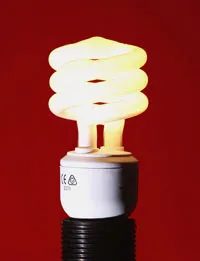
Compact Fluorescent Bulbs
CFLs aren’t new technology. They evolved from regular fluorescent tubes used during the 1970s oil crisis. Manufacturers reshaped them to fit standard lamps. Some casings mimic traditional bulbs to hide the blue light tint that bothers many people. The efficiency is real. They use a quarter of the electricity of incandescent bulbs. Lifespan is around 10,000 hours. Compare that to 800 to 1,000 hours for standard bulbs.
The downside is the upfront cost. You might pay $5 to $10 per bulb. Home Energy magazine suggests testing a few first. Put them in high-traffic areas like the kitchen. If you like the light, convert slowly. Buy in bulk later to drop the per-unit price.
Natural Building Methods
There is another approach to green construction. It focuses on mimicking nature. The goal is minimal environmental imprint. Think of traditional structures. Mexican huts carved from mud and rock are examples. They use biodegradable, local materials. “Natural building” is popular in the western U.S. Land and raw materials are more abundant there.
Features include stone foundations. Sod roofs are common. Walls might be straw-bale protected by adobe plaster. Discarded wood is often incorporated. The result looks like an elves’ cottage. It certainly doesn’t look like a space-age module.
LEED
The Leadership in Energy and Environmental Design (LEED) rating system provides a standardized framework for green buildings. It is managed by the U.S. Green Building Council. Points are awarded for sustainable site development, water savings, energy efficiency, materials selection, and indoor environmental quality.
Achieving certification requires documentation and verification. Projects can earn Certified, Silver, Gold, or Platinum status. For homeowners, LEED principles can guide smaller renovations. It encourages careful material selection and energy-conscious design. You don’t need full certification to benefit from the standards. Applying the logic can lower utility bills and improve air quality.


The State of Green Building: Standards, Incentives, and Global Context
You want to build or remodel efficiently. You look for a single federal rulebook. It does not exist.
LEED is the default. The U.S. Green Building Council’s rating system dominates conversations. But it is not the only player. The Green Building Initiative offers alternative metrics. The Architecture 2030 initiative pushes for aggressive carbon reduction targets. These groups have their own practices. They do not always align.
The government helps with cash. Not huge sums. Small credits that add up. Replace an old water heater with a high-efficiency model. Claim a $300 tax credit. Install better insulation. The federal government covers 10 percent of the material costs. It is not a fortune. But it lowers the barrier to entry.
States are moving faster than Washington. California leads. Governor Arnold Schwarzenegger signed an executive order. State facilities must earn silver LEED certification or higher. New and renovated buildings included. It sets a tone. Other states watch. They adopt policies.
By October 2007, the shift was visible. 22 states had laws. 75 towns and cities had ordinances. They required or encouraged LEED practices. New York City started early. The reconstruction of the World Trade Center site included green building mandates. It was a statement. The United Nations Department of Economic and Social Affairs works on this too. Their Division for Sustainable Development encourages techniques in developing countries. Cooperation across borders.
How International Models Influence DIY Choices
Asian architecture often respects the land. The Miho Museum near Kyoto, Japan, proves it. Architect I.M. Pei buried 80 percent of the structure underground. The natural landscape remains intact. You do not need to dig a basement to mimic this. You can mimic the principle. Preserve the site. Reduce disruption.
Europe moved first. Germany and the Netherlands set the pace. The European Union mandated energy usage standards for new construction in the mid-1990s. They did not wait. They did not lobby. They regulated. In 2005, the European Commission launched a voluntary green building program. It built on existing rules.
The U.S. is catching up. Tankless water heaters are not new tech here anymore. Japan used them for years. Efficiency matters now. Energy costs are rising. The housing market dipped. Homeowners need to save money. They also want to increase property value. Going green is no longer just ideological. It is financial.
Practical Steps for Homeowners
You do not need to build underground. Start with what you can control.
Insulation is key. The tax credit makes it easier. Choose materials carefully. Fiberglass is standard. Cellulose is recycled. Spray foam offers high R-values. Measure the space. Calculate the cost. Compare the credit.
Water heating is another easy win. Old units lose heat through standby loss. Tankless units heat on demand. They save energy. They save space. The $300 credit applies. Check your local utility provider. They often offer rebates on top of federal credits.
Ventilation matters. Air purifiers clean the air. They remove particulates. They help with allergies. If you are doing a deep renovation, consider the source of the air. Seal the envelope. Install efficient fans.
Windows are often the weak point. Double-pane is standard. Triple-pane is better. Low-E coatings reflect heat. Look for ENERGY STAR ratings. They indicate tested performance.
Flooring choices affect indoor air quality. Bamboo is popular. It grows fast. It is renewable. Some argue it is not as green as claimed. Transportation costs matter. Local wood is often better. Cork is another option. It is harvested from bark without killing the tree. It provides cushioning. It is soft underfoot.
Tools and Safety First
You are doing this yourself? Good.
Safety gear is not optional. Dust masks. Not the cloth ones. N95 respirators for sanding or cutting insulation. Gloves. Eye protection. Fiberglass itching is real. It burns. Cover your skin. Long sleeves. Pants. Tuck your pants into your socks.
Tools vary by task. A power drill for mounting units. A reciprocating saw for cutting pipes. A caulk gun for sealing gaps. Do not skip the caulk. Air leaks cost money. They let conditioned air escape. They let outside air in. Seal it.
If you are working with electrical components for smart thermostats or lighting, turn off the breaker. Test the wires. Use a voltage tester. Do not guess. Electricity does not care about your confidence level.
For plumbing, shut off the main water supply. Drain the lines. Use pipe wrenches. Teflon tape on threads. Do not overtighten. Plastic fittings crack easily.
Where to Find Reliable Data
You need numbers. Not opinions.
The Residential Energy Services Network (RESNET) provides standards. They rate homes. Their data helps you compare.
The Home Energy Saver tool offers simulations. Input your zip code. Input your home’s characteristics. It gives you a baseline. It shows potential savings.
The U.S. Environmental Protection Agency’s Energy Star website lists qualified products. Do not trust marketing claims alone. Check the list. If it is not on the list, it might not be as efficient as advertised.
The Green Building Initiative offers tools for whole-building assessment. Look at their resources. They focus on performance. Not just materials.
The United Nations Environment Programme tracks global trends. It is useful for understanding where the market is heading. Emerging technologies often appear in Europe or Asia first. They trickle down to the U.S. market later. Keep an eye on those markets.
The Bottom Line
Green building is fragmented. It is not a single movement. It is a collection of standards, incentives, and technologies. LEED is the most visible. It is not the only one.
The federal government provides small financial nudges. States provide mandates. The market provides pressure. Homeowners are waking up. They see the costs. They see the potential savings.
Start small. Replace the water heater. Add insulation. Seal the drafts. Measure the results. See the bills drop. Then scale up. Replace windows. Upgrade HVAC. Consider solar.
The process is iterative. You learn as you go. You make mistakes. You fix them. That is part of DIY.
There is no perfect solution. Every choice has a trade-off. Cost versus efficiency. Convenience versus sustainability. Local materials versus high-tech imports.
You have to decide what matters most to you. And your house.


