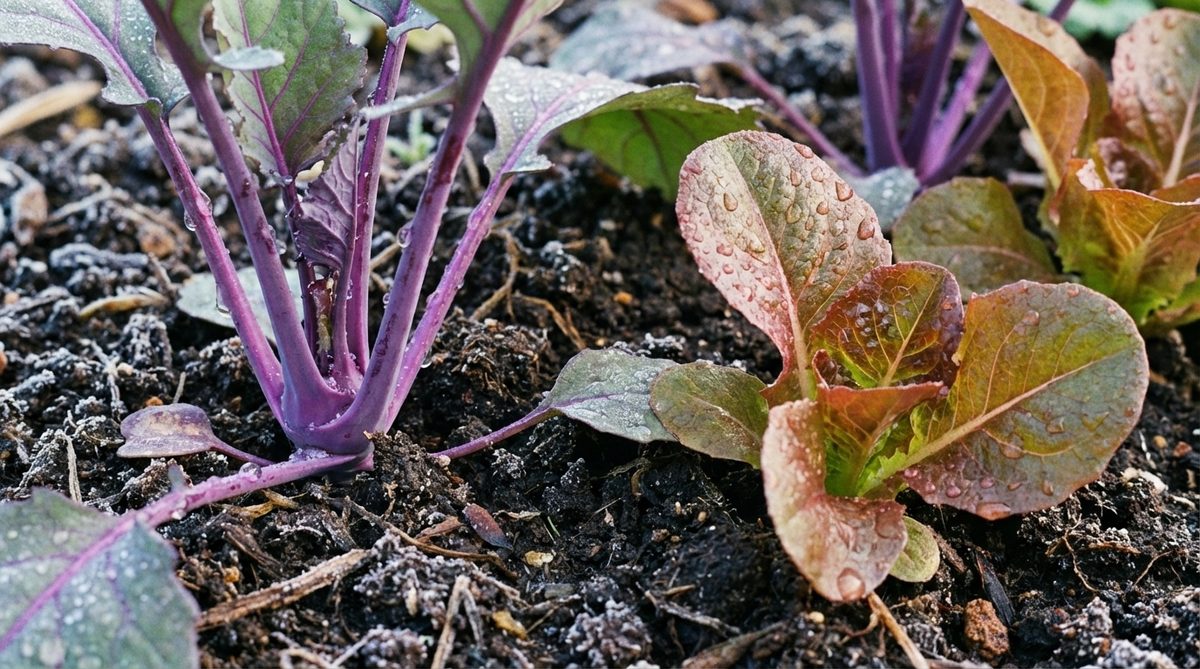
It feels like the garden is still frozen in place. The ground is hard, the air is biting, and mid-February offers little hope for spring. Most homeowners wait. They stay warm inside, flipping through seed catalogs and pretending the garden doesn’t exist.
This is a mistake.
Waiting for the “official” start of spring isn’t just cautious. It’s inefficient. There is a specific window right now where you can gain weeks on your harvest time. You just need to know which seeds survive the cold and how to plant them without wasting effort.
The secret isn’t heat. It’s resilience. You are looking for varieties that germinate when soil temperatures hover around 5°C. These aren’t delicate tropical exports. They are rugged plants designed to treat winter soil as a nursery.
Why Sowing Now Beats Waiting for Spring
Staying indoors is tempting. But nature doesn’t care about the calendar.
In February, daylight hours are lengthening. The sun isn’t just a memory anymore. While the ground may still feel cold to the touch, deep freezes are becoming less frequent. This shift creates a unique opportunity.
Sowing now forces plants to build strong root systems before the summer heat hits. It’s a survival tactic. By the time May arrives and droughts or fungal diseases become common, these plants are already established. They aren’t scrambling to find water. They have it stored deep in their roots.
There is another advantage that lazy gardeners love. The soil in February is naturally moist. Rain and snow provide all the hydration seeds need. You don’t have to carry water cans. You just have to provide a place for the seed to swell and begin its slow, steady growth.
Sowing early is a bet on the natural resilience of vegetation. It shifts the burden of care from the gardener to the plant’s genetic programming.
The Three Seeds That Survive the Freeze
Not every seed works in February. If you sow tomatoes or peppers now, you will lose them. You need varieties with documented cold tolerance. Three specific crops stand out for their ability to thrive in these conditions.
1. Parsnip
Parsnips are an underrated root vegetable. They have a subtle hazelnut flavor that roasted vegetables simply can’t match. The problem? They take a long time to grow.
Sowing them in mid-February gives them the extra weeks they need to develop thick, sweet roots. They are perfectly adapted to cool, fresh soil. Don’t expect instant results. Parsnips are slow. But the payoff in late summer is worth the wait.
2. Purple Celeriac (Chou-Rave)
Celeriac is a celery root. It’s often ignored because it looks rough. But purple varieties, like Blaro or Azur Star, are different. They aren’t just pretty. The purple color indicates high anthocyanin levels. This means they are tougher against the cold than white varieties.
Celeriac grows fast compared to other brassicas. It doesn’t need the same level of attention as head lettuces or cabbage. It forms its bulb quickly, beating the summer heat entirely.
3. Brown Winter Lettuce
This is the queen of cold-weather greens. Brown Winter Lettuce is a cut-and-come-again variety. The leaves are reddish-brown. They don’t rot in wet weather. They don’t bolt to seed prematurely when temperatures fluctuate.
While other salads turn to mush or flower too early, this lettuce sits quietly in the cold. It provides fresh greens in April and May when the rest of the garden is still waking up.
How to Prep Soil Without Destroying It
You don’t need heavy machinery. You don’t need to dig deep.
Turning over the soil in February disrupts the microbial life that is just starting to wake up. It also exposes moisture to freezing winds. Instead, you should just loosen the top layer.
Use a garden fork or a hand rake. Go down a few centimeters. That’s it. This aerates the soil. It allows those weak February sunbeams to penetrate deeper. It improves drainage so your seeds don’t rot in a puddle.
Spacing matters too. Germination in the cold is irregular. Some seeds take longer. Give them space. If they are too close, they will compete for the limited light.
For parsnips, germination is notoriously hit-or-miss. Mix your seeds with a little dry sand or coffee grounds. This makes them easier to see and space out. It’s a small trick that saves time later.
Cover the seeds lightly. Then, apply mulch.
A thin layer of organic mulch—hemp, flax, or shredded leaves—is essential. It protects the soil from heavy winter rains. It keeps the temperature at the seed level more stable. Don’t smother the ground. A thick layer will block the sprouts. If a hard freeze is forecast, a temporary horticultural fleece can help. Otherwise, the mulch is enough.
Harvesting Before Pests Arrive
Here is the real benefit of starting now. Health.
Pests operate on a schedule. The carrot fly and flea beetles arrive in late spring. They thrive in warm, humid conditions. By planting in February, your vegetables are already growing when these pests are still dormant or weak.
Your plants are ahead of the curve.
This means you can grow organically without sprays. The parsnip, celeriac, and winter lettuce bypass the most vulnerable stages of their life cycle before the big insect outbreaks begin.
The results are striking. Brown Winter Lettuce can be harvested leaf-by-leaf starting in April. It stays crunchy. It tastes sharper than store-bought spring mix.
Purple Celeriac is best harvested young. Think tennis-ball size. It is tender and sweet, nothing like the fibrous, bitter roots you might remember from childhood.
Parsnips stay in the ground longer. But because they started strong in February, their foundation is solid. This ensures they store well through the next winter.
The garden isn’t dead. It’s just waiting for you to give it the right signal. You have the seeds. You have the window. The rest is just patience.
There is a quiet rebellion in planting old varieties. It isn’t just about nostalgia. It is about survival. When you choose heritage seeds, you are opting out of the industrial standard. The big agro-food industry pushes F1 hybrids for a reason. They are uniform. They are predictable. But they are brittle.
Heirloom varieties have something hybrids rarely possess. Genetic diversity. This isn’t just a buzzword. It is a survival mechanism. These plants have been adapting to local soils and erratic weather for generations. They know how to handle stress. When you save these seeds, you are preserving a living library of plant intelligence.
Consider the current state of our springs. They are no longer reliable. We get late frosts. Then heatwaves. Then more frosts. It is chaos. Standard nursery plants often crack under this pressure. They are bred for controlled environments. They are not built for the wild swings of a changing climate.
Why grow your own seedlings in February?
Buying young plants in late winter is a gamble. You pay a premium. You often receive stock that has been sitting in a greenhouse too long. The roots are cramped. The stems are weak. Transplanting them into cold, unpredictable soil is a shock they may not survive.
Growing your own starts changes the equation. You control the environment. You choose the品种. You watch them grow. This autonomy is priceless.
Start seeds indoors in February. Use a simple light source. Keep them cool but not freezing. When you move them outside, they are already hardened. They are ready. They don’t panic.
The payoff of patience
The result is a garden that leads the season. While neighbors are waiting for the frost to fully break, your table is already being set. Imagine harvesting parsnips. Or purple kohlrabi. Or winter lettuce. These aren’t just vegetables. They are survivors.
They offer nutrients that early spring greens often lack. They carry history in their flavor profiles. You are eating something that has fought for its place in the soil. That tastes different. It tastes real.
Connecting with the rhythm
This isn’t just about food production. It is about understanding. It is about reading the land. When you plant these robust varieties, you stop fighting the calendar. You start working with it. You learn which crops can take the chill. You learn which ones need protection.
The satisfaction comes from that connection. From knowing exactly where your food came from. From watching a specific variety thrive where others would fail.
There is still time. The end of winter is short. But the window is open. Grab some seeds. Start the process. See what happens when you let nature do what it does best. Adapt. Survive. Produce.