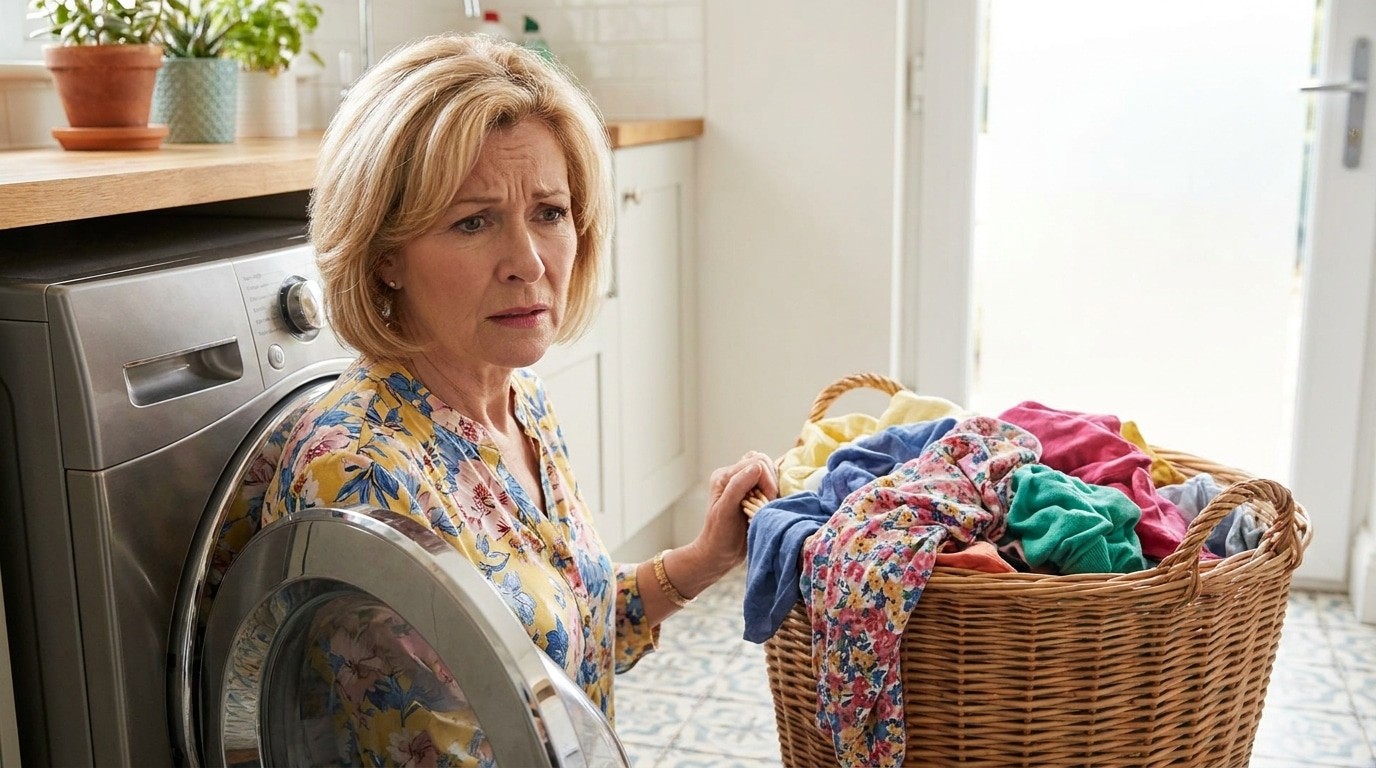
Running the washing machine “just because” feels harmless. A overflowing basket. A t-shirt to grab. Two bath towels. The machine goes. It’s a reflex.
Stop. Look at the annual bill. The cost adds up quietly. Water. Electricity. Detergent. Fabric softener. Wear and tear on the drum. You might even end up rewashing because the first cycle was wrong. The real shock comes when you tally it all up for a year. The budget climbs. You’re spending money on cycles that weren’t necessary.
There is a fix. It’s simple. It’s realistic. It lowers your wash frequency without sacrificing hygiene or letting laundry take over your home.
The Annual Cost of Daily Washing
A single cycle seems small. A few hours of running. A spinning drum. But repeat that almost every day, and the weight hits hard. It’s not just electricity. The water usage alone is significant. So is the detergent. The softener. The gradual damage to your appliance.
Think of it as a domino effect. You start a half-load. The next day, you have another load. Then another. You never reach a full, efficient rhythm. You end up with more cycles. Sometimes you pick long “intensive” programs just to be safe. Your clothes age faster.
Put a mental number on that repetition. Change from an automatic habit to a conscious decision. That shift alone gives you back control.
The 48-Hour Rule Explained
The most effective trick isn’t doing less laundry. It’s doing better laundry. Adopt a stable cadence. Use the 48-hour laundry rule.
Group your needs. Run the machine every two days instead of chaining half-loads daily. This breathing room lets you fill the drum properly. It prevents clothes from piling up, provided you organize the collection process slightly.
You only need two containers. A main laundry basket. A secondary light bag, like a tote or cabas, for items needing quick attention. This separates “wash fast” from “wash later.”
For sweaty gym clothes? Hang them on a hanger to air out before they hit the basket. This stops odors. The rule holds up in summer too. Increased sweat doesn’t mean more frequent washes. It means better ventilation and smarter cycle choices. Not just more cycles.
Smart Sorting to Avoid Rewashing
To make the every-other-day rhythm stick without frustration, you need smart sorting. Sort by color and soil level. This prevents errors that lead to rewashing.
A bad cycle choice kills savings. Too cold? Too short? Or overly long? It can leave smells or stains. That triggers a second machine. All your economizing vanishes.
Adopt a batch logic. One load for lights. One for darks. One for “sport and towels” when needed.
Don’t overdose detergent. Don’t default to intensive cotton settings. Pick a program that matches the load. Reserve high temperatures for items that truly need them.
Use this quick guide to decide fast:
- Light colors together. Keeps brightness intact. Prevents graying.
- Dark colors together. Limits transfer. Preserves intensity.
- Heavily soiled items separate. Gym wear, rags. Use the right program. Don’t mix.
- Full drum. Aim for a well-filled tub. Don’t pack it tight. Wash efficiently.
This smart sorting cuts daily mishaps. Fewer rushed cycles means fewer forgotten items in the drum. Fewer musty smells. Fewer ironing sessions when the right program is chosen. The result quality goes up. The machine count goes down.
Why This Works for Homeowners
Switching to the 48-hour laundry rule stabilizes your annual budget. Your home feels less cluttered. You don’t compromise on clean clothes. Grouping cycles by color and soil, filling the drum correctly, and selecting the right program avoids rewashing. Rewashing is usually more costly than you think.
The question is simple. What small adjustment in your basket setup will help you hold this rhythm starting next week?