


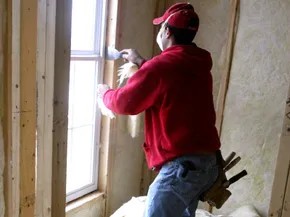
Put your hand near the window sill on a windy night. Feel that bite? That is cold air sneaking in. Even if you can’t feel a draft, the glass itself might be the problem. Old single-pane windows are basically just thin sheets of glass standing between you and the elements. They do nothing to stop heat loss. In colder parts of the United States, poorly insulated windows are responsible for 15 to 35 percent of winter heat loss. That is a huge chunk of your heating bill vanishing into thin air.
Down in the Sun Belt, the problem flips. Summer sun blasts through the glass, heating up your living room and forcing your air conditioner to run constantly. Your electric bill spikes. You want natural light, right? But you also don’t want to pay for the privilege. The fix is the same for both climates. You need to insulate your windows. A better barrier keeps heat in during winter and blocks solar gain in summer.
There are a lot of ways to how to insulate windows effectively. Some methods are cheap. Some are complicated. You can install storm windows or upgrade to double-glazed high-performance glass. That works. Or you can hang thermal shades. That works too, but you lose the view. There are insulating panels you stick on the inside. And if you are truly broke, bubble wrap actually helps.
Before you buy anything, you need to diagnose the issue. Play detective. Where is the cold coming from? Is it a draft from the sill? Weather-stripping might be all you need. Is the problem the window jambs—the space where the frame meets the wall? That might require deeper work.
Think about what you are willing to sacrifice. Do you need to block the view? Can you live with less light? Are you looking for a permanent fix or a seasonal patch? Cost matters. Rubber weather-stripping costs pennies. Spraying insulation into the jambs costs more and might need a pro. Aesthetics matter too. Caulk and vinyl sheeting look different than tasteful thermal curtains.
Measure your windows carefully. Measure the panes, the casings, and the frames. If you are mounting shades inside the casing, you stop airflow more efficiently than mounting them outside. Now let’s talk about the actual work.
How to insulate windows with plastic film kits
Plastic insulation film is the go-to for many homeowners. It is cheap. It is available at any hardware store. The kit usually includes a large sheet of plastic and double-sided tape.
Here is the process:
- Stick the tape around all four sides of the window frame.
- Mount the plastic film over the tape. Make sure it covers the whole window.
- If you have Venetian blinds, you have a problem. The film blocks the controls. Cut a small hole for the control rod so you can still open and close the blinds.
- Trim the excess plastic with scissors or a utility knife.
- Use a hair dryer. This is the key step. Blow hot air on the film. It tightens. It shrinks. It creates a firm, wrinkle-free seal.
This creates an air pocket between the glass and the film. That pocket acts as insulation. It is not pretty, but it works.
How to insulate windows with drapes and shades
Curtains help. Most people hang them for looks, not function. That is the mistake. To stop air flow, the seal has to be tight. You cannot have gaps between the drape and the window frame, the sill, or the floor.
Air circulating behind the curtain ruins the insulation value. You need to seal that gap. Use weights. Magnets work well. Velcro is effective. Snaps or staples can hold the fabric tight against the frame.
You can buy thermal shades or make them yourself. DIY is cheaper. You can insert these shades behind existing drapes or shutters. The goal is to stop room air from mixing with the cold air layer right next to the glass. If you do that, you keep the heat in.
Bubble wrap insulation for single pane windows
Cheap. Fast. Surprisingly effective.
If you have old single-pane glass, you are losing heat through it like a sieve. About half of American homes still have these energy vampires. You don’t need a contractor to fix the immediate leak. You need bubble wrap.
Here is the trick. Mist the inside of the glass with water. Use a spray bottle. Just a fine mist. Slap the bubble wrap on. Bubbles facing the glass. The water acts as the adhesive. That’s it. No tape needed if you want it temporary, though a strip of painter’s tape at the corners keeps it from sliding down in a breeze.
It stays up for months. It doubles the insulation value of that naked pane. It looks ugly, sure. But it keeps the cold out.
Why insulating windows saves money and stops drafts
You might ask, why bother? Why not just crank the thermostat?
Windows are where the house breathes out its warmth. Or sucks in the cold. The heat loss happens in four ways. Knowing which one is killing your bill changes how you fix it.
- Infiltration. Air leaks directly through gaps in the frame. That’s the draft you feel on your face.
- Conduction. Heat passes straight through the glass. Cold glass feels cold because it is stealing heat from the room.
- Radiation. Heat radiates from warm objects to cold ones. Up to 65% of your heat loss can be this simple physics problem.
- Convection. Hot air rises. Cold air sinks. The icy window chills the air next to it. That cold air drops to the floor. It pulls more air behind it. A cycle of misery.
Insulating breaks this cycle. It stops the air from moving. It warms the surface of the glass. When the glass isn’t an ice block, the room stays even. No cold spots. No condensation running down the sill. Better air quality, too, because you aren’t fighting a losing battle against the outside temperature.
Understanding R-value in window insulation
How do you know if your fix actually works? Look at the R-value.
R-value measures thermal resistance. Higher number means better insulation.
A standard single-glazed window sits at about R-1. That is barely anything. It is a sieve. Adding a second pane helps. Maybe gets you to R-2 or R-3.
Fiberglass windows? Some claim up to R-11. That is a massive jump. But you aren’t replacing the window. You are insulating it.
Bubble wrap? It acts as a dead air space. It boosts that R-1 significantly. Not to R-11. But enough to matter.
The goal isn’t perfection. It is progress.
Stop the convection. Block the infiltration. Keep the radiation in.
Your wallet will thank you. The planet, less so, but still.
You have the tools. You have the bubble wrap. The water. The wall.
Do the work.

