You look out at your garden in August. It looks tired. Maybe you skipped a watering in July. Or maybe the heat just baked everything into the ground. Most crops have already peaked. They’re done.
But here is the thing about late summer: it’s not the end. It’s actually a second spring.
Professional gardeners know that if you plant the right crops now, you can still harvest before the first frost. You don’t have to wait until spring for fresh produce. You just have to know what works in the cooling air.
Leafy Greens: The Undisputed Kings of Autumn
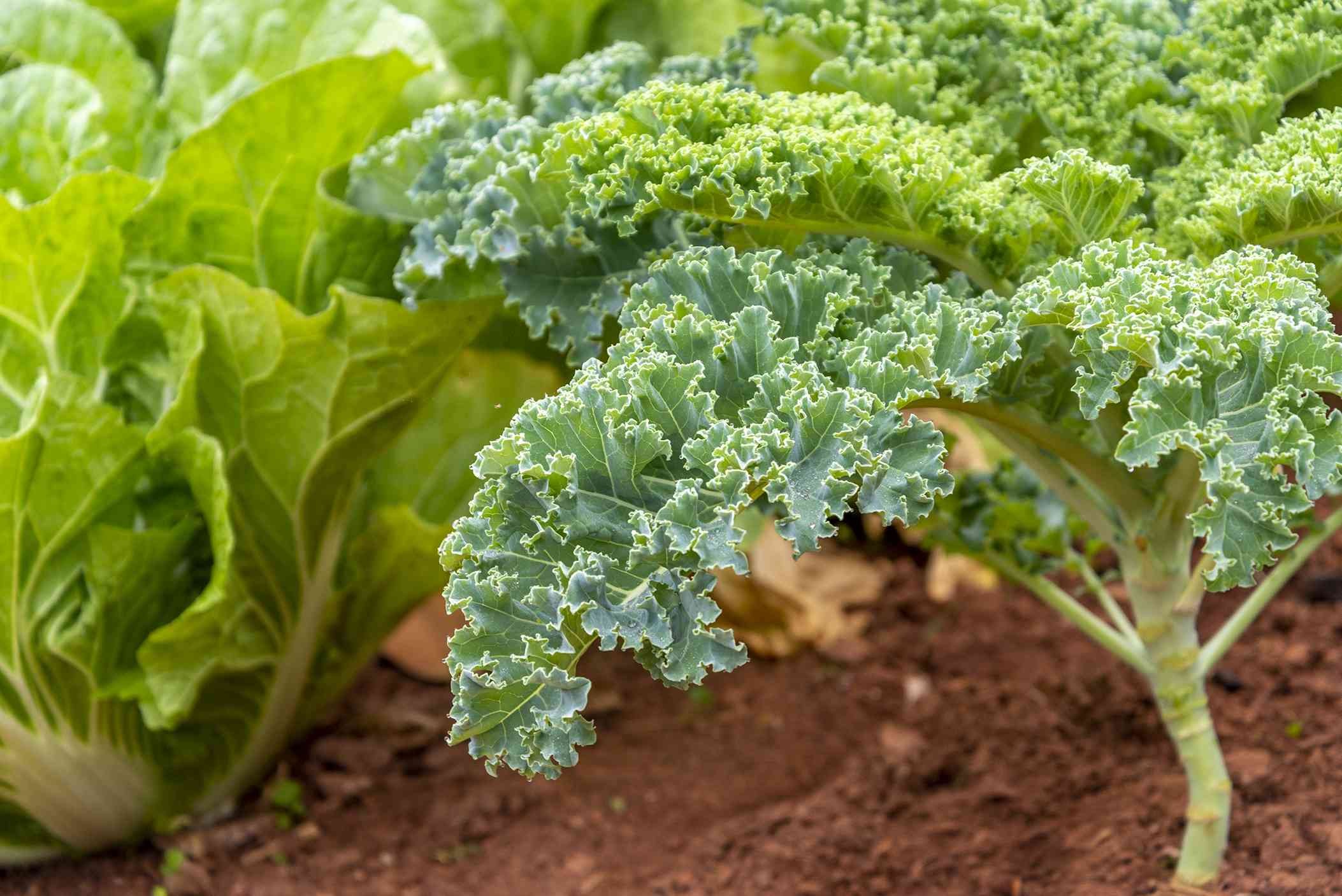
When temperatures drop, leafy greens don’t just survive. They thrive. They scream fall, according to Farmer Lee Jones. This is when kale, bok choy, spinach, swiss chard, and mustard greens put on their best flavor show.
Jones says these crops are perfect for an August start. The early fall temperatures sharpen their taste.
Then there is Malabar spinach. Don’t let the name fool you. It isn’t spinach at all. It’s a vine that loves the heat. Gardener Nicole Jagielski calls it the perfect replacement for cool-weather greens when summer temps soar.
“While this isn’t actually a spinach,” Jagielski explains, “it’s one of the only leafy greens
Tip: Plant Malabar spinach near a trellis. Let it climb. It’s ready to harvest in just 45 days.
If you want speed, Malabar spinach gives you quick results. If you want volume, standard leafy greens are your best bet.
Basil: The Cycle Continues
Your spring basil plants are looking sad. They’ve flowered. They’ve bolted. That’s normal. Basil has a short life span. Usually, by the time your tomatoes are ripening in late summer, the basil is finished.
So why not start a new batch?
Planting basil in August ensures you have enough leaves for caprese salads when you need them most. Jagielski recommends a sunny spot. You need to keep this crop hydrated. Late-summer heat waves are brutal on tender herbs.
You can harvest immediately after planting, but be gentle. Don’t take more than a third of the plant at once. Give it room to regrow.
Cauliflower: Sweetened by the Chill
Cauliflower needs cool nights. Real cool nights.
For Jones, cauliflower is synonymous with fall. It loves the mild air of late September and early October. In colder climates, late summer might actually be the ideal time to sow seeds. You avoid the harsh spring cold while catching the perfect autumn warmth.
“Nice cool nights make for extraordinary cauliflower,” Jones notes.
The sugar content concentrates in the heads as nights get colder. If you want the best flavor, you need the temperature drop.
Bush Beans: Constant Production
Want a harvest every time you step outside? Bush beans deliver.
Jagielski says these plants produce a tremendous amount of beans relative to their size. They are workhorses in the garden. The secret isn’t just planting them once. It’s succession planting.
Strategy: Sow bean seeds every two weeks.
This method guarantees consistent harvests right up until the frost kills them. You won’t run out. You won’t have a massive surplus all at once. You’ll have a steady stream of fresh beans.
Radishes: Instant Gratification
Some crops take months. Radishes don’t.
If you need results now, Jones points to radishes. They are the closest thing to instant gardening gratification.
In the right conditions, you can harvest these radishes in as few as three weeks. That’s it. Three weeks. You plant, you wait a month, you eat. It’s hard to beat that efficiency in August.
So, check your seeds. Check your calendar. The garden isn’t done yet.