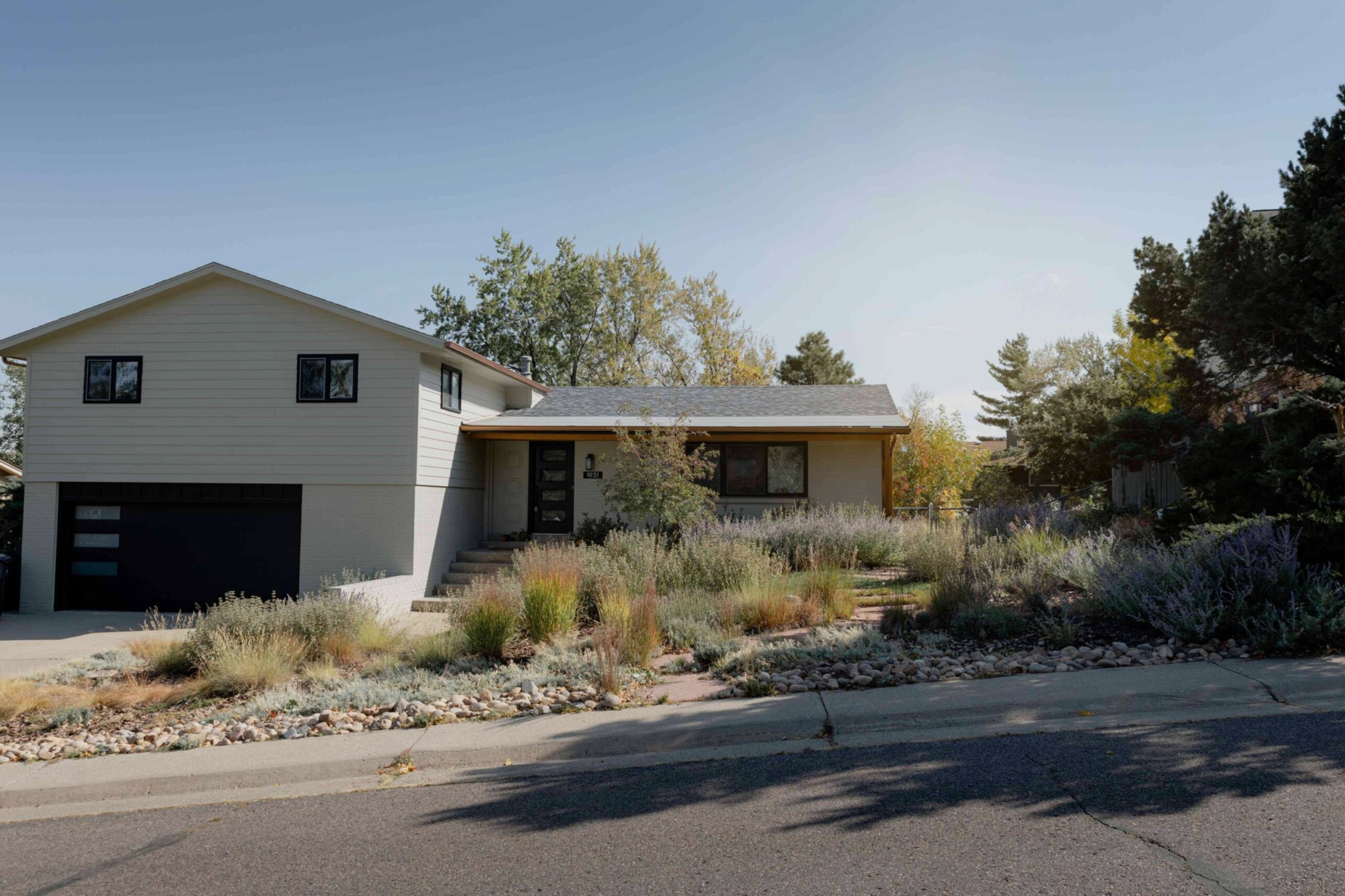
More homeowners are trading traditional lawns for low-maintenance, eco-friendly alternatives. The shift isn’t just aesthetic; grass lawns consume excessive water, require harmful pesticides, and contribute little to local ecosystems. Replacing grass with drought-resistant options is becoming increasingly practical, affordable, and visually striking.
This article explores seven expert-backed ideas to transform your front yard into a beautiful, sustainable landscape.
1. Low-Water Groundcovers: A Lush, Effortless Alternative
Instead of thirsty turfgrass, consider low-water groundcovers. These plants provide a carpet-like effect without the high maintenance.
Landscape designer Dominique Raymond recommends white clover, creeping thyme, and Turkish Veronica as excellent choices. For a meadow-like feel, native grasses and wildflowers like winecups offer long-lasting blooms. Avoid artificial turf; it disrupts soil health and provides no benefit to pollinators.
2. Ornamental Grasses: Texture and Movement Without the Work
Longer, flowing ornamental grasses offer a dynamic alternative to rigid lawns. Gardening expert Laura Janney suggests blue grama, little bluestem, or prairie dropseed for their texture and movement. These grasses grow quickly, require minimal upkeep, and add visual interest year-round.
3. Succulent Gardens: Perfect for Dry Climates
Succulents thrive in arid conditions, making them ideal for drought-prone regions. Raymond notes that succulents create colorful, low-water landscapes, especially in rocky, well-draining soil. Consider incorporating edible elements like raised vegetable beds or berry shrubs to maximize space and functionality.
4. Wildflower Gardens: A Pollinator Paradise
Wildflower gardens are vibrant, low-maintenance, and attract essential pollinators. Raymond suggests four-season perennial wildflower gardens for year-round color and support for bees, butterflies, and birds. Adding diverse plant species enhances visual appeal and biodiversity.
5. Evergreen Shrubs: Winter Interest and Year-Round Beauty
Evergreen shrubs provide structure and color even during colder months. Both Raymond and Janney recommend focusing on perennials and grasses with winter interest, such as coneflowers. Choose plants that produce seed heads for migrating birds and groundcovers like coral bells for shady areas.
6. Drought-Tolerant Plants: Xeriscaping for Hot Climates
Xeriscaping, or drought-tolerant landscaping, is perfect for warmer regions. Janney recommends incorporating tropical plants and perennials that thrive year-round. Raymond highlights creeping thyme, creeping phlox, and Veronica as low-water options.
7. Native Gardens: Supporting Local Ecosystems
Using native plants ensures compatibility with your local climate and supports biodiversity. Raymond emphasizes that native plantings require less water and benefit local wildlife. Selecting plants suited to your USDA hardiness zone guarantees their success.
Beyond Plants: Finishing Touches for a Stunning Lawn-Free Yard
To maximize the impact of your grass-free front yard:
- Create visual interest with varying plant heights, tiers, benches, and layered garden beds.
- Use stones for pathways, boundaries, and decorative elements.
- Add mulch temporarily while planning your design.
- Research native plants to ensure compatibility with your local environment.
Transitioning to a grass-free front yard is not just an aesthetic choice; it’s a sustainable solution that reduces water consumption, supports local ecosystems, and enhances curb appeal. By embracing these alternatives, homeowners can create beautiful, low-maintenance landscapes that benefit both their properties and the environment.