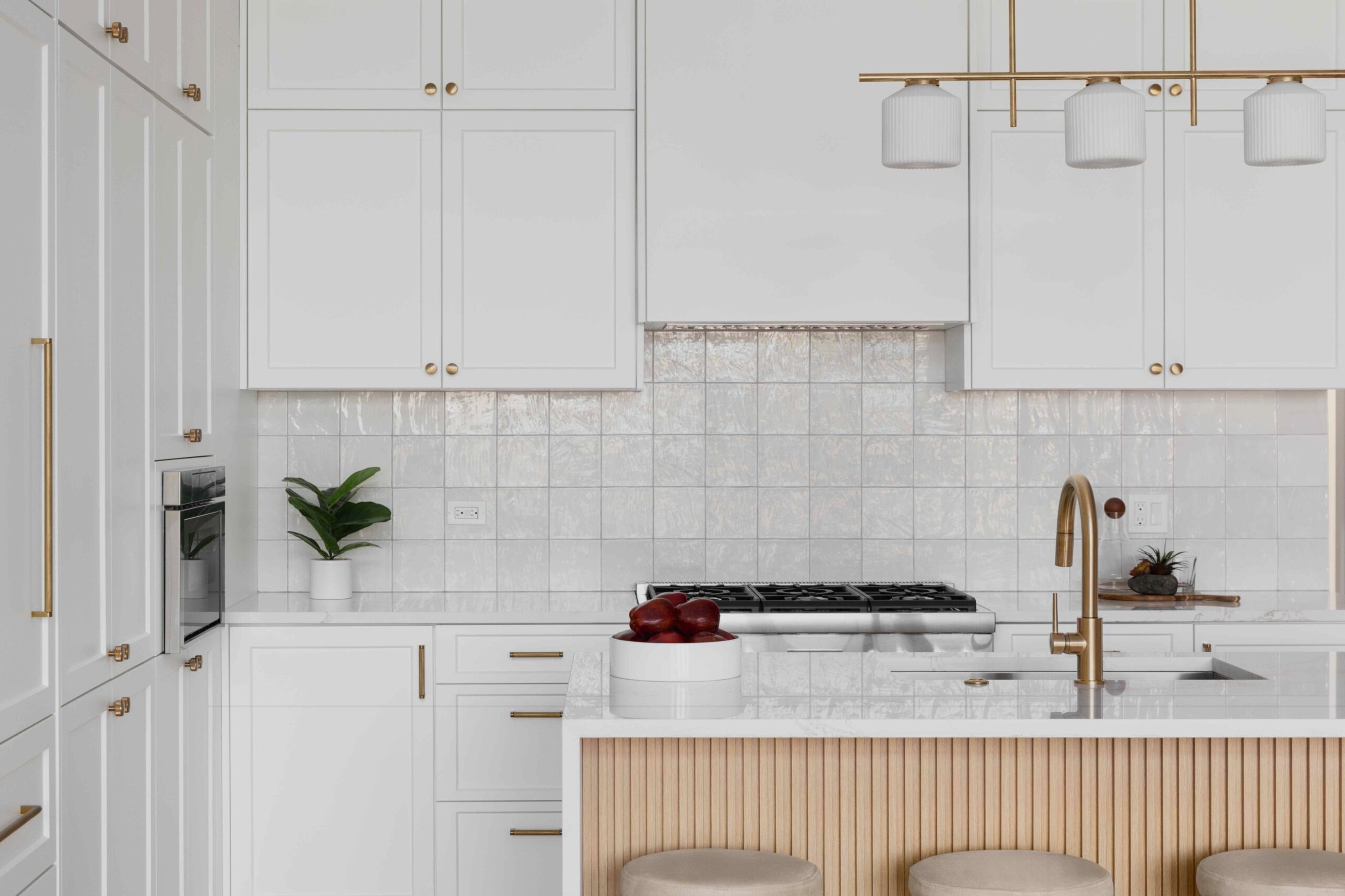
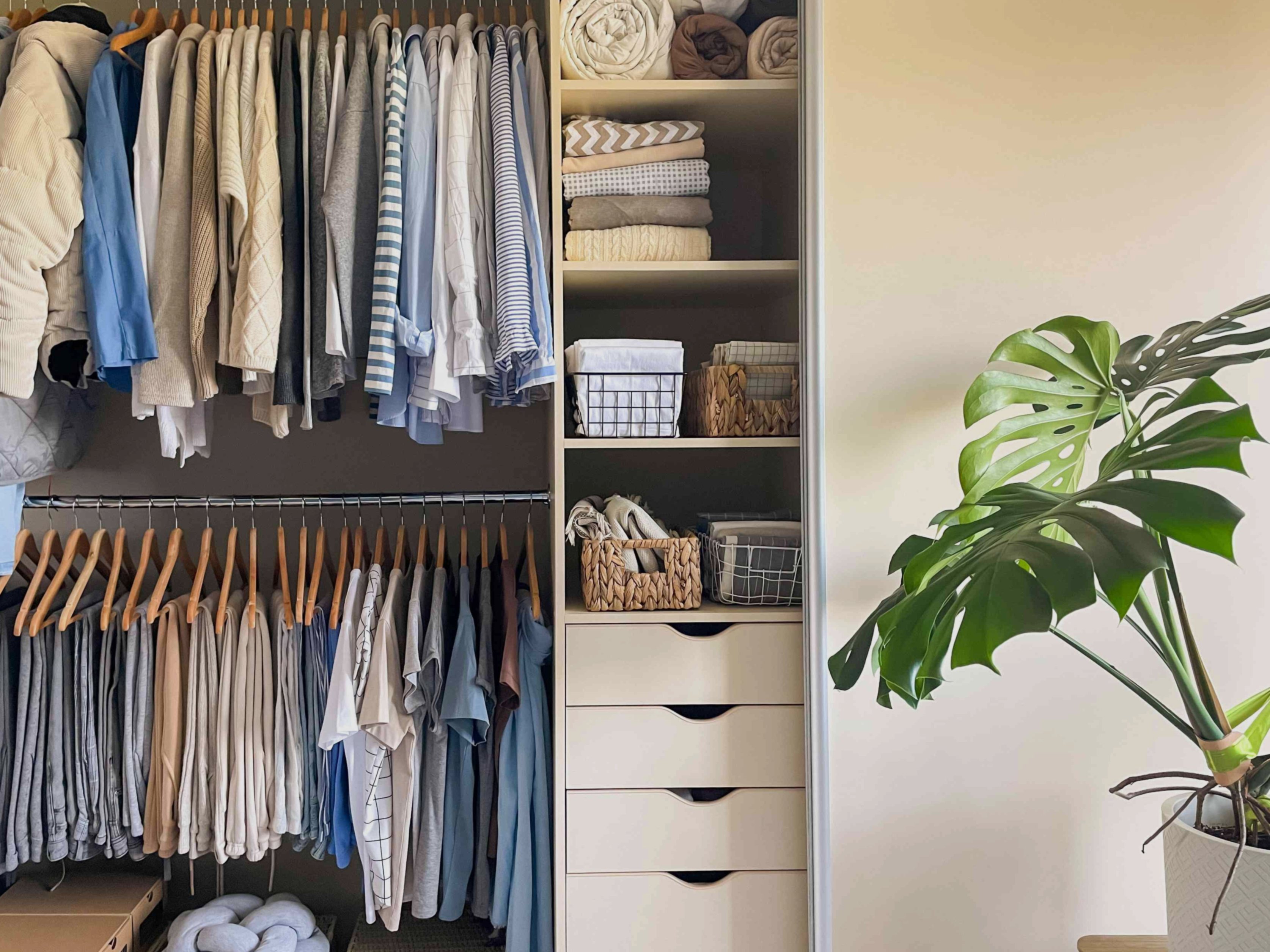
Interior designers consistently advise homeowners against using bright white for trim, despite its perceived neutrality. The issue isn’t boldness, but an often jarring, unwelcome effect. While seemingly harmless, this choice can clash with wall colors, highlight imperfections, and even make rooms feel colder.
Why Bright White Fails
Experts like Alisa Popelka point out that ultra-bright white “can appear harsh and unwelcoming.” Hannah Oravec of Lawless Design adds that it “can read cold, and almost fluorescent, especially against softer wall colors.” This isn’t merely aesthetic; the problem lies in undertones. Most bright whites contain cool blue or gray undertones, which clash with warmer wall paints, making them appear dull or dirty in comparison.
Chuck Reger from Five Star Painting explains that these undertone clashes are common. Bright white also unforgivingly shows dirt, dents, and brush marks. Furthermore, the effect changes with lighting, making it more unpredictable than warmer shades.
Other Trim Colors to Avoid
While bright white is the primary offender, other colors can disrupt a room’s balance. Primary colors like red dominate visually, creating a stressful atmosphere. Cool grays flatten architectural details, making spaces feel washed out and lifeless—trim should enhance, not detract.
Designer-Recommended Trim Colors
To elevate a room effectively, designers suggest several alternatives. Warm neutrals (softer whites, creams, and beiges) create a timeless look and hide imperfections better than bright white. Increasingly popular is color drenching : painting walls, ceilings, and trim the same hue. Reger notes this trend “can make a room appear taller, calmer, and more modern,” unlike high-contrast trim that can feel busy and shrink space.
Finally, dark shades like navy, forest green, or charcoal add depth, especially to doors. These colors offer character without the harshness of bright white.
Ultimately, choosing the right trim color requires understanding undertones and how they interact with other elements in the room. Knowing what to avoid streamlines the decision process, making the trip to the paint store less daunting.