Many kitchen designs prioritize aesthetics over practicality, leading to surfaces that trap dirt and grease rather than repel them. Cleaning professionals reveal six common choices that make kitchen maintenance significantly more difficult. The problem isn’t just laziness; certain materials and layouts are inherently harder to keep clean.
The Trouble With Tile: Grout and Its Grip
Tile countertops, backsplashes, and floors are frequently chosen for their appearance, but their grout lines act as magnets for food particles, spills, and stains. Tanu Grewal, a cleaning expert, points out that thick grout lines require excessive scrubbing and time to maintain. This isn’t just about effort; uncleaned grout harbors bacteria and mold, impacting hygiene.
Porous Materials: Marble’s Hidden Messes
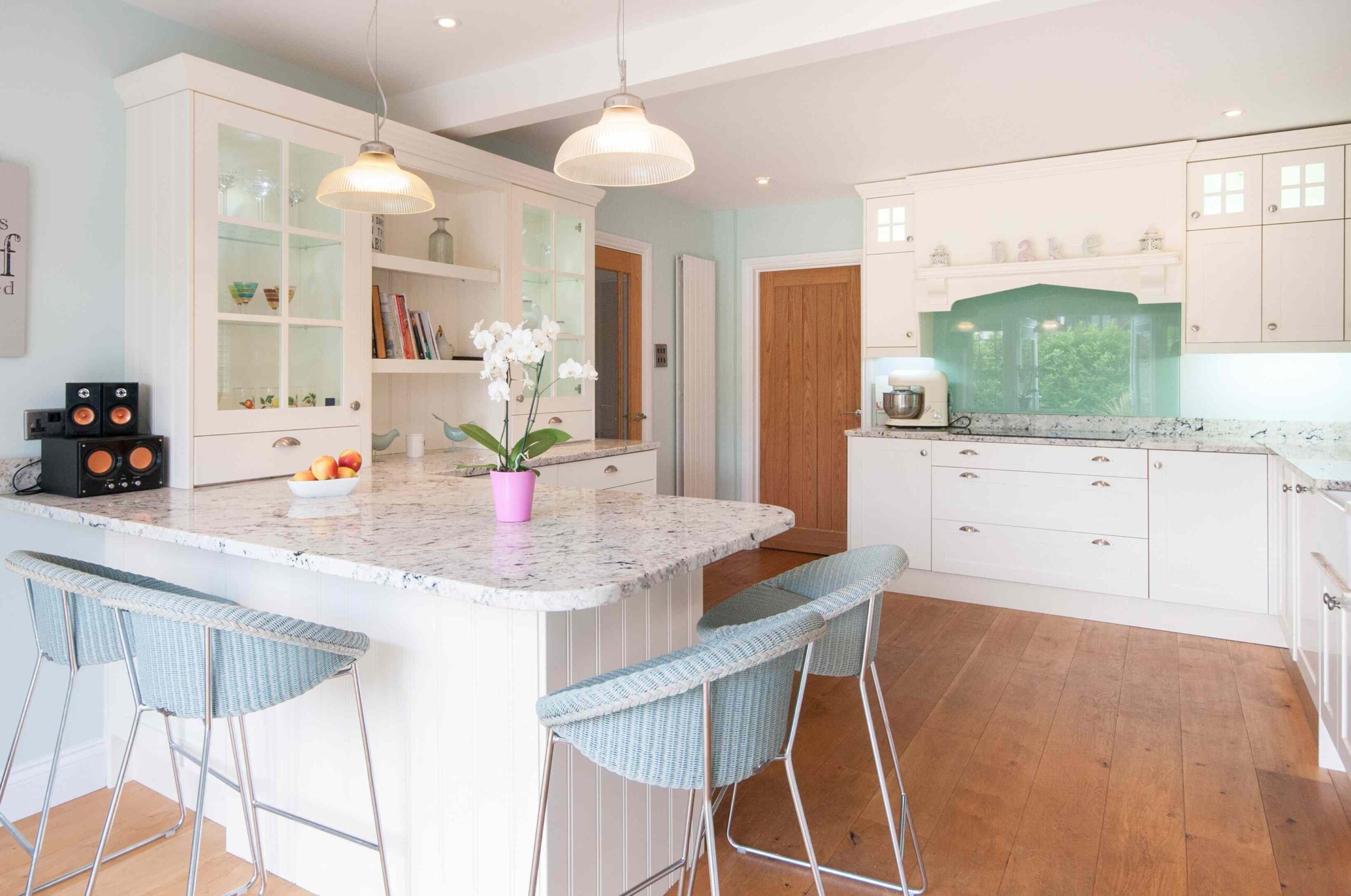
Highly textured surfaces, like heavily marbled countertops, can disguise messes while actually making them harder to detect and remove. Danielle Moore, a cleaning service founder, explains that it becomes difficult to distinguish between residue and the stone pattern itself. Quartz and polished granite offer a better alternative because they are non-porous, meaning spills don’t soak in.
Butcher Block: A Stain Magnet
Butcher block countertops, while aesthetically pleasing, are highly porous and absorb water, oil, and food stains. Robin Murphy, another cleaning expert, emphasizes that regular oiling is essential, but even then, standing moisture can cause damage. This makes them less hygienic than solid-surface alternatives.
Unwashable Chairs: A Breeding Ground for Dirt
Kitchen chairs made from wicker, tufted fabric, mesh, or fuzzy materials trap food debris and become high-maintenance quickly. Moore recommends leather or removable performance fabric seating for easy cleaning. Faux leather might seem convenient but cracks and peels with repeated cleaning, making it a poor long-term choice. Darker upholstery hides stains better than light colors, and smooth surfaces wipe clean more easily.
Floors That Fight Back: Wood and Terrazzo Issues
Natural wood floors, especially those with worn sealant, are difficult to clean because moisture seeps in, causing staining and warping. A poorly sealed or maintained terrazzo floor suffers similar issues, losing its shine and becoming prone to stains. Both materials require constant vigilance to prevent damage.
Cabinets Designed for Dust: The Hidden Problem
Cabinets that don’t reach the ceiling collect dust in hard-to-reach spaces. Grewal suggests that cabinets touching the ceiling are more practical for cleanliness. Open shelving exposes dishes to more bacteria and debris, undermining their protective function. Shaker-style and raised-panel cabinets also pose a challenge; their grooves trap crumbs and make thorough cleaning difficult.
Ultimately, a clean kitchen depends on choosing materials and designs that prioritize ease of maintenance over fleeting trends. Ignoring these factors leads to unnecessary effort, hygiene risks, and a kitchen that always feels dirtier than it is.