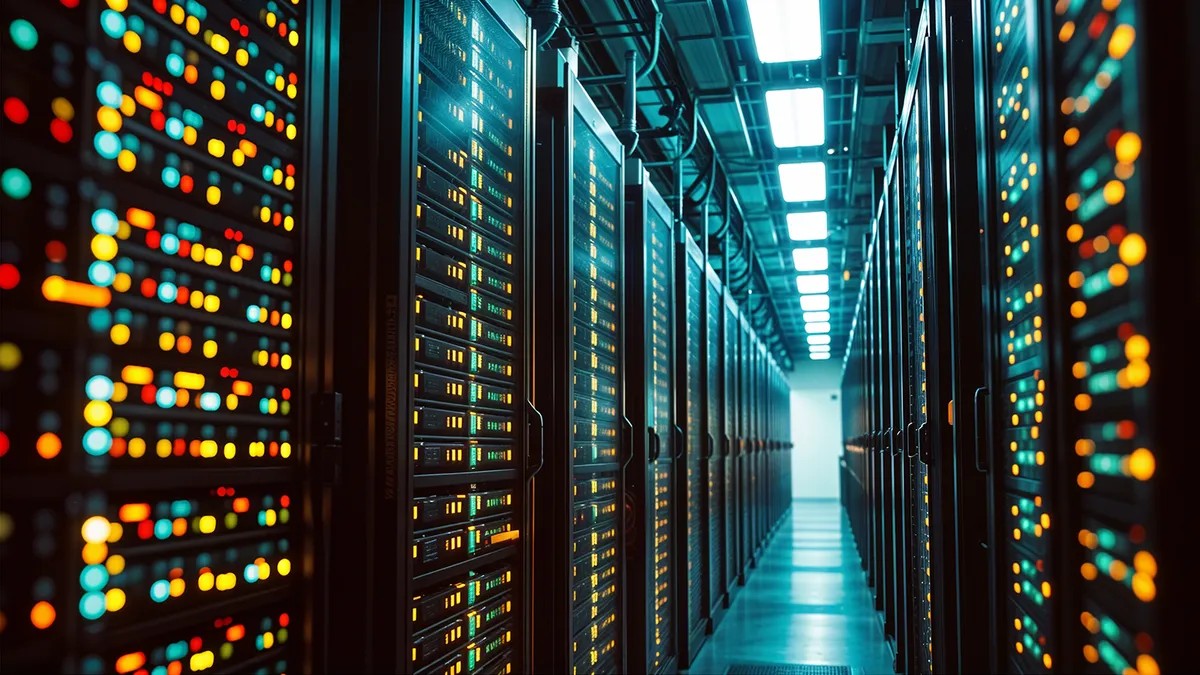
The global digital economy is undergoing a massive physical transformation. As artificial intelligence (AI), cloud computing, and big data analytics accelerate, the infrastructure required to support them is becoming one of the most capital-intensive sectors in modern construction.
According to McKinsey, global investment in data center infrastructure could reach $6.7 trillion by 2030. This surge is driven by a fundamental technological shift: modern data centers are no longer mere warehouses for servers; they are highly specialized, energy-hungry industrial hubs designed to manage extreme heat and massive electrical loads.
The Drivers of Astronomical Costs
Building a mega-campus is a staggering financial undertaking. The cost is not merely found in the computing hardware, but in the massive “invisible” infrastructure required to keep it running:
- Power Infrastructure: Electrical systems can account for 40% to 45% of a major facility’s construction bill. This includes substations, transformers, and backup generators.
- Thermal Management: AI workloads generate intense heat. Consequently, operators are investing heavily in advanced liquid and water-cooling systems.
- Connectivity & Latency: Proximity to fiber optic routes and population centers is vital. “Low latency”—the speed at which data travels—is a competitive necessity for AI and enterprise software.
- Resilience: To ensure 24/7 uptime, these sites require massive backup power systems and robust protection against natural disasters.
High-Stakes Projects: The Multi-Billion Dollar Leaders
The following projects represent the cutting edge of data center investment, characterized by their massive scale and enormous price tags.
The $10B+ Tier: Massive Planned Campuses
Several upcoming projects demonstrate how the “standard” for large-scale builds is shifting toward the ten-billion-dollar mark:
* Project Sail (Newnan, Georgia): Estimated at $17 billion, this is one of the most expensive proposed projects. Georgia’s appeal lies in its access to major fiber routes and a strong Southeast labor market.
* Meta’s Richland Parish Data Center (Louisiana): A $10 billion build designed specifically to support the dense chip clusters required for AI training.
* Compass Datacenters (Meridian, Mississippi): Also valued at approximately $10 billion, signaling that mega-builds are becoming a standard industry response rather than rare exceptions.
The Regional Powerhouses: Strategic Hubs
- Tract Data Center Campus (Lockhart, Texas): A massive planned campus where costs are driven by land acquisition and the specialized infrastructure needed for phased construction.
- Cologix Johnstown Campus (Ohio): Valued at $7 billion, this project highlights the shift in geography. Ohio has become a critical hub because it offers a balance of utility availability and proximity to major markets without the extreme land costs of coastal regions.
- Switch Citadel Campus (Tahoe-Reno, Nevada): While specific budget figures are undisclosed, its scale is immense, designed for 7.2 million square feet and up to 650 megawatts of power—enough to rival the electricity consumption of a small city.
The Chinese Giants: Scale on an Unprecedented Level
China is building “information industrial zones” at a scale that often lacks public price transparency but commands massive resources:
* China Telecom Data Center (Inner Mongolia): Potentially the largest in the world by floor area, spanning roughly 10.7 million square feet.
* Harbin Data Center: Covering 7.1 million square feet, this facility highlights the importance of climate; northern regions offer cooler temperatures that can help offset cooling costs.
* Range International Information Hub (Langfang): A 6.3 million square foot facility built to provide the massive throughput required for global streaming and search services.
The Energy Challenge: A Sustainability Mandate
The rapid expansion of data centers brings a significant environmental challenge. In 2024, data centers consumed approximately 415 terawatt-hours of electricity—about 1.5% of global consumption.
As demand grows, energy efficiency is moving from a public relations talking point to a core business necessity. Major players like Google are targeting carbon-free operations by 2030. For operators, the goal is to find locations that offer:
1. Access to renewable energy grids.
2. Natural cooling advantages (colder climates).
3. Grid resilience to prevent massive outages.
The Future Outlook
The scale of growth is staggering. In the U.S., electricity demand for data centers is projected to grow at a compound annual rate (CAGR) of 23% between 2024 and 2030. Emerging markets like Phoenix, Salt Lake City, and the Las Vegas/Reno corridor are expected to add massive capacity, with the latter potentially requiring enough power for 3.1 million homes.
Conclusion: The data center industry is no longer just about storing information; it is a high-stakes race to secure the power, cooling, and land necessary to fuel the AI revolution. The central challenge for the next decade will be building this infrastructure fast enough to meet demand while ensuring it remains sustainable and energy-efficient.