Staying warm during the cold season is a priority, but many homeowners unknowingly sabotage their efforts with preventable mistakes. From neglecting basic maintenance to misusing thermostats, these errors can drive up energy bills and reduce comfort. This guide breaks down the most common heating pitfalls identified by HVAC professionals and offers practical solutions to optimize your home’s warmth and efficiency.
The Hidden Costs of Neglect
Many homeowners assume their heating systems will simply work, but that’s rarely the case without consistent upkeep. Ignoring even small issues can lead to significant energy waste and premature system failure. The cumulative effect of these mistakes can easily add hundreds of dollars to your winter bills.
Key Mistakes and Solutions
Here’s a breakdown of the most common home heating errors, along with how to correct them:
1. Dirty Air Filters: A Silent Energy Drain
A clogged air filter forces your furnace to work harder, reducing efficiency and increasing energy consumption. Brad Roberson of Aire Serv Heating & Air Conditioning emphasizes that neglecting filter changes is one of the most frequent mistakes homeowners make.
- Solution: Replace air filters every 30 to 90 days, depending on usage and air quality. Set a monthly reminder to avoid forgetting.
2. DIY Maintenance: Simple Tasks with Big Impact
Homeowners often underestimate the maintenance they can handle themselves. While professional servicing is crucial, several tasks can be done independently:
- Flame Sensor Cleaning: A quick 30-minute job to improve flame efficiency.
- Duct Cleaning: Vacuum visible sections of ductwork to remove dust and debris.
- Condensate Pump Maintenance: Clean the reservoir and replace the pump if necessary.
3. Skipping Professional Tune-Ups: A Risky Gamble
While DIY maintenance helps, annual professional servicing is non-negotiable. Certified HVAC technicians can catch hidden issues like dirty coils that reduce efficiency. Bill Taylor of South Jersey Gas notes that regular maintenance ensures optimal performance and reduces long-term costs.
- Solution: Schedule an annual HVAC tune-up to prevent costly breakdowns and maintain peak efficiency.
4. Outdated Thermostats: A Waste of Energy
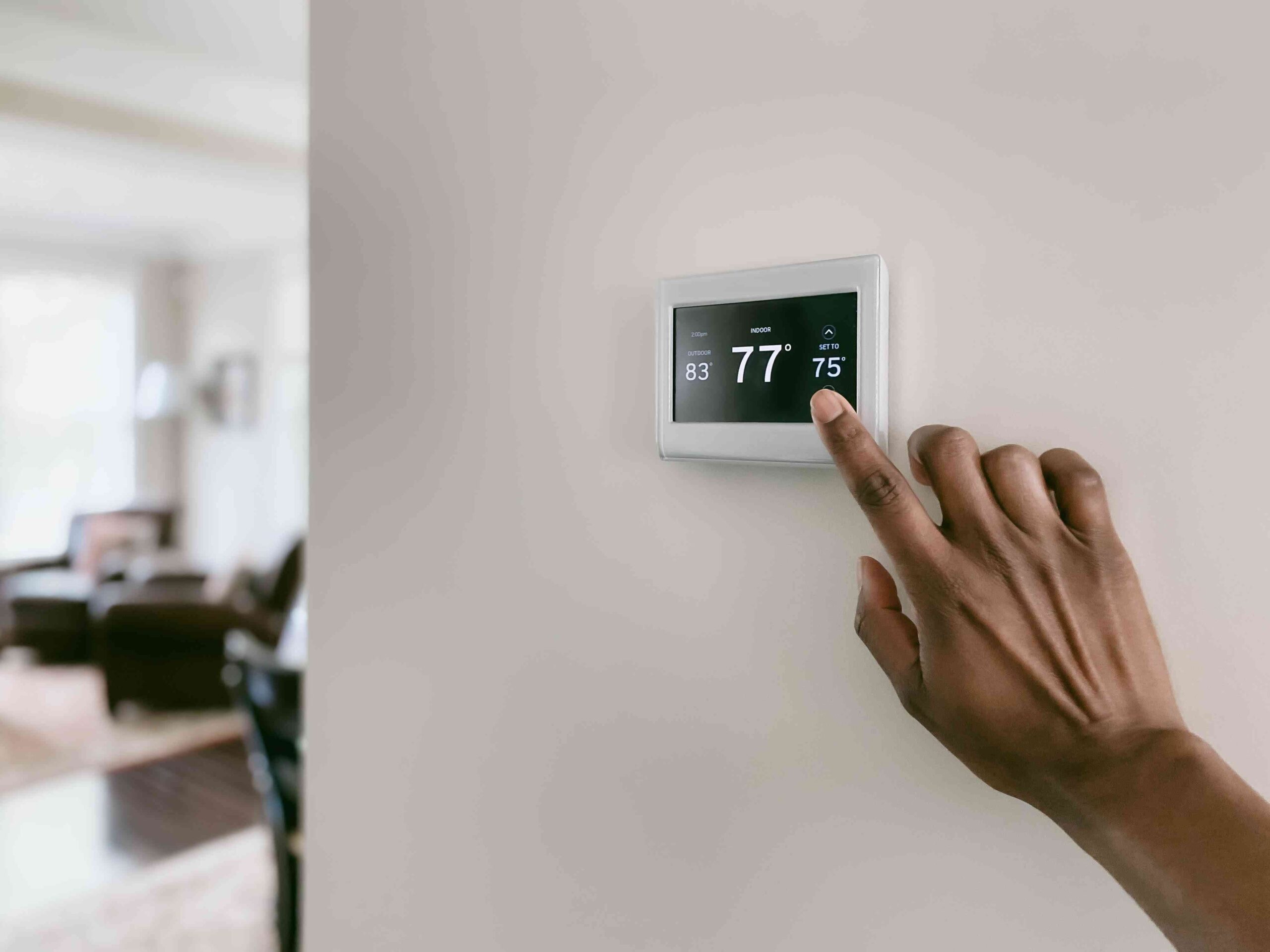
Using a non-programmable thermostat means your heating system operates inefficiently. Manually adjusting the thermostat constantly leads to wasted energy and unnecessary costs.
- Solution: Install a programmable or smart thermostat. These devices adapt to your schedule, automatically adjusting temperatures based on occupancy. Many utilities offer discounts on smart thermostats, making them an affordable upgrade.
5. Thermostat Placement: Accuracy Matters
Positioning your thermostat near windows or in direct sunlight can lead to inaccurate readings, forcing your heating system to overwork. Misplaced thermostats can waste energy and compromise comfort.
- Solution: Place the thermostat on an interior wall, away from external heat sources, to ensure accurate temperature readings.
6. Blocked Vents: A Recipe for Cold Spots
Blocking HVAC vents with furniture or decorations restricts airflow, creating cold spots and forcing your system to work harder. Even partially blocked vents can disrupt airflow and reduce efficiency.
- Solution: Ensure all vents are clear and unobstructed. Check floor vents especially, as they’re often covered accidentally.
7. Closing Off Unused Rooms: A Counterintuitive Mistake
Closing vents in unused rooms may seem logical, but it actually increases system pressure, leading to airflow imbalances and potential strain on the HVAC unit. Restricting airflow can even cause leaks or overheating.
- Solution: Keep vents open in all rooms to maintain balanced airflow and ensure efficient operation.
8. Unsealed Drafts: Heat Leaking Out
Air leaks around doors, windows, and poorly insulated areas cause significant heat loss. Even small cracks can allow a surprising amount of cold air to enter your home.
- Solution: Seal drafts with weather stripping and improve insulation to maintain a consistent indoor temperature.
9. Fireplace Misuse: A Concentrated Heat Source
While fireplaces can add ambiance, relying on them as a primary heat source alongside your HVAC system is often inefficient. Fireplace heat is localized, and can cause the thermostat to short-cycle the furnace.
- Solution: Use fireplaces sparingly and avoid relying on them as a substitute for central heating.
10. Exhaust Fan Overuse: Removing Heat, Not Just Moisture
Leaving exhaust fans running too long pulls heated air out of your home. While useful for ventilation, excessive fan use wastes energy during the heating season.
- Solution: Use exhaust fans only when needed and consider setting timers to limit their runtime.
11. Unlatched Windows: An Open Invitation to Cold Air
Forgetting to fully latch windows allows cold air to seep in, undermining your heating efforts. A seemingly minor oversight can negate the benefits of insulation and efficient heating.
- Solution: Regularly check all windows to ensure they’re securely latched.
12. Underheating: The Power of Radiant Heat
Keeping your thermostat too low can prevent surfaces (walls, furniture) from retaining heat. Warm surfaces radiate heat back into the room, contributing to overall comfort.
- Solution: Maintain a thermostat setting between 64-75°F to allow surfaces to absorb and radiate heat effectively.
Conclusion
Avoiding these common heating mistakes is essential for maximizing comfort and minimizing energy waste. By adopting proactive maintenance, optimizing thermostat settings, and sealing drafts, homeowners can ensure their heating systems operate efficiently throughout the winter. A little attention to detail can translate into significant savings and a warmer, more comfortable home.