Summer is loud. You didn’t ask for it, but it arrived anyway.
Windows open? That just invites the chaos inside. Yard time? Ruined by the neighbor’s leaf blower or the highway hum. Do you just suffer?
No. Not anymore. We spoke to designers and landscape experts about blocking the noise. Here’s what actually works.
Walls of Green
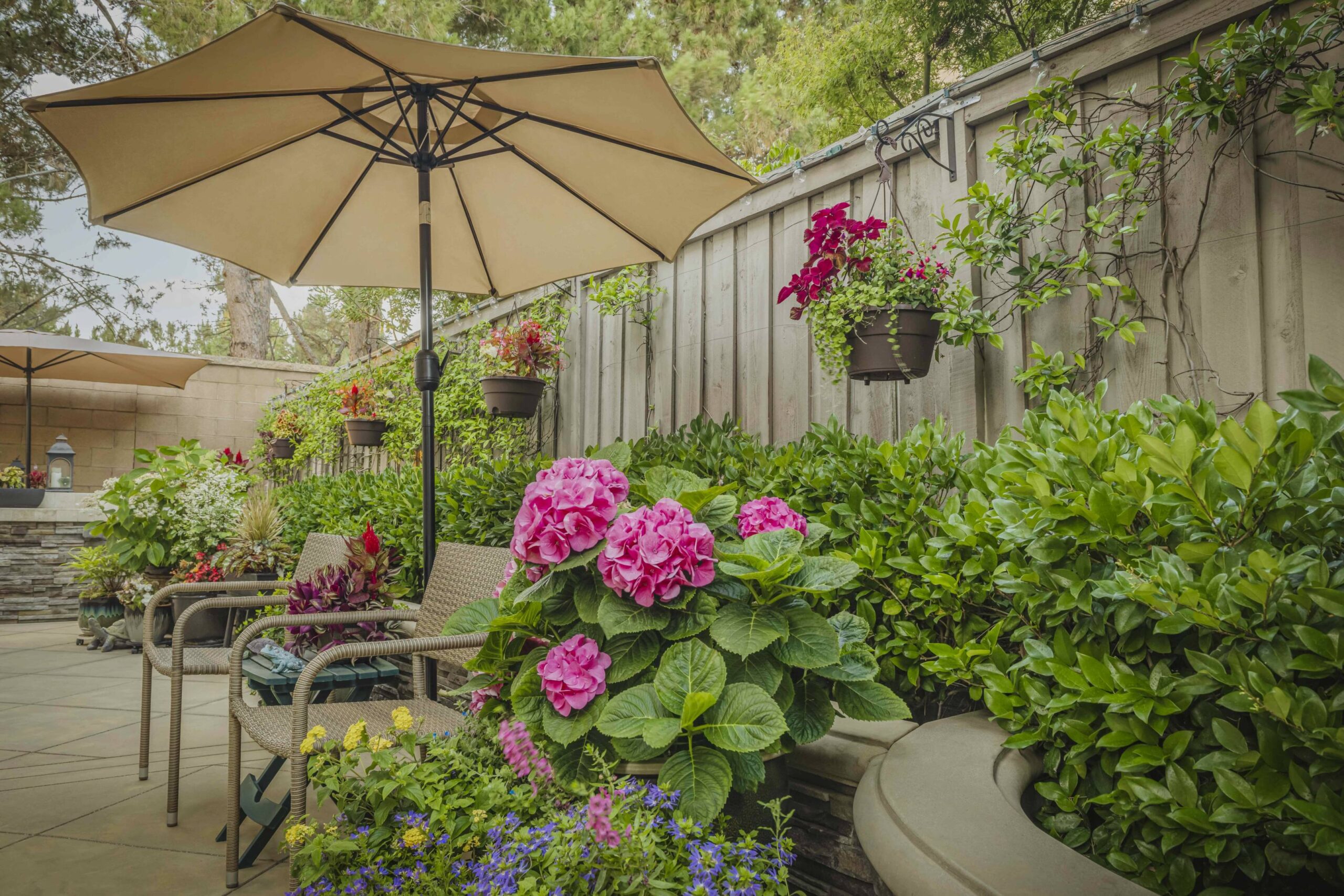
Designer Brianna Smith says to plant thick hedges. Not flimsy ones. Real barriers.
She likes clusia or podocarpus. They’re classics for a reason. They create a physical wall that stops sound waves dead in their tracks.
“They create a natural barrier… while also making the space feel more closed off and intentional,” Smith explains.
It’s privacy and peace. Both at once.
Kill the Echo
Is your backyard echoing? Landscape expert Gerardo Loayza thinks you’re right to be annoyed.
Hard surfaces bounce sound. Concrete patios? Bad. Metal pergolas? Worse. Wood fences act like acoustic mirrors. They throw noise right into your open window.
Think of your yard like a recording studio. Right now it’s all hard surfaces. It needs dampening.
Loayza suggests switching concrete for permeable pavers. Add groundcover plants. Use thicker outdoor rugs. Even training vines up bare fences helps.
It’s about softness. Where there was hard impact there’s now absorption.
Water Masks It All
Don’t fight the noise. Cover it up.
Smith recommends adding water. Moving water is nature’s white noise.
The sound shifts your focus. It’s decorative and functional. A small fountain or a trickling stream works wonders. It masks the background hum of traffic or shouting neighbors.
One splash. A whole new atmosphere.
Let Plants Rustle
No water feature? Plants work too.
Loayza suggests using foliage to mask noise. But placement matters.
You don’t put the plants between you and the noise. That’s wrong.
“The pleasant sound needs to be closest to you… not the source,” Loayza clarifies.
Use ornamental grasses or trees with loose leaves. Place them right next to your seating area.
When the wind blows they rustle. It’s a constant gentle sound that pushes the harsh noise to the background.
Soften the Inside
You can’t always change what’s outside. You can change what’s inside.
Smith says to layer softness. Plush rugs. Good pads underneath. Upholstered furniture. Heavy curtains.
Hard floors reflect sound. Soft textiles absorb it.
The room feels cozier. But it also gets quieter. The outdoor noise hits the curtains and stays there.
Move Some Dirt
Finally consider an earth berm.
If the traffic noise is unbearable Loayza suggests building a low wall of compacted earth. Two to three feet high. Plant it.
Earth is dense.
“It acts like a ramp that reflects… the rumble… up and over,” he says.
Low frequencies bend around objects but ride up over obstacles. You just give the noise a ramp. It goes over you and drops into someone else’s backyard.
It’s heavy. It works.
And if that doesn’t do it? You still have the hum of the fridge to contend with. But that’s a problem for another day. 🌿