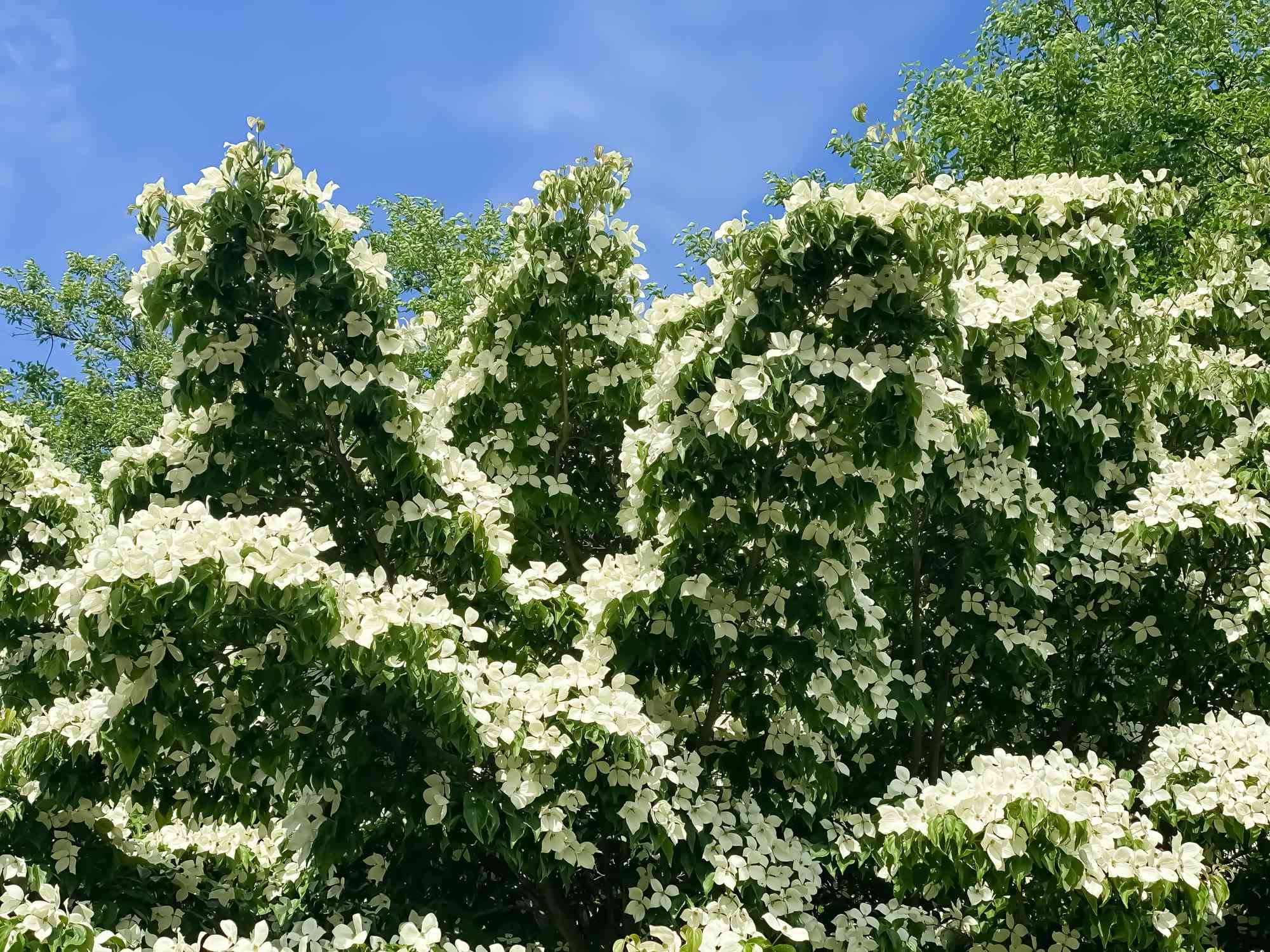
Dogwoods are prized for their elegant structure and vibrant blooms, making them a staple in many home landscapes. While they are generally low-maintenance, proper pruning is essential to maintain their health and aesthetic appeal. However, timing is critical. Many gardeners make the common mistake of pruning during spring, a practice that experts warn can do more harm than good.
The Spring Pruning Trap
According to Allen Tate, an ISA-certified arborist, spring is the worst time to prune dogwood trees. The primary reason is biological: this is when the trees are waking from dormancy and actively producing flowers. Pruning during this period disrupts a critical natural process, potentially removing the very blooms you planted the tree to enjoy.
“It’s best to let that process play out with little disturbance,” Tate explains.
Pruning in spring not only ruins the current season’s display but can also stress the tree when it is most vulnerable.
Choosing the Right Season
While dogwoods can technically be pruned year-round, the optimal time depends on your specific goals and the tree’s health.
1. Winter (The Safest Option)
Horticultural outreach educator Heather Zidack recommends winter pruning for overall tree health. During dormancy, the risk of disease transmission is lowest because pathogens are less active. Furthermore, the tree is not expending energy on leaf production or photosynthesis, allowing it to heal pruning wounds with minimal stress.
* The Trade-off: Winter pruning may reduce flowering the following year if you cut off buds that formed on the previous season’s growth.
2. Early Summer (Post-Bloom)
If your goal is size control or removing large portions of the tree, early summer—immediately after flowering—is ideal. The tree has already set its flowers for the year, so you won’t sacrifice the bloom.
* Caution: This method requires the tree to be in excellent health and well-watered. Pruning a stressed or unhealthy tree during the active growing season can lead to disease susceptibility and decline.
3. Fall and Routine Maintenance
For minor aesthetic adjustments, such as thinning or removing deadwood, fall is an acceptable time, provided it is not too late in the season to trigger new growth before winter.
Essential Pruning Techniques
Regardless of when you prune, the method matters just as much as the timing. Follow these expert-approved techniques to keep your dogwood healthy:
- Remove the “3 Ds”: Always start by cutting away D ead, D ying, and D iseased branches. This prevents the spread of decay and improves air circulation.
- Eliminate Crossing Branches: Branches that rub against each other create open wounds, which serve as entry points for disease. Zidack notes, “Eventually these will rub each other… creating the potential for disease and decline.”
- Thin Dense Growth: To improve light penetration and air flow, thin out small branchlets. Work from the bottom up and inside out, avoiding aggressive cuts that can shock the tree.
- Control Size Carefully: If the tree is becoming too large, consider removing the oldest and tallest branches at the soil line.
- Rejuvenation Pruning: For severely overgrown or unhealthy trees, you can prune the entire tree down to the ground. This stimulates new buds from the root system, resulting in a smaller, healthier tree—though this is a drastic measure requiring patience for regrowth.
Conclusion
Pruning a dogwood is less about frequency and more about precision and timing. By avoiding spring pruning and opting for winter or post-bloom cuts, you protect the tree’s health and ensure it continues to provide beautiful blooms for years to come. Always prioritize the removal of damaged wood and maintain a balanced structure to support long-term vitality.