Planting a new lawn is an investment of time and money, making the prospect of a storm shortly after seeding anxiety-inducing for many homeowners. The fear is understandable: will the rain wash away the expensive seed, or will it help it grow?
The answer depends entirely on the intensity and duration of the rainfall. While a gentle shower can be a boon, a heavy downpour can be catastrophic for unrooted seeds. Here is what lawn care professionals say about managing the weather risks when establishing new grass.
The Danger of Heavy Downpours
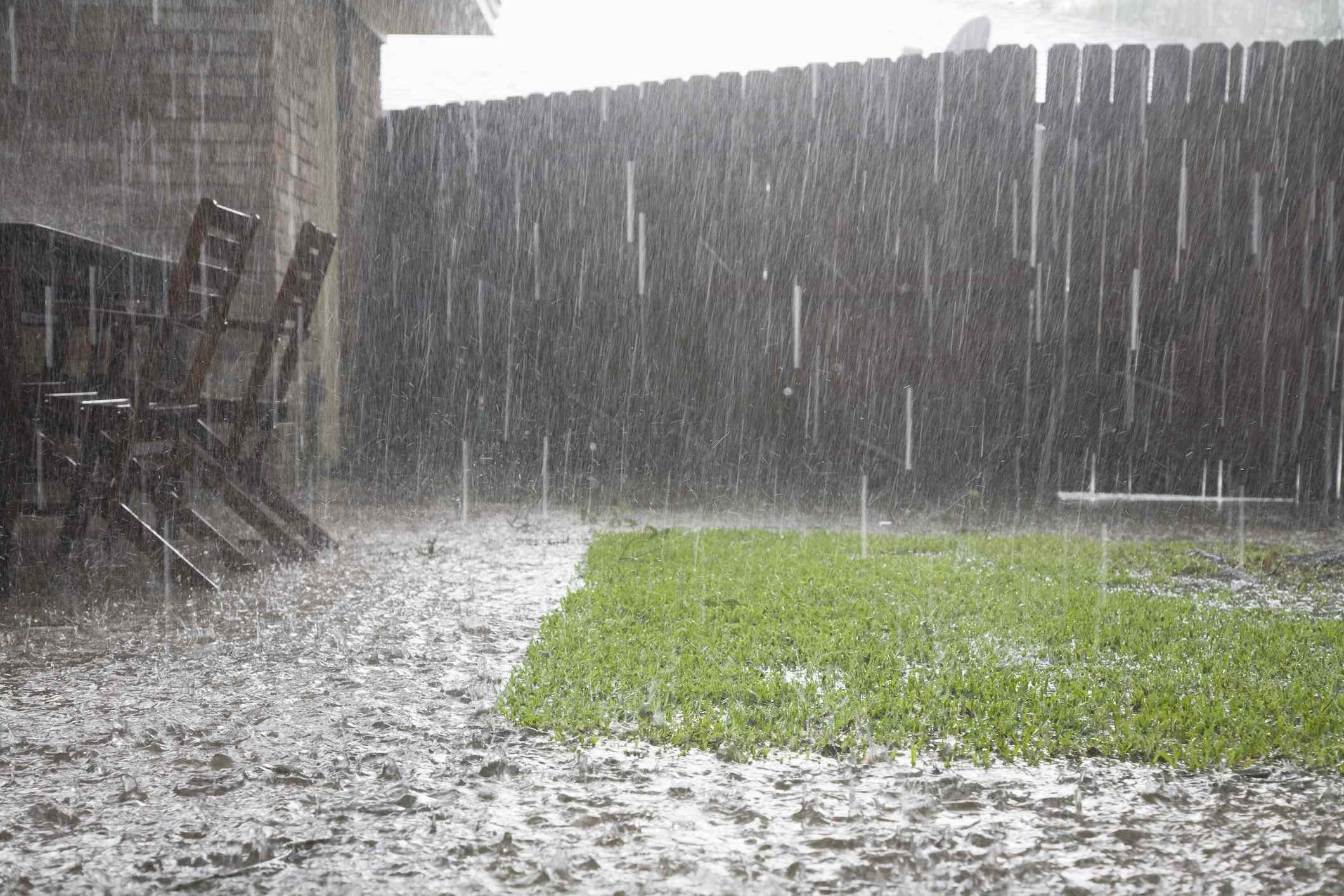
For grass seed to establish itself, it must remain in contact with the soil for approximately 14 days until germination occurs. During this critical window, the seeds have no root system to anchor them. They are essentially sitting on the surface, vulnerable to displacement.
Nathan Stockman, president of Stockman Lawnscape, warns that planting before a heavy storm works against you. “Since they haven’t rooted to anything yet, the seeds are vulnerable to the elements,” he explains. A single intense storm can wash away the majority of the seed, leading to significant waste.
Beyond simple loss of seed, heavy rain creates two specific structural problems for your lawn:
- Uneven Distribution: Water moves soil and organic matter. Juan Zenon, owner of Zenon’s Landscape & Outdoor Services, notes that rain can carry seeds into unintended areas. “You might end up with one lush green area but a bare area where you originally planted,” he says.
- Soil Crusting: When heavy rain hits bare soil, it can compact the surface layer. As this layer dries, it hardens into a crust. This physical barrier prevents delicate grass shoots from pushing through to the surface, rendering the seeding effort futile.
Slopes and Drainage Issues
Topography plays a major role in how rain affects seed. If your yard has any slope, gravity will pull unanchored seeds downhill during a heavy rain.
“The result is bare dirt at the top and a thick concentration of seed at the bottom wherever the water collects,” Stockman says. Even on relatively flat ground, hard rain moves small, buoyant seeds more than homeowners expect. Water follows the path of least resistance, carrying seeds into low spots, along edges, and into drainage areas. For properties already prone to pooling water, adding unprotected seed exacerbates drainage issues and creates messy, uneven growth patterns.
The Benefit of Light Rain
Not all rain is bad news. In fact, light rainfall is ideal for new seed.
Establishing a lawn requires consistent moisture to trigger germination. If a light rain is in the forecast, it serves as a natural watering system, taking care of the initial hydration needs without the risk of displacement. “You’ll need to water the seeds anyway, so the light rain takes care of that,” Zenon explains. This type of precipitation keeps the soil moist enough for the seed to absorb water and begin the growth process without washing it away.
What to Do If You’ve Been Caught in a Storm
If you seeded before an unexpected heavy rain, do not panic immediately. Wait to assess the damage. Grass seed takes about two weeks to germinate, so you will likely not know the full extent of the loss until then.
However, if you notice bare patches or significant washout, reseed is necessary. But timing is critical:
- Wait for Dry Soil: Do not reseed while the ground is still saturated. Seeding into heavy moisture can cause seeds to rot due to a lack of oxygen. Furthermore, wet soil promotes fungal diseases that can kill young grass.
- Use Fast-Growing Varieties: For patching washed-out areas, Perennial Ryegrass is often the best choice. It has quick germination rates, allowing for fast coverage of thin or damaged spots.
- Protect the Seed: Once the soil has dried out, rake the new seed in properly. Then, add a protective cover such as straw, compost, or mulch. This layer helps anchor the seed, retain moisture, and prevent it from being washed away by subsequent rains.
“Rake the seed in properly and add a protective cover, such as straw or compost, or whatever you can get your hands on,” Stockman advises.
Conclusion
While heavy rain poses a significant threat to new grass seed by causing washout, uneven distribution, and soil crusting, light rain is beneficial and essential for germination. If a storm damages your new lawn, wait for the soil to dry before reseeding with fast-growing varieties like Perennial Ryegrass, and always use a protective cover to anchor the seeds against future weather events.