For many homeowners, the entryway is more than just a passage; it is a high-traffic “transition zone” where daily life—walking the dog, managing deliveries, and shedding coats—can quickly turn into a cramped, chaotic bottleneck. When a hallway feels too narrow to navigate comfortably, the instinct is often to add more square footage. However, before committing to a costly extension, there are several strategic ways to reclaim space and improve flow.
1. The Zero-Cost Fix: Decluttering and Organization
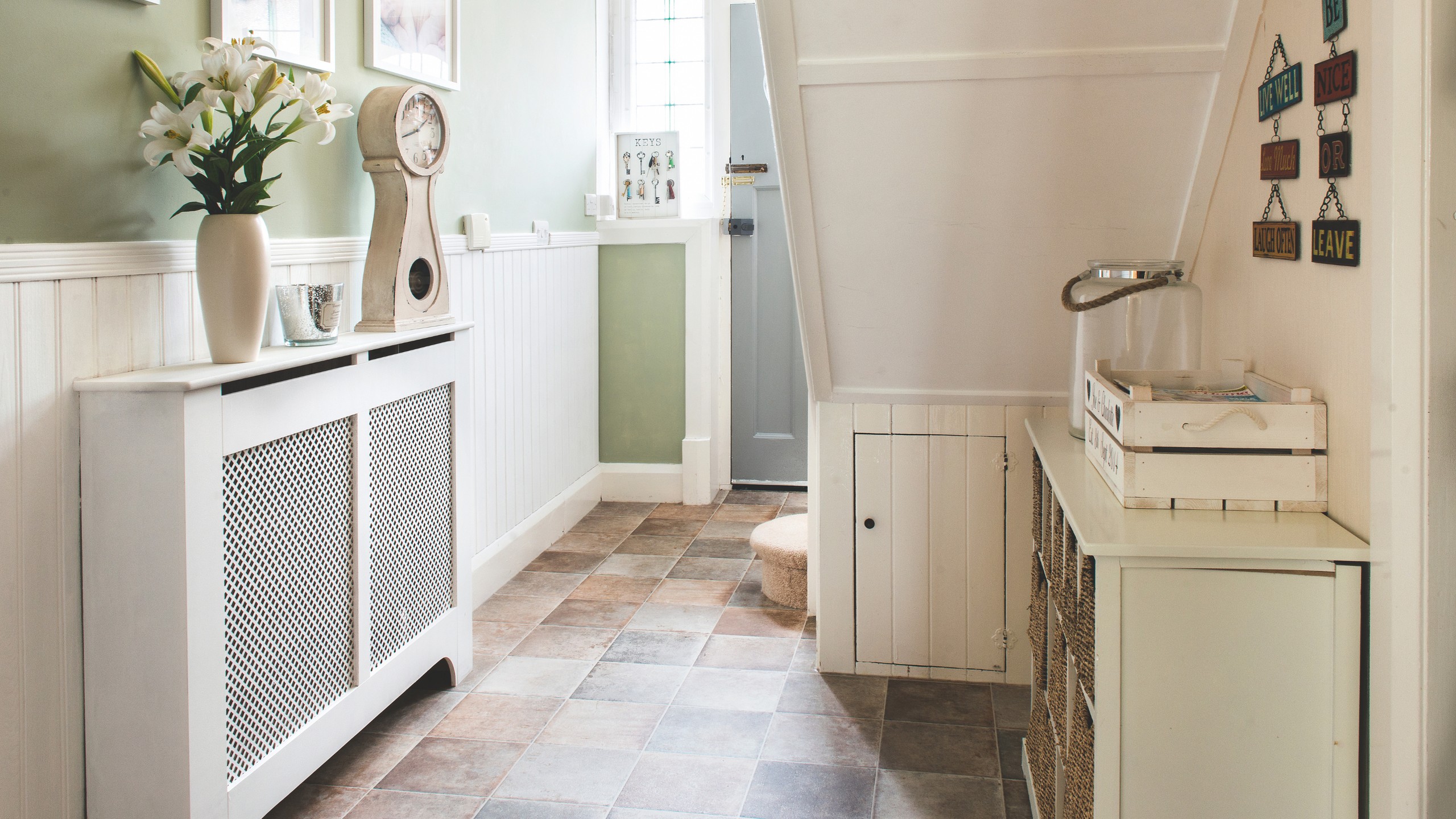
The most immediate way to make a small space feel larger is to remove the visual and physical obstacles within it. Hallways often become “catch-all” zones for shoes, bags, and seasonal gear, which can make even a medium-sized hall feel claustrophobic.
- Seasonal Rotation: Move items that aren’t currently in use (such as heavy winter coats in summer) to different storage areas like under-stair cupboards or bedroom closets.
- Purge Unused Items: Donate or sell items that no longer serve a purpose to prevent “clutter creep.”
- Strategic Storage: Aim to reduce the “mountain of shoes” and piles of parcels that create tripping hazards and visual noise.
“All of that clutter will make a hallway seem even smaller,” notes decluttering expert Lauren Bradbury.
2. Internal Remodeling: Redefining the Layout
If decluttering isn’t enough, structural changes can transform how the space is perceived. In many older UK properties, such as Victorian or Edwardian homes, hallways are often narrow, dark, and isolated from the rest of the house.
Improving Light and Flow
- Open-Plan Integration: By knocking down or altering walls between the hallway and the living area, you can merge a cramped transition zone into a more expansive, cohesive layout.
- Internal Glazing: If you want to maintain the separation between rooms but hate the feeling of being enclosed, installing glass partitions allows natural light to travel through the home, creating an illusion of depth.
- Visual Continuity: Using continuous flooring or directional patterns can guide the eye through the space, making the hallway appear longer and more seamless.
3. The Structural Solution: Adding a Porch
When the internal footprint simply cannot accommodate the needs of the household, an external extension—specifically a porch—becomes a viable option. A porch acts as a functional “buffer zone” between the outside world and your living space.
Benefits of a Porch Extension:
- Dedicated Storage: It provides a specific home for “outdoor essentials” (muddy boots, dog leashes, umbrellas) that would otherwise clutter the main entryway.
- Energy Efficiency: A porch can act as a thermal buffer, helping to regulate the temperature of the main house.
- Modernized Aesthetics: While porches are traditional features, they can be designed with modern finishes to enhance the home’s curb appeal.
Note: Any structural extension requires careful consideration of fire safety, acoustics, and the existing building’s integrity.
Summary
Whether you choose to organize your current items, remodel your walls to let in more light, or extend your home with a porch, the goal is to transform the hallway from a cluttered obstacle into a functional part of the home. The right approach depends on balancing your desire for more space with your budget and the architectural constraints of your property.