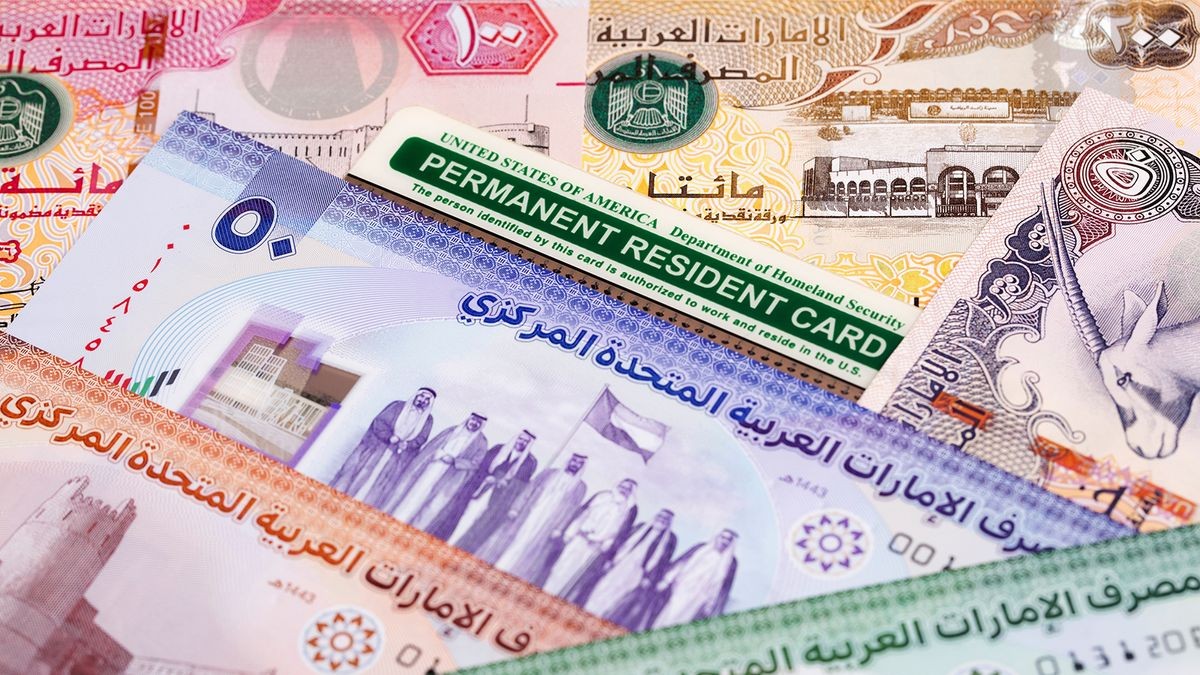
The reputation of Dubai as a “tax haven” is widely held, largely due to its most famous feature: the absence of personal income tax. However, describing the emirate as entirely tax-free is a misconception. While the UAE does not take a cut from your monthly salary, a sophisticated system of corporate, indirect, and service-based taxes exists to fund the nation’s infrastructure and public services.
Understanding these distinctions is vital for expats and investors to avoid unexpected costs and ensure legal compliance.
The Absence of Personal Income Tax
The primary draw for high-net-worth individuals and global professionals is that the UAE does not impose taxes on salaries, inheritance, gifts, or capital gains for individuals. This policy serves as a massive magnet for global talent, allowing residents to retain a higher percentage of their earnings compared to most Western economies.
Note for U.S. Citizens: Living in Dubai does not exempt you from your home country’s tax laws. The United States taxes its citizens on worldwide income. While certain exclusions and credits may reduce your liability, you are still required to report your global earnings to the IRS.
Corporate Taxation: A New Era
For years, businesses enjoyed nearly total tax immunity in Dubai. This changed on June 1, 2023, when the UAE introduced a federal corporate tax regime to align with international transparency standards.
- The Rate: A 9% tax applies to taxable income exceeding AED 375,000.
- Small Businesses: Entities earning below this threshold generally remain exempt from corporate tax.
- Free Zones: Certain “qualifying” Free Zone companies may still benefit from a 0% corporate tax rate on specific types of income, provided they meet strict regulatory requirements.
- Compliance: All taxable entities must register with the Federal Tax Authority (FTA) and file regular returns.
Indirect Taxes: VAT and Excise
While you may not pay tax on what you earn, you do pay tax on what you spend. The UAE utilizes indirect taxes to generate steady revenue:
Value Added Tax (VAT)
Introduced in 2018, a 5% VAT is applied to most goods and services.
– For Residents: This is baked into the price of daily purchases.
– For Tourists: Travelers can often claim VAT refunds on qualifying purchases (minimum AED 250) when exporting goods from the country within 90 days.
Excise Tax
To discourage the consumption of harmful products, the UAE imposes an excise tax on specific categories, including:
– Tobacco products
– Energy drinks
– Carbonated beverages
Real Estate and Municipal Fees
Dubai does not utilize a traditional annual property tax model like many European or North American cities. Instead, it relies on transactional and service fees that function similarly to taxes:
- Property Sales: Buyers typically pay a 4% registration fee to the Dubai Land Department.
- Rental Costs: Tenants often face a municipal tax (often referred to as a municipality fee) amounting to approximately 5% of their annual rent, which is usually collected through utility bills.
Summary
While Dubai remains a premier destination for tax-efficient living due to its lack of personal income tax, it is not a tax-free vacuum. Residents must navigate a landscape of corporate taxes, VAT, excise duties, and various government fees that collectively support the emirate’s rapid development.