


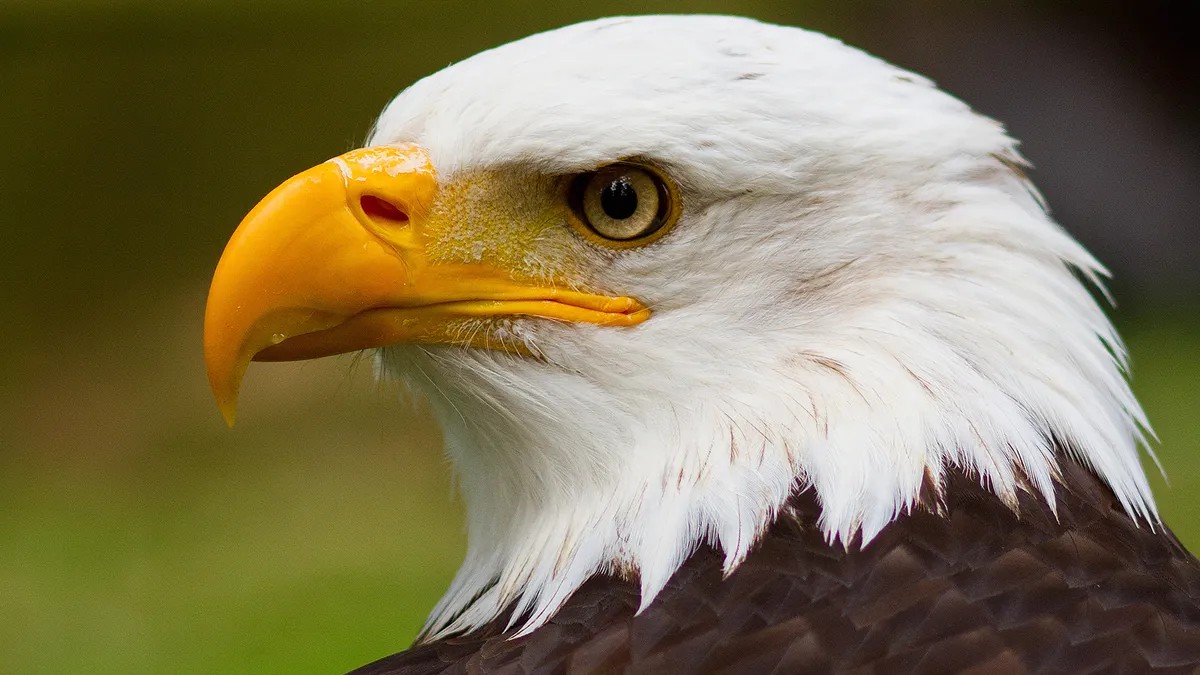
For centuries, the bald eagle has been the unofficial face of American identity, appearing on everything from currency to the Great Seal. However, it was not until December 23, 2024, that the bird officially secured its status through federal law. Following bipartisan support in Congress and the signing of a new bill by President Joe Biden, the bald eagle (Haliaeetus leucocephalus ) is now formally recognized as the national bird of the United States.
A Long-Standing Symbolism
While the legal designation is new, the eagle’s presence in American life is ancient. Since the adoption of the Great Seal of the United States in 1782, the bird has served as a visual shorthand for the nation’s values. In its heraldic form, the eagle holds an olive branch and arrows—symbolizing a dual capacity for peace and war.
This deep-rooted symbolism is not merely a product of modern government branding. For many Indigenous nations, the eagle has held profound spiritual significance for millennia. Viewed as a sacred messenger between the human and spiritual realms, the eagle is central to various cultural practices, such as the Sun Dance ceremonies of the Plains tribes.
Due to this sacred connection, federal law maintains specific protections regarding eagle feathers, allowing members of federally recognized tribes to possess them for religious purposes.
Biology and Habitat
The bald eagle is a formidable predator native to North America, easily identified by its striking white head and tail, dark brown body, and bright yellow beak.
- Habitat: They are primarily found near large bodies of water, such as lakes, rivers, and coastal bays, where they can hunt for fish.
- Nesting: They are master builders, constructing the largest nests of any North American bird species, which can reach heights of 13 feet and widths of 8 feet.
- Life Cycle: Immature eagles do not possess the iconic white plumage; instead, they sport mottled brown feathers, typically reaching full maturity around age four or five.
A Remarkable Conservation Success Story
The formalization of the eagle as the national bird comes as a celebration of one of the most successful wildlife recovery efforts in history. In the mid-20th century, the species was on the brink of extinction. By 1963, only 417 nesting pairs remained in the contiguous United States.
The decline was driven by a combination of habitat loss, illegal hunting, and the widespread use of the pesticide DDT, which caused reproductive failure in birds. However, through aggressive conservation measures and the banning of DDT, the population underwent a dramatic resurgence.
The Numbers at a Glance
- 1963: ~417 nesting pairs (Contiguous US).
- 2007: Removed from the Endangered Species List.
- 2020: Estimated 71,400 nesting pairs in the lower 48 states.
While the species is currently classified as “Least Concern” globally, conservationists remain vigilant. Modern threats such as lead poisoning, vehicle collisions, and illegal shooting continue to pose risks to these raptors.
Conclusion
The official designation of the bald eagle marks the formalization of a long-held cultural truth. It honors both the bird’s deep spiritual roots in Indigenous traditions and its triumphant return from the edge of extinction to a symbol of American resilience.


