A homeowner is meticulously planning the renovation of a bathroom in an 1850s house, treating the project as a personal design experiment rather than a practical necessity. The renovation prioritizes aesthetics over speed, with detailed consideration given to unique tile choices that complement custom stained-glass doors and a Victorian-inspired layout.
The Design Concept: Water Closets and Custom Finishes
The bathroom will feature separate “water closets” reminiscent of painted outhouses, each with vintage stained-glass doors. One closet will include a urinal, while the other will house a standard toilet—a detail intended to appeal to the homeowner’s male acquaintances. The main shower area will be enclosed (42×48 inches) due to a sloping ceiling, and will include a custom tub. The focus is on the tile within the shower space, with three distinct options being considered.
Option 1: Reproducing Antique Relief Tiles
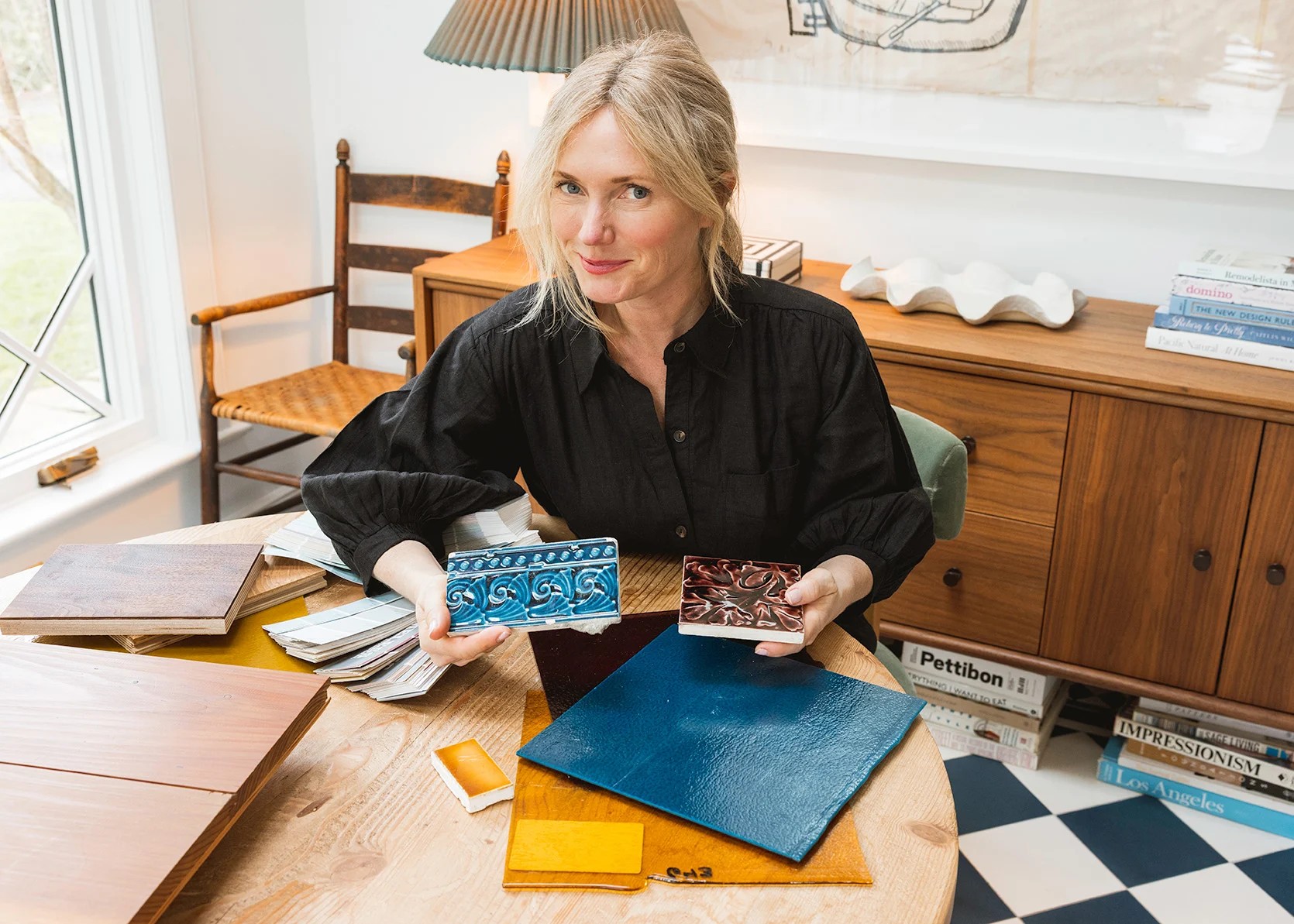
The homeowner is captivated by antique Kensington tiles purchased from Aurora Mills. To replicate these tiles, the plan involves collaborating with Pratt + Larson in Portland to create molds and glazes for reproduction. The tiles could be used as an accent line or to cover the entire shower. The design would draw inspiration from Victorian relief patterns, subtly matching the color scheme while retaining the uneven glazing effect found in the original inspiration. This approach aligns with existing architectural details in the house, such as a vintage fireplace featuring similar relief motifs.
Option 2: A Painted Tile Mural
Inspired by Jessica Helgerson’s mural kitchen backsplash, the homeowner contemplates a hand-painted tile mural. This would require a complex process involving bisque tile, multiple firings, and meticulous painting. Potential motifs include Scandinavian folk art, Victorian Deco designs, or organic handmade patterns. The challenge lies in executing the mural with the same level of detail and precision as Helgerson’s work, while ensuring it complements the overall aesthetic.
Option 3: A Unique Pattern With Colorful Readymade Tiles
The third option involves curating a unique pattern using readymade tiles from companies like Fireclay, Pratt + Larson, or Tempest Tile. This approach would prioritize a randomized, asymmetrical arrangement to avoid competing with the stained-glass doors. However, the success of this option hinges on ensuring consistent tile thicknesses and edges, which may require sourcing from a single manufacturer to maintain uniformity.
The homeowner currently favors one option but seeks input from others to finalize the design. The project leverages AI-powered moodboarding tools like Spoak for elevations and floor plans, enhancing the creative process.