Starting seeds indoors in March is the key to maximizing your garden’s potential, especially in cooler climates where the last frost isn’t until May. This head start allows slow-growing vegetables, herbs, and flowers to develop strong roots before transplanting, ensuring a more productive harvest.
Why Start Seeds Indoors?
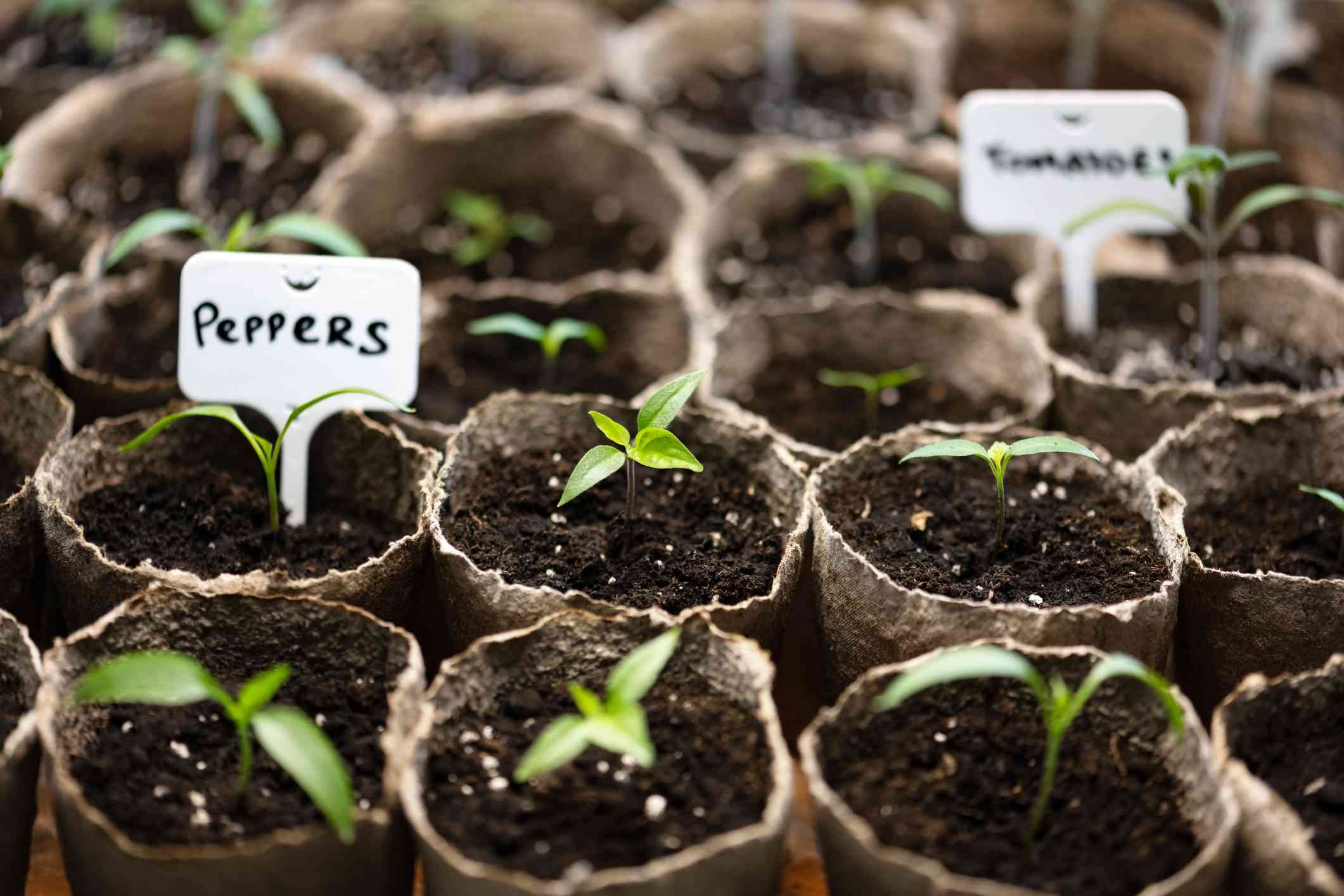
The primary benefit is time. Many popular garden staples, like tomatoes and peppers, need months to mature. Starting them indoors in March gives them the necessary growth period before the May frost deadline. Additionally, indoor sowing provides better control over germination, particularly for tiny or finicky seeds.
Vegetables for an Early Harvest
Several vegetables benefit from an early indoor start. According to gardening expert Katie Landis, tomatoes, peppers, and eggplants should be sown in March to ensure fruit production by summer. Lettuce is another excellent candidate, as it thrives in cooler spring temperatures and can be transplanted in May for an early harvest.
Herbs: A Controlled Start
Herbs are often slow-growing and their tiny seeds can be challenging to manage directly in the garden. Starting thyme, oregano, and sage indoors in March gives you better control over germination and early development. Parsley seeds are also notoriously finicky, and basil requires 4–6 weeks to reach transplant size.
Flowers: Perennials Need a Head Start
While fast-growing annual flowers can wait, slower-growing perennials like Echinacea (coneflower), dusty miller, and black-eyed Susan should be started indoors in March for May planting. This ensures they’re established enough to handle outdoor conditions. Warmer climates can begin annual flower seeds (pentas, sunflowers, zinnias) earlier without issue.
Avoiding Transplant Shock
The biggest mistake gardeners make is letting seedlings get too large before transplanting. Overgrown plants struggle to adjust to outdoor conditions. Keep seedlings compact and strong by providing adequate light and proper spacing.
Starting seeds early is not just about timing; it’s about giving your plants the best possible foundation for a thriving garden. A little effort in March pays off in a more productive and satisfying harvest come summer.