Many kitchens suffer from unnecessary clutter, despite good intentions. Holding onto “just in case” items or feeling wasteful can quickly overwhelm space and efficiency. Professional organizers agree: sometimes, letting go is the best solution. Here’s what to discard, according to experts, to create a more functional and hygienic kitchen.
Takeout Waste: Cutlery, Condiments, and Containers
The endless accumulation of plastic takeout cutlery, soy sauce packets, and flimsy containers is a common source of kitchen clutter. These items pile up quickly and rarely get reused effectively. Ashley La Fond, a professional organizer, suggests either using them for packed lunches or discarding them. Most importantly, she advises opting out of receiving them with future delivery orders to prevent the problem from recurring.
Redundant Small Appliances
Many kitchens house appliances that overlap in function. Laura Price recommends evaluating whether multiple devices serve the same purpose. If a food processor can also juice, or a blender can grind spices, choose the most versatile option and eliminate the rest. This also applies to unused attachments; discard anything you know you won’t use. Overcrowding small appliances reduces usable space without adding value.
Mismatched Food Storage Chaos
The dreaded food storage container cabinet: a chaotic mess of lids and bottoms that never seem to fit. Keeping unpaired containers is a waste of space and adds unnecessary stress. La Fond advises sorting, matching, and immediately discarding any lids or bottoms without a partner. A streamlined system saves time and frustration.
The Illusion of Bulk Savings
Bulk buying isn’t always economical, especially in small kitchens. While intended to save money, overstocking can create unmanageable clutter. Price notes that if you lack dedicated storage for surplus items, the kitchen will quickly become overwhelmed. If you can’t store it efficiently, donate in-date surplus food to a local food bank instead.
The Useless Pile of Reusable Bags
Reusable shopping bags are eco-friendly, but only when used. An excessive collection of paper and plastic totes serves no purpose if they sit unused. La Fond suggests keeping only a few essential bags and recycling or donating the rest. The key is to store them where you’ll actually remember them—like in the car. An unused bag is just another form of clutter.
Dangerous, Chipped Dinnerware
Chipped plates, bowls, mugs, and bakeware pose both a safety hazard and a hygiene risk. Even seemingly minor cracks can harbor bacteria and create sharp edges. Michelle Urban, a professional organizer, insists that chipped dinnerware should be discarded immediately. The risk of injury or contamination outweighs any sentimental value.
Expired Spices: Flavorless and Useless
Spices lose potency over time, rendering them ineffective. Hanging onto expired spices is pointless; their flavor fades, and they occupy valuable space. Urban suggests purging old spices and creating a list to replenish them during your next grocery trip. A fresh spice rack enhances cooking, while stale spices do nothing but take up room.
Obsolete Owner’s Manuals
The days of relying on paper owner’s manuals are over. Most appliance and tech information is readily available online. Urban recommends discarding manuals for small, user-friendly devices or anything easily researched digitally. Don’t let outdated paper waste prime cabinet space.
The Breeding Ground of Kitchen Sponges
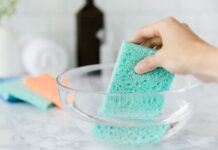
Kitchen sponges are notorious for harboring bacteria. Their lifespan is surprisingly short, and prolonged use poses hygiene risks. Replace sponges monthly to maintain maximum cleanliness. Ignoring this simple step can contribute to unsanitary conditions.
In conclusion, decluttering your kitchen requires ruthless efficiency. By eliminating unnecessary items, prioritizing functionality, and maintaining hygiene standards, you can create a more organized, efficient, and enjoyable cooking space. The experts agree: less clutter equals less stress.