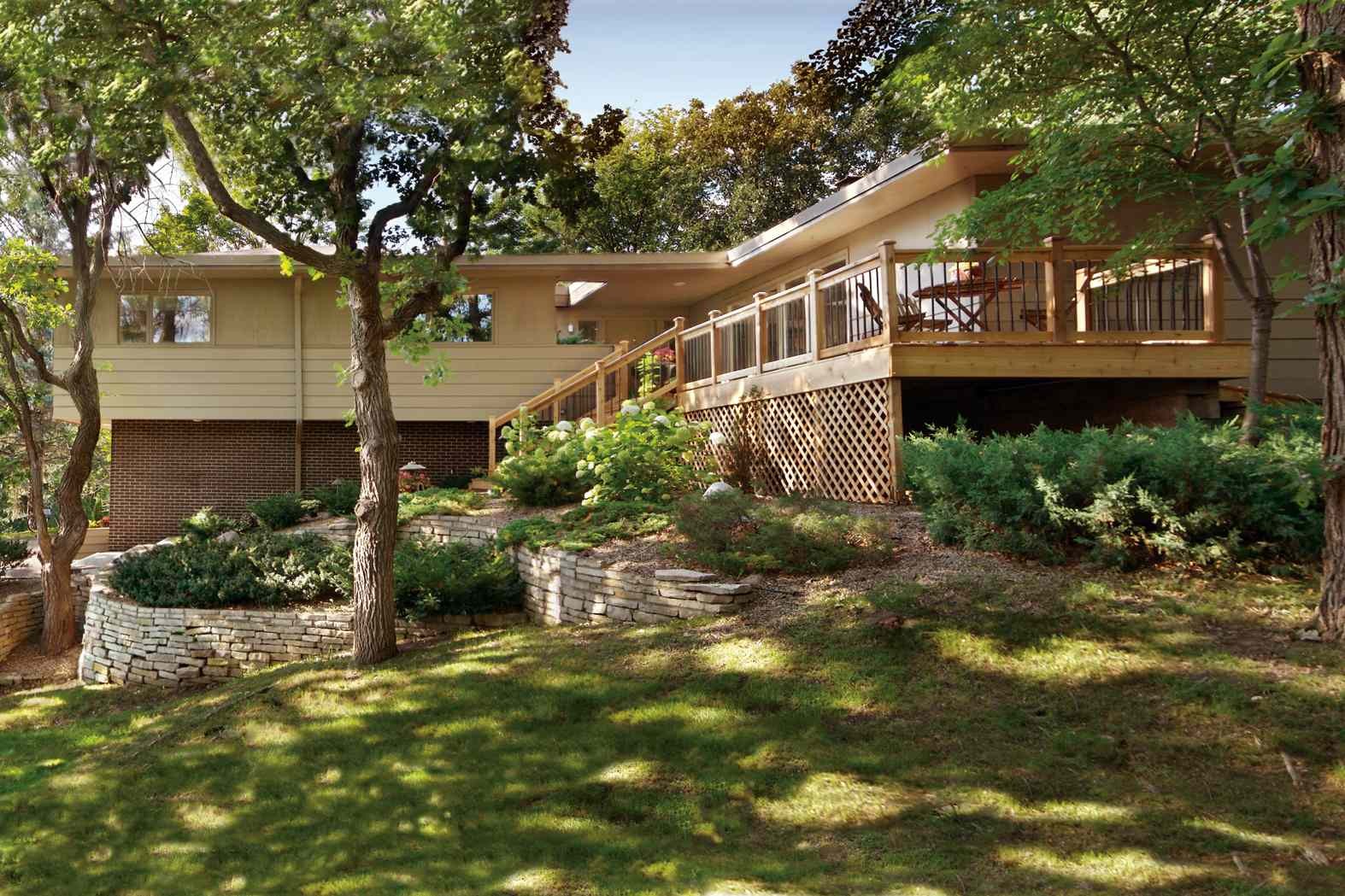
Small front yards don’t have to mean high-maintenance work. A thoughtful approach can create a beautiful, sustainable landscape without demanding constant upkeep. This guide outlines practical landscaping ideas for smaller spaces, focusing on drought-tolerant plants, edible options, and low-effort designs.
Embracing Drought-Tolerant Native Plants
One of the most effective strategies for a low-maintenance garden is choosing plants adapted to your local climate. Native plants require less water, fertilizer, and pest control than non-native species, making them both eco-friendly and easier to manage.
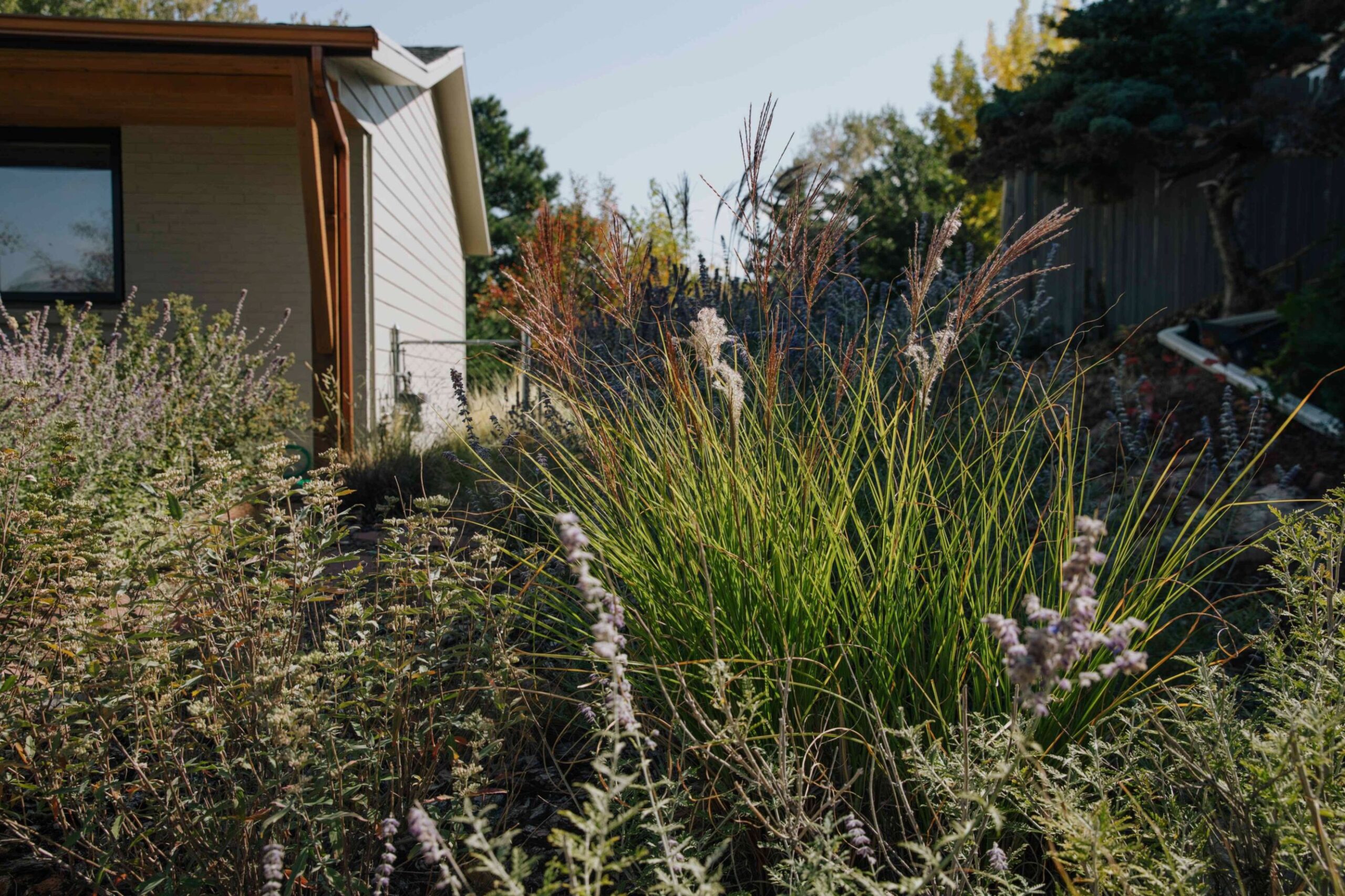
Gardening expert Stacy Passmore recommends replacing traditional lawns with native, drought-tolerant options that support local pollinators and wildlife. Bunch grasses, for instance, thrive once established and offer visual impact in limited spaces. Researching plants native to your region ensures success while positively contributing to the local ecosystem.
Incorporating Dwarf Fruit Trees
Small yards don’t preclude growing edible plants. Dwarf fruit trees add vertical interest and beauty while providing fresh produce. Diane Lipovsky, a gardening expert, suggests selecting native or waterwise varieties adapted to your USDA Hardiness Zone.
Popular choices include dwarf citrus (lemons, oranges), plums, cherries, and figs—all available in smaller cultivars suitable for compact spaces. This approach maximizes utility without sacrificing aesthetics.
Leveraging Ornamental Grasses
When planning a small front yard, consider sun exposure, deer presence, and your budget. Ornamental grasses often provide an excellent solution regardless of these factors.
Joshua Faas, a landscaping designer, highlights the versatility of grasses: “There is a grass for every height needed, and most are deer-resistant.” Calamagrostis Karl Foerster, known for its upright habit and winter color retention, is a prime example. Complementing grasses with low-growing perennials like nepeta ‘Junior Walker’ or geranium ‘Biokovo’ can further suppress weeds and enhance visual appeal.
Designing Wildflower Meadows
Wildflower meadows offer a vibrant, low-maintenance alternative to manicured lawns. Landscape designer Ward Dilmore notes that these gardens require less upkeep while benefiting local wildlife. Prioritize native species to encourage pollinator activity and minimize invasive spread. A wildflower meadow delivers color and texture without excessive effort.
Implementing Xeriscaping Techniques
For warmer climates, xeriscaping—landscaping with drought-tolerant plants—provides an efficient and sustainable solution. Dilmore explains that this approach minimizes water usage, weeding, and fertilizing. Rock gardens with succulents are a classic example, but any native plant acclimated to the local climate will thrive with minimal intervention. Choosing plants suited to your region ensures resilience and reduces maintenance.
By focusing on native, drought-tolerant species and low-effort designs, small front yards can be transformed into beautiful, sustainable landscapes that require minimal upkeep. The key is working with your local ecosystem rather than against it.