For years, minimalism and stark simplicity dominated bedroom design. Now, a shift is underway: traditional aesthetics are returning, not as dusty relics, but as thoughtfully curated statements. Designers are revisiting classic bedroom styles—canopy beds, wallpapered walls, wooden furniture, and tailored details—updating them for a fresh, luxurious feel. This isn’t just about nostalgia; it’s a reaction to years of austerity, with homeowners craving intimacy, depth, and character in their private spaces.
The Rise of Layered Luxury
After years of sleek, pared-down interiors, people now want bedrooms that feel intentional and richly textured. This trend reflects a broader movement towards vintage, thrifting, and antique décor—a desire for pieces with a story. The goal isn’t to replicate the past exactly, but to reinterpret it with modern sensibility.
5 Key Elements Defining the New Traditional Bedroom
Here’s how designers are bringing back classic bedroom styles:
1. Canopy Beds Reimagined
Canopy beds, once seen as overly ornate, are now streamlined. The key is clean lines paired with custom valances instead of heavy drapes. Designer Terri Brien notes the modern approach favors simplified panels in linen or subtle stripes, creating a sense of height and quiet luxury. The resurgence is driven by a desire for intimacy and a retreat from stark minimalism.
2. Fully Wallpapered Rooms: Cocooning Elegance
Wallpaper—often dismissed as dated—is making a bold return. The current trend involves wrapping all four walls (and sometimes the ceiling) to create a cocoon-like effect. Scale and pattern matter; subtle stripes or textural grasscloth can feel refined, allowing for colorful accents through textiles. The willingness to commit to bold design choices signals a shift away from cautious neutrality.
3. Four-Poster and Statement Wood Beds: Anchoring Warmth
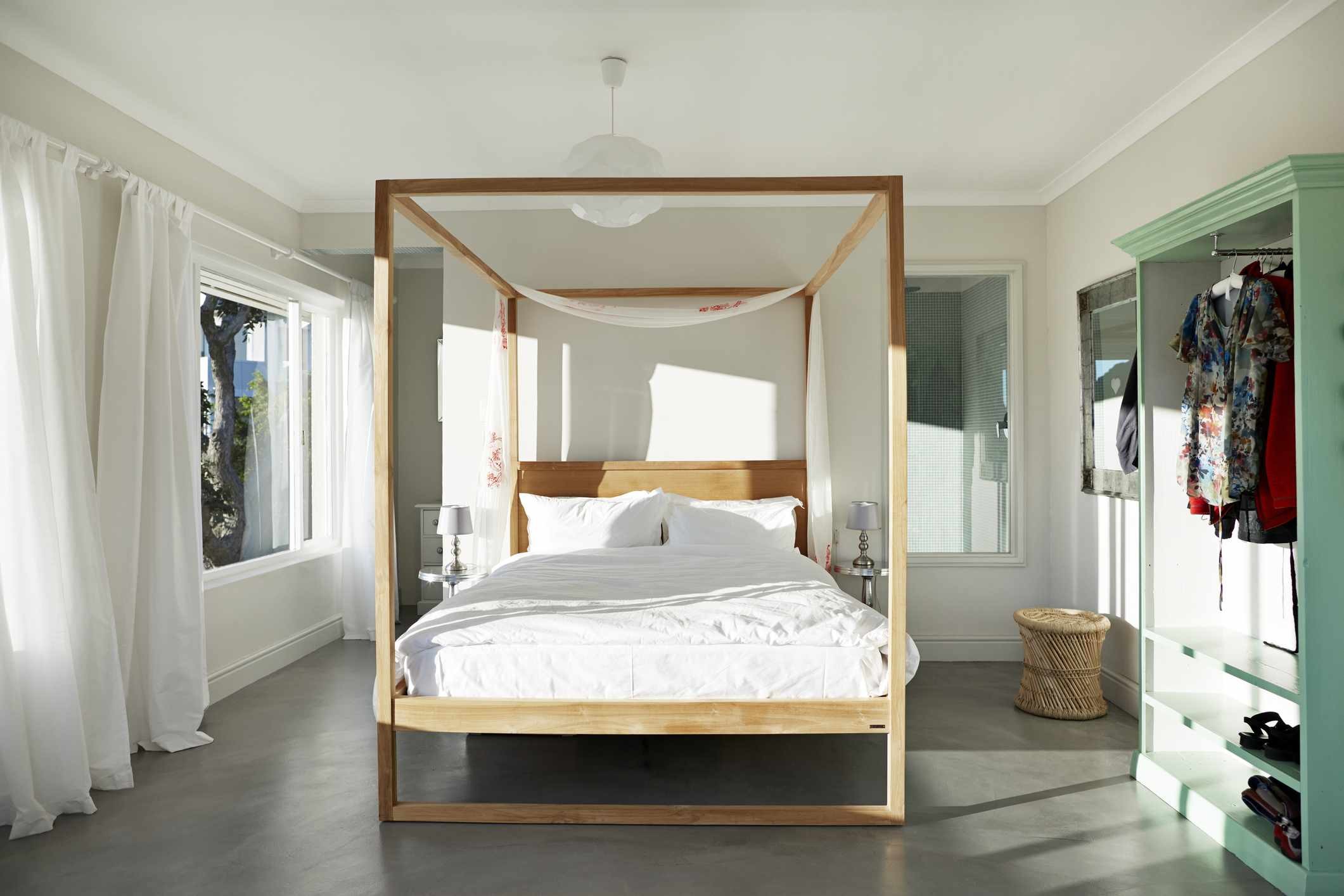
Wooden four-poster beds are another traditional element reappearing. Designers are leaning into wood for its permanence and warmth, a counterpoint to years of upholstered headboards. The key to modernizing these beds is streamlined bedding : avoid excessive pillows or ornate carvings. Instead, pair strong wood with tailored linens and layered textures.
4. Tailored Skirted Furnishings: Comfort and Concealment
Bed skirts and skirted furniture, once banished for their perceived fussiness, are back. The new approach emphasizes crisp pleats or clean straight skirts rather than gathered fabric. This provides a subtle layer of comfort and a hidden storage solution under the bed. The return signals a shift towards bedrooms that prioritize relaxation over rigid minimalism.
5. Traditional Millwork and Panelling: Adding Character
Modern homes often lack architectural trim or millwork, but designers are now reintroducing wall paneling to add character and interest. This isn’t about replicating Victorian excess; it’s about bringing back a sense of craftsmanship and depth.
Why This Trend Matters
The revival of traditional bedroom styles isn’t just aesthetic; it reflects a deeper cultural shift. After a period of austerity, people are rediscovering the value of layered, intentional spaces that feel personal and luxurious. This trend also speaks to a broader rejection of disposable trends in favor of timeless, well-crafted design.
The return of traditional elements signifies that bedrooms are once again becoming sanctuaries—spaces designed for comfort, intimacy, and a quiet escape from the outside world.