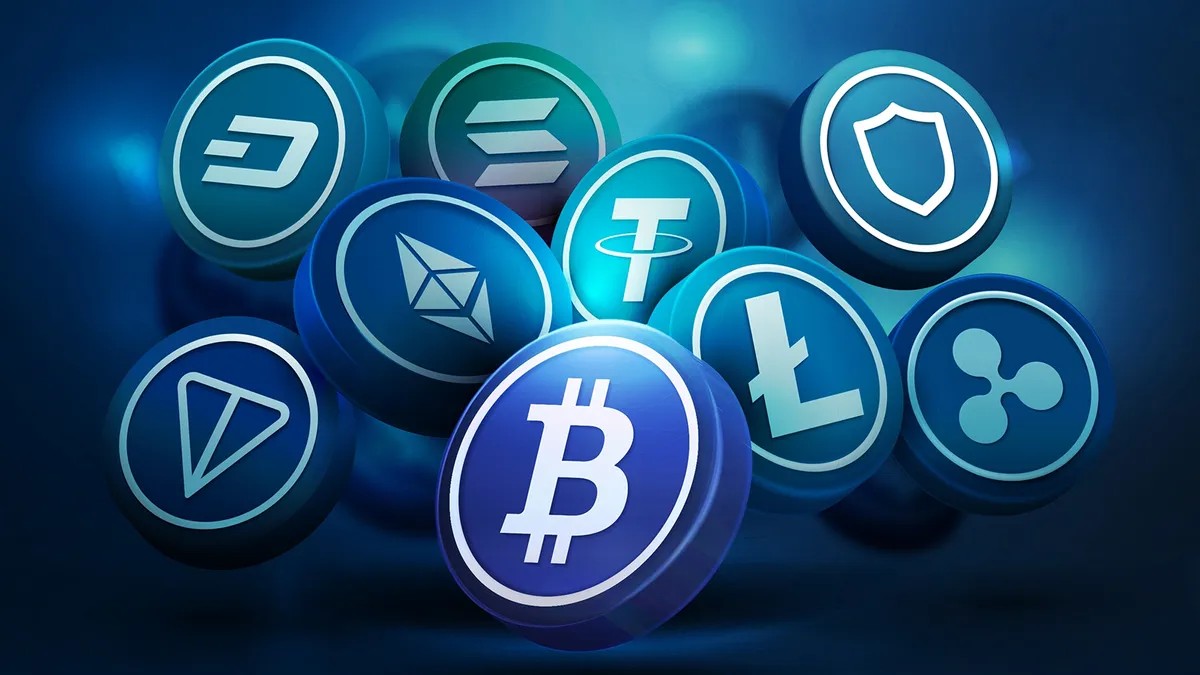
Cryptocurrencies are not a monolith. The digital asset space is diverse, with different categories designed for specific purposes. From simple digital money to complex financial tools, each type plays a unique role in the evolving blockchain ecosystem. Here’s a breakdown of 10 major categories, explaining how they function and what sets them apart.
Payment Cryptocurrencies: The Digital Cash
The most recognizable type, payment cryptocurrencies are designed to function as digital money for everyday transactions. Bitcoin is the prime example, operating on its own decentralized network using a “proof of work” system to secure transactions. These coins aim to replace or supplement traditional currencies like the U.S. dollar, especially for cross-border payments and online purchases. Some investors also see Bitcoin as a long-term store of value due to its limited supply.
Smart Contract Platforms: Building Decentralized Apps
Ethereum leads this category. Smart contract platforms allow developers to build decentralized applications (dApps) and decentralized finance (DeFi) systems directly on the blockchain. These networks use consensus mechanisms like “proof of stake” to validate transactions. Newer blockchains, like Solana, compete by offering faster transaction speeds, making them attractive for financial services and other high-demand applications.
Stablecoins: Crypto Without the Volatility
Stablecoins are designed to minimize price fluctuations. Unlike Bitcoin, which can swing wildly in value, these coins maintain a stable peg to traditional currencies like the U.S. dollar. Some are backed by real assets held by financial institutions, while others use algorithms to maintain price stability. Stablecoins are crucial for traders who want to move funds within the crypto market without converting back to fiat currency.
Utility Tokens: Accessing Blockchain Services
Utility tokens give holders access to specific services within a blockchain ecosystem. They function as the native currency for dApps and platforms, allowing users to pay for transactions, access features, or participate in governance decisions. Many were first distributed through initial coin offerings (ICOs) during the early days of crypto.
Security Tokens: Digital Ownership & Financial Rights
Security tokens represent ownership in real-world assets or investment contracts. These function like traditional financial products such as stocks or bonds, giving investors rights to profits or ownership stakes. In the United States, the Securities and Exchange Commission (SEC) regulates many of these tokens because they fall under existing securities laws. Investors should remember that investments carry risk, and past performance doesn’t guarantee future returns.
Other Categories
The crypto landscape extends beyond these core types:
- Meme Coins: Cryptocurrencies based on internet jokes or trends, often highly volatile and speculative.
- Governance Tokens: Used to vote on changes to blockchain protocols.
- Non-Fungible Tokens (NFTs): Unique digital assets representing ownership of items like art or collectibles.
- Privacy Coins: Designed to obscure transaction details, enhancing anonymity.
- Layer-2 Solutions: Networks built on top of existing blockchains to improve scalability.
The Future of Crypto Categories
The categorization of cryptocurrencies is still evolving. New categories will likely emerge as blockchain technology advances. Understanding these distinctions is vital for anyone looking to navigate the crypto market effectively. Whether you’re interested in digital payments, decentralized finance, or investing in real-world assets, the right category of cryptocurrency can make all the difference.