Raised garden beds offer advantages like easier gardening and flexibility for deep-rooted crops. However, filling them with traditional topsoil can quickly become expensive, especially for beds exceeding 24 inches in height. Fortunately, several organic materials can serve as cost-effective fillers while simultaneously improving soil quality over time.
Leveraging Natural Materials: Logs and Branches
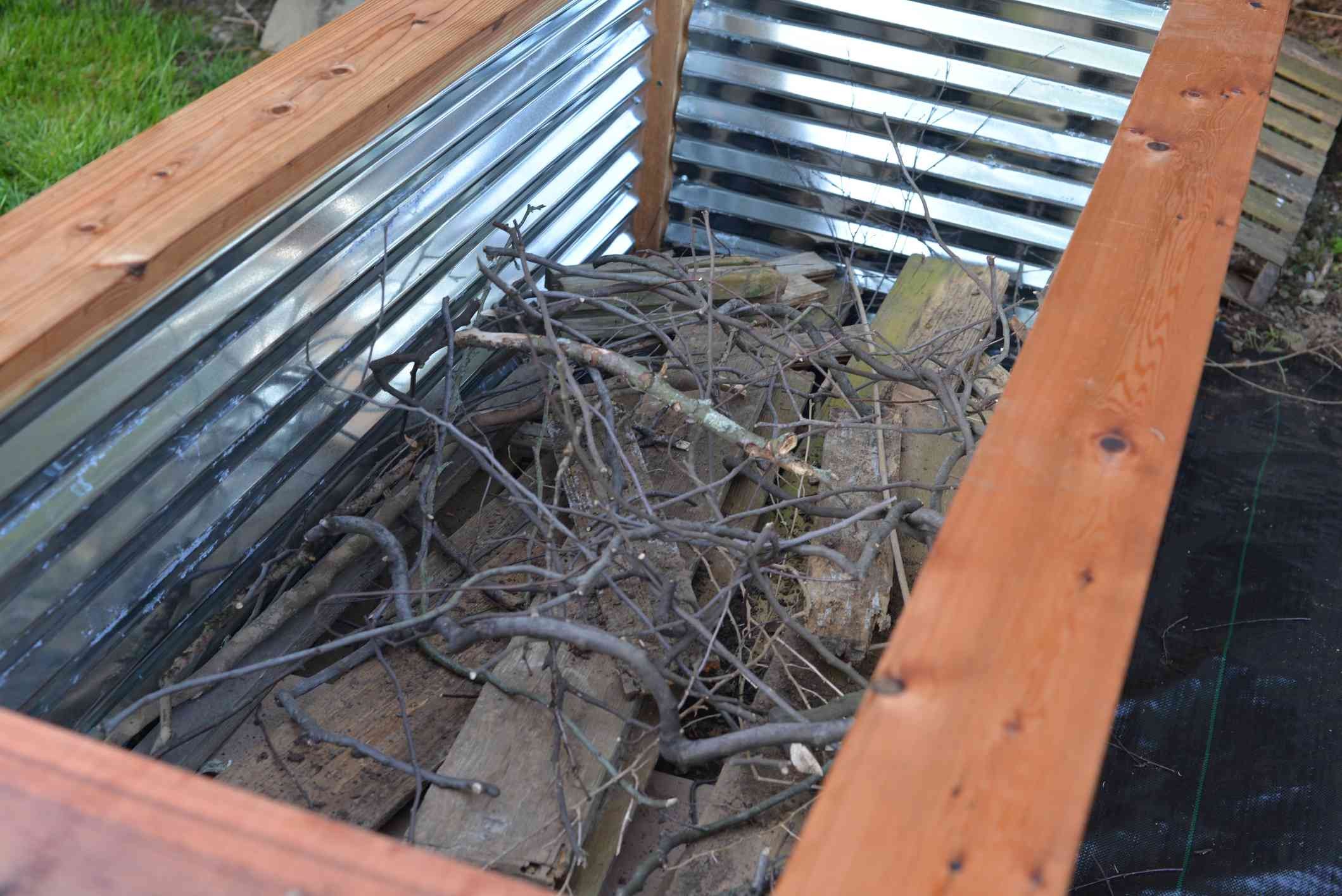
One of the most economical methods is to utilize logs or branches from downed trees. Deborah DeSalvo of Cold Brook Farm demonstrates this approach by filling the bottom layers of her raised beds with 2-3 foot sections of logs. This method requires caution : avoid using wood from sprouting trees like willow or sycamore, which may re-root. Logs decompose gradually, enriching the soil with nutrients but also causing the soil level to sink, necessitating annual top-ups. Branches, being smaller, decompose faster and offer better aeration, though they require pre-cutting for easier placement.
Wood Chips and Straw: Balancing Cost and Decomposition
Arborist wood chips, obtained from local tree services, provide another affordable option. These coarse, irregularly sized chips break down slower than shredded mulch, retaining moisture, moderating temperature, and releasing nutrients over time. The key is to inquire about the tree types in the batch to avoid unsuitable wood. Straw bales, while inexpensive and voluminous, decompose within a year, requiring more frequent replenishment. However, they excel at improving aeration and water retention, supporting beneficial soil microorganisms.
Leaf Mold and Compost: Nutrient-Rich Additions
Leaf mold—decaying leaves collected in fall—is packed with microbes and worms, accelerating the breakdown of other organic materials and adding vital nutrients. Simply allow leaves to decompose over winter before adding them to beds in spring. Compost is best used in conjunction with topsoil, enriching the upper layer. DeSalvo successfully mixed salvaged clay soil with compost, creating a stable growing medium. The need for annual top-ups diminishes over time as the lower layers decompose and enrich the upper layers.
Long-Term Benefits and Management
Using these organic fillers reduces reliance on costly topsoil and enhances soil health over the long term. While some materials decompose faster than others, regular top-ups with compost or additional topsoil ensure sustainable productivity. The initial effort of gathering these materials pays off in lower maintenance, nutrient-rich harvests, and a thriving garden ecosystem.