Repotting houseplants is essential for their growth, but even experienced plant owners can make mistakes that harm their plants. From choosing the wrong pot size to disturbing the root system, several factors determine whether a repotting session is a success or a setback. Here’s what to avoid this spring to ensure your plants thrive:
The Oversized Pot Trap
Choosing a pot that’s too large is a common error. While it seems counterintuitive, plants prefer a snug fit. A cavernous pot overwhelms the roots, leading to root rot from waterlogged soil and stunted growth. Instead of focusing on expansion, the plant wastes energy filling unnecessary space.
Experts recommend sizing up gradually – increasing the pot diameter by just one to two inches. This allows healthy root development without shocking the system.
Soil Mismatch: A Recipe for Failure
Not all potting mixes are created equal. Different plants have different soil needs. A cactus mix won’t sustain vegetables, and a moisture-retentive blend can drown succulents.
For most houseplants, a general potting mix works well, but vegetables require nutrient-rich blends to flourish. Always research your plant’s needs before repotting to ensure its roots get the right balance of drainage, aeration, and nutrients.
Timing Matters: Repot During Dormancy
Disturbing a plant’s root system during its active growth period can cause shock. The best time to repot is during dormancy, typically in winter when growth slows.
If repotting an active plant is unavoidable, handle the roots with extreme care. Gently loosen any tangled roots, but avoid aggressive manipulation that stresses the plant. Consult a local nursery to determine the optimal timing for your specific species.
Root Disturbance: Handle With Care
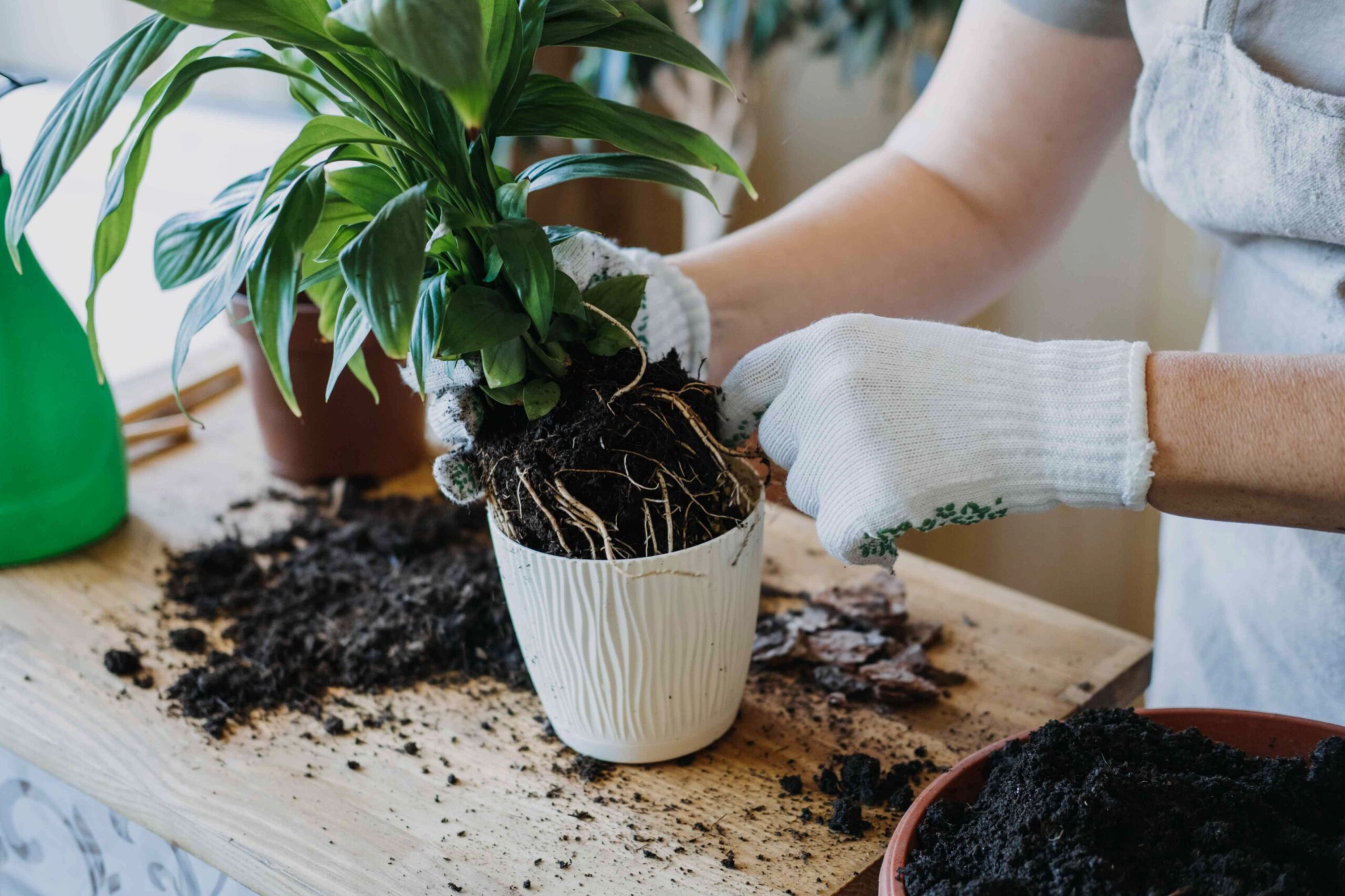
Aggressive repotting – yanking plants from their old pots and trimming roots haphazardly – is a major mistake. Unless the plant is severely root-bound, minimize root disturbance. Plants prefer to retain some familiar soil around their roots to ease the transition.
Gently tease out tangled roots, but avoid the urge to “groom” them like a haircut. Excessive handling causes trauma that can weaken the plant.
Soil Compaction: Let Roots Breathe
Overpacking soil suffocates roots by cutting off oxygen supply. While firm soil seems supportive, compacted earth hinders water drainage and creates anaerobic conditions.
Instead, let the soil remain loose and airy. This allows natural settling when watered, preventing both root rot and waterlogged soil. Avoid pressing down forcefully; trust the soil to find its own balance.
Repotting is about providing a new home, not a prison. Gentle handling and the right conditions ensure your plants thrive, not just survive.