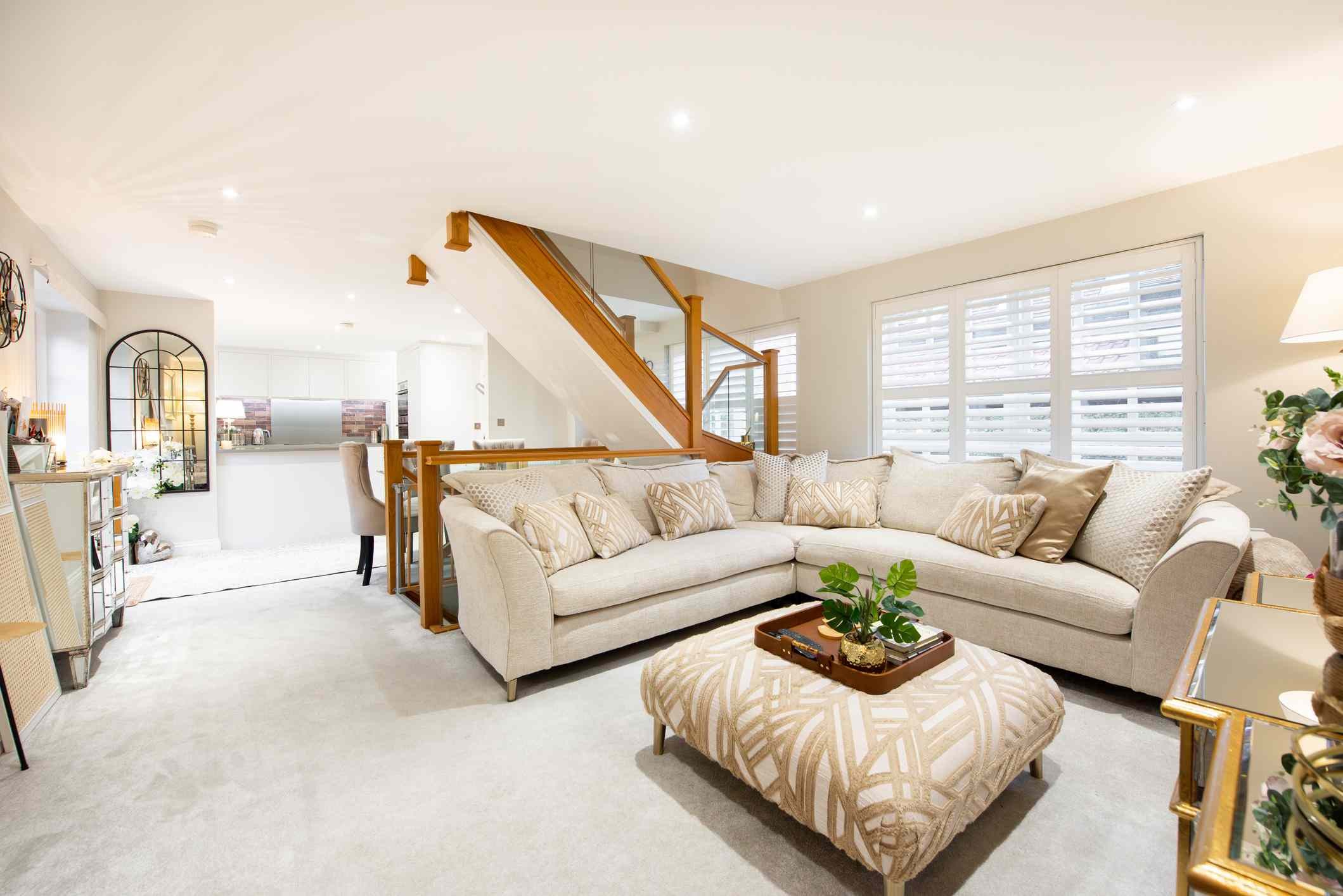
Interior design trends are constantly evolving, and flooring is no exception. While carpet offers comfort and sound absorption, certain colors have fallen out of favor with professionals. According to designer Chris Goddard, several once-popular carpet shades now make spaces feel dated or cheap. This guide outlines which colors to avoid and suggests alternatives for a more modern look.
The Decline of Gray Carpet
Gray carpet was once considered a versatile neutral, but its popularity has waned. Designers now associate it with bland, low-quality spaces. Goddard points out that unlike gray walls, which can create a cozy atmosphere, gray carpet often makes rooms feel cold and generic – reminiscent of an office break room.
For those seeking a neutral flooring option, sisal, jute, or tight-weave sand-colored wool rugs are recommended. These natural textures provide versatility without sacrificing style.
The Fall of Berber
Berber carpet, inspired by North African weaving traditions, rose to prominence in the 1980s and 1990s due to its affordability and approachable looped texture. However, Goddard argues that it now feels dated.
The looped construction tends to trap dust and dirt, and its often muted shades make it difficult to conceal grime. The practicality that once made it popular is now a drawback in modern design.
Avoiding Large Graphic Prints
Bold, patterned carpets were fashionable in the 1950s and ’60s, but Goddard advises against reviving them. Large graphic prints can overwhelm a space, making it feel like a movie theater or a cheap hotel.
These patterns are also challenging to pair with furniture and limit design experimentation. The dominant floor covering leaves little room for other aesthetic choices.
Why Beige Is No Longer a Safe Bet
Beige, like gray, was once seen as a foolproof neutral. However, it now evokes a dated 1980s aesthetic and quickly shows dirt. Goddard notes that light neutrals like beige lose their appeal after weeks of wear and tear.
In an era of customization, beige can feel like a design surrender, lacking personality and expression.
The Nuance of Blue and Green
Blue and green carpets, particularly shades like avocado green, emerald, navy, and turquoise, were popular from the 1960s to the 1980s. While nostalgic, Goddard suggests that incorporating them requires intention.
Unlike other outdated colors, blue and green can work if done thoughtfully; but they are rarely seen in modern homes.
Conclusion: Choosing carpet color requires careful consideration. Avoiding outdated shades like gray, Berber, large prints, and beige can prevent a space from feeling dated. While blue and green can be revived with intention, designers suggest opting for natural textures or more modern neutrals for a timeless look.